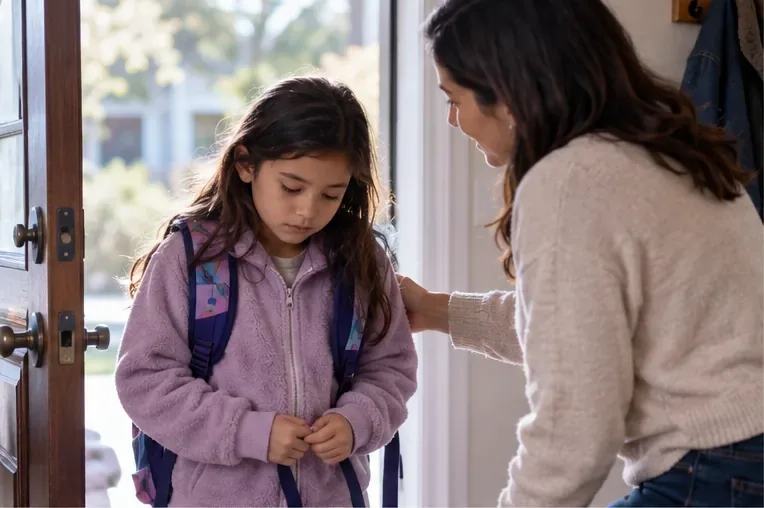
How to Teach Chores Without Redoing Every Task for Your Child

Teach kids to do chores with fewer reminders: set a clear finish line, model one task, step back, and correct only what is unsafe or unfinished.
There are some things you should not do with infants when it comes to child care. Simple things like hugging, kissing, not changing diapers ... can also harm your baby.
Nothing is as happy as after a successful run, you take your baby from the hand of the nurse. After that, you must always pay attention and worry about everything that happens to your baby for the healthiest and most peaceful baby. Here are 6 things you shouldn't do with infants to get the best protection.
During the first few weeks of life, if exposed to bacteria, your baby can experience some serious problems. When the hands and mouth of an adult touch the baby's skin, it can cause undesirable conditions because the child's immune system is not yet able to fight off the pathogens.
Therefore, you should not let strangers kiss babies, wash your hands before handling babies and should avoid direct contact with babies when sick. Children should not be taken to crowded places or places with high risk of disease to best protect their baby's development.
You may need a lot of time to care and care for your baby, but that does not mean you have to change all the living habits of everyone in the house such as closing all windows and curtains to help your baby sleep better. asking people to keep quiet, turn off the television, listen to music while the baby is sleeping.
Let your baby get used to all family activities. You should not worry too much about the noises so that children can easily get acquainted and accept them.

Wet and dirty diapers can easily irritate a baby's skin and cause diaper rash. Infants excrete and urinate more often than babies 6 months old. You should check your baby's diaper regularly to make sure your baby is not uncomfortable or fussy while sleeping. Babies need to be changed diapers often, to make sure they are most comfortable.
When the baby is just born, the baby has instinct to find breasts and breastfeed. At this point, breast milk is the best food for babies. Pacifiers can disturb your baby's instinct to breastfeed.
When you hold the pacifier continuously for many hours, your baby can affect gums and tooth development. In addition, if your baby is dependent on the nipple, when he does not have a nipple, he or she may fussy or like a pacifier over breastfeeding.
Of course, not all mothers can breastfeed their babies. When your baby needs a bottle, follow your doctor's instructions and disinfect the equipment with hot water before breastfeeding.
Many parents are afraid that babies are cold, so they wear a lot of clothes and wrap a towel. This is not necessary, because if not careful, it can lead to fever or dehydration (due to excessive sweating). When it is cold, you should dress your baby in layers instead of thick clothes to easily remove or wear more to suit the ambient temperature.
Whenever your baby has a health problem, be sure to bring your baby to the clinic right away. Always remember and plan appointments with your doctor. Doctors are experts who will answer all your questions and concerns when you first become a mother.
Teach kids to do chores with fewer reminders: set a clear finish line, model one task, step back, and correct only what is unsafe or unfinished.
Learn why toilet-trained children may start having pee or poop accidents again, what patterns to track, how to respond calmly, and when to call the pediatrician.
A child may repeat a reassurance question to process information, seek connection, or manage worry. Learn how to respond and when persistent anxiety needs support.
Learn how to set screen-time boundaries with predictable routines, warnings, calm follow-through, and better transitions—without turning every device handoff into a fight.
Teach children to handle losing without shame or explosive anger by validating feelings, setting behavior limits, modeling recovery, and practicing at the right difficulty.
A calm, practical plan for after-school meltdowns: reduce overload, keep limits clear, track patterns, coordinate with school, and know when to seek help.
Learn how to respond when a child feels unwanted, ask supportive questions, recognize bullying or ongoing distress, and know when to seek extra help.
Learn how to set up a shared bedroom for siblings with different bedtimes, from planning around age-based sleep needs to creating separate sleep spaces and quiet routines.
Compare full-day, gradual, and temporary at-home return plans, plus health checks and school supports that can help a child reenter safely.
Learn when a child can try to solve a friendship problem, when adults should step in, and how to tell whether support is helping or needs to change.