How to Teach Chores Without Redoing Every Task for Your Child
Teach kids to do chores with fewer reminders: set a clear finish line, model one task, step back, and correct only what is unsafe or unfinished.
A child can usually try a small, one-time friendship disagreement first when both children seem safe, have roughly equal say, and can talk without fear. An adult should step in when there is harm or a credible threat, a repeated pattern, a power imbalance, a major effect on the child, or the child asks for help. Between those points, coaching often works better than either taking over or telling the child to handle everything alone.
The aim is not to make every friendship last. A useful outcome is that the child feels safe, can use a boundary or ask for support, and is not left carrying a problem that adults are responsible for addressing. Sometimes that leads to a repair; sometimes the child needs distance from the friendship.
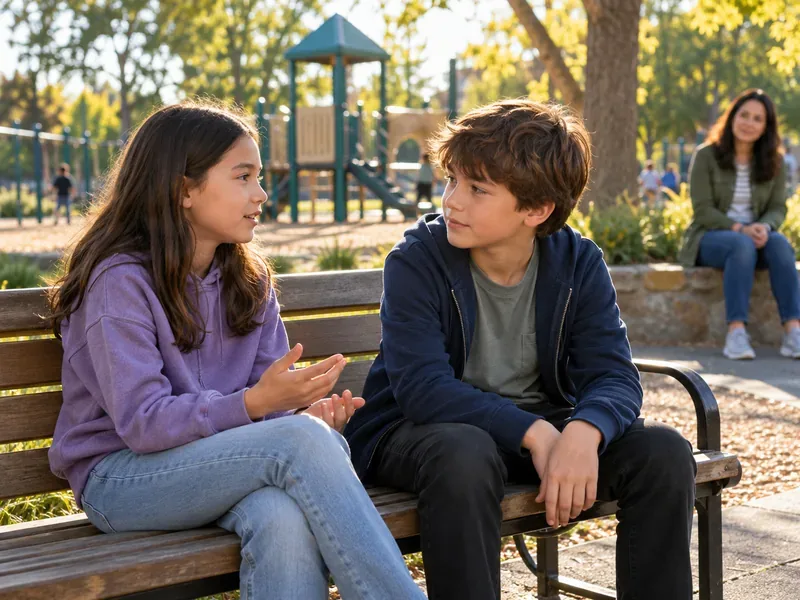
Children disagree about rules, turns, jokes, messages, or who gets included. A disagreement is more suitable for child-led problem-solving when neither child is frightened or being controlled and both can say what they want. The adult can listen first, then help the child name the issue and practice a possible next step.
Bullying has a different pattern. StopBullying.gov describes bullying as unwanted aggressive behavior involving a real or perceived power imbalance, repeated or with the potential to repeat. Power can come from popularity, access to embarrassing information, group numbers, or physical strength. Repeated exclusion, rumors, threats, harassment, or taking someone’s belongings can be part of that pattern. A single argument is not automatically bullying, but an adult does not have to wait for a formal label before making a child safe.
| Situation | What the child may try | Adult role |
|---|---|---|
| One-time, low-stakes disagreement; both children feel safe | Say what happened, ask for a turn, suggest a compromise, or take a short break. | Listen, help rehearse words, and check later without deciding who is the “bad friend.” |
| Child is upset, stuck, younger, or unsure what to say | Choose one small goal, such as asking to join or telling a friend “I didn’t like that.” | Coach, role-play, or help arrange a calm conversation if the child wants it. |
| Repeated behavior, group pressure, fear, threats, or a power imbalance | Tell a trusted adult and share what would help them feel safer. | Intervene, document relevant incidents, and coordinate with school or program staff. |
| Immediate danger, injury, coercion, or serious emotional distress | Move to a safe adult or place; the child does not need to negotiate first. | Act promptly to protect the child and seek appropriate emergency or professional support. |
These are decision aids, not rigid age rules. A preschooler may need adults close by to help with turn-taking, while an older child may want privacy and a chance to try a script first. A child with a disability, communication difference, trauma history, or difficulty regulating emotions may need more active support even when the incident looks minor to an adult. Ask what help feels useful while keeping responsibility for safety with adults.
Child-led problem-solving fits best when the event is limited, both children can speak freely, and there is no reason to expect retaliation. For example, if two classmates disagree once about whose turn it is to choose a game, a child might say, “I wanted a turn too. Can we switch after this round?” If that feels too hard, the child can step away and ask an adult for coaching.
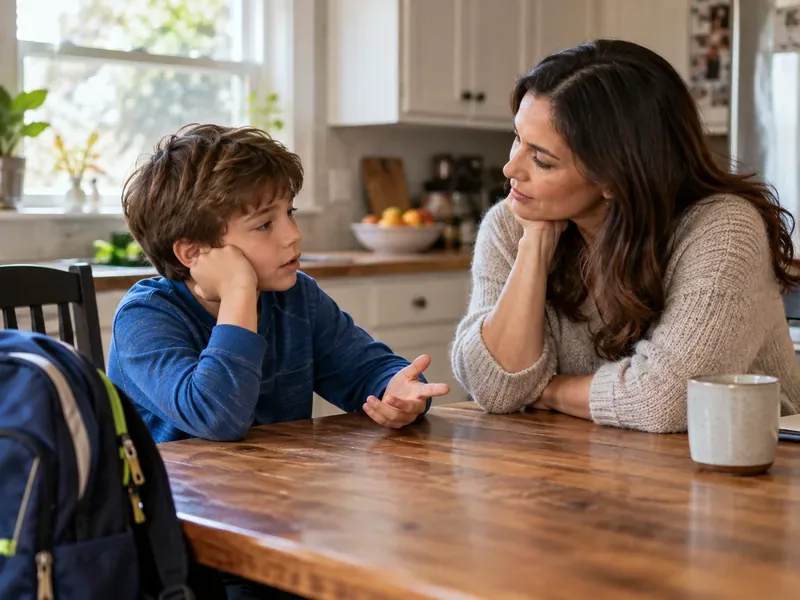
Try a calm conversation after the child has settled. Ask open questions such as “What happened from your point of view?”, “What do you want to happen next?”, and “Would you like me to listen, practice with you, or talk with someone?” Avoid interrogating the child or rushing to confront the other family before you understand the situation. A small rehearsal can help: state the behavior, say how it felt, and make one clear request. The child can decide whether to use those words, use a different approach, or ask an adult to join.
Giving a child room to try does not mean withholding support. Agree on a check-in: “Try asking tomorrow if you feel okay doing that, and tell me how it went.” If the child says no, is scared, or does not want further contact, respect that information and reassess rather than insisting on a face-to-face conversation.
Intervene directly if someone is being hit, threatened, pressured to do something unsafe, targeted with sexualized or discriminatory harassment, or made afraid to attend school or an activity. Stop the immediate behavior, separate children if needed, and involve the responsible adult at school, a club, or another setting. Online incidents also count: save relevant messages or screenshots, use platform safety tools where appropriate, and contact the school when the behavior affects school relationships or safety.
Step in when incidents repeat, one child or group has more social power, or the child cannot safely stand up for themselves. Do not make the child responsible for stopping bullying by being tougher, ignoring it, or confronting the group alone. StopBullying.gov advises adults to listen, work with the child and school on a safety plan, follow up, and avoid telling a child to ignore bullying or physically fight back. It also cautions that peer mediation is not suitable for bullying because the situation is not an equal-power conflict with shared blame.
Ask for the child’s view about what would help: a trusted staff contact, supervision at a particular time, a safe place to go, a change in group arrangements, or a check-in after the school responds. If concerns continue, request a meeting with the teacher, counselor, or program leader and ask how the adults will monitor whether the behavior has stopped. The American Academy of Pediatrics’ HealthyChildren guidance recommends talking with a teacher when peer rejection seems to be a pattern and considering the pediatrician when needed.
After a conversation or school plan, look for observable changes over time: the child can name a trusted adult, feels safer at the relevant place or online, the unwanted behavior stops, and participation in school or activities does not keep shrinking. A repaired friendship may be welcome, but it is not required. A child may choose another friend or a respectful amount of distance.
Change the plan if the behavior continues, the child becomes more anxious or withdrawn, starts avoiding school or activities, has unexplained injuries, sleep or eating changes, or loses interest in friendships that used to matter. Those signs can have other causes and do not prove bullying; the American Academy of Pediatrics lists them as possible warning signs, so treat them as reasons for a calm conversation and, if persistent or serious, additional support. If the child mentions self-harm or suicide, take it seriously and get immediate help. In the United States, call or text 988 for crisis support; if there is immediate physical danger, call 911. Elsewhere, contact the local crisis or emergency service.
Current guidance reviewed for this article includes StopBullying.gov’s support page, last reviewed May 19, 2026, its description of bullying, and American Academy of Pediatrics material on peer challenges and warning signs. These sources offer general guidance; a school’s policies and a child’s developmental or safety needs may call for a more specific plan.
Teach kids to do chores with fewer reminders: set a clear finish line, model one task, step back, and correct only what is unsafe or unfinished.
Learn why toilet-trained children may start having pee or poop accidents again, what patterns to track, how to respond calmly, and when to call the pediatrician.
A child may repeat a reassurance question to process information, seek connection, or manage worry. Learn how to respond and when persistent anxiety needs support.
Learn how to set screen-time boundaries with predictable routines, warnings, calm follow-through, and better transitions—without turning every device handoff into a fight.
Teach children to handle losing without shame or explosive anger by validating feelings, setting behavior limits, modeling recovery, and practicing at the right difficulty.
A calm, practical plan for after-school meltdowns: reduce overload, keep limits clear, track patterns, coordinate with school, and know when to seek help.
Learn how to respond when a child feels unwanted, ask supportive questions, recognize bullying or ongoing distress, and know when to seek extra help.
Learn how to set up a shared bedroom for siblings with different bedtimes, from planning around age-based sleep needs to creating separate sleep spaces and quiet routines.
Compare full-day, gradual, and temporary at-home return plans, plus health checks and school supports that can help a child reenter safely.
Learn when a child can try to solve a friendship problem, when adults should step in, and how to tell whether support is helping or needs to change.