Home
» Parenting
»
When a Child Says “Nobody Likes Me”: How Parents Can Respond
When a Child Says “Nobody Likes Me”: How Parents Can Respond
When a child says, “Nobody likes me,” a parent may want to reassure them right away: “That’s not true—you have lots of friends.” The intention is loving, but a child who feels rejected may hear that their experience is being dismissed. A more helpful first goal is to understand what happened and show the child that they do not have to handle it alone.
The phrase does not, by itself, prove that a child is being bullied, has a mental health condition, or literally has no friends. It can describe a painful moment, a conflict, a pattern of exclusion, or a deeper struggle. The quality of the response is measured less by whether the child feels better instantly and more by whether they feel heard, share enough context to guide a next step, and know they can return to you.
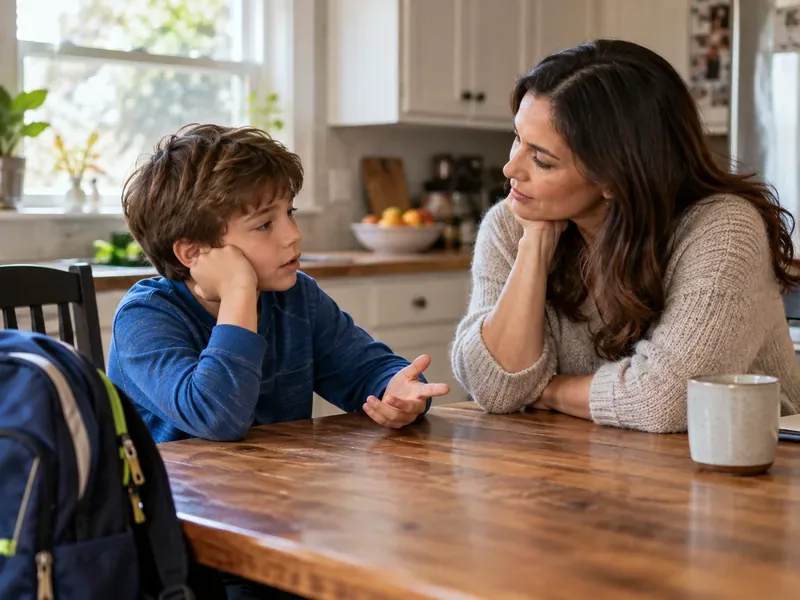
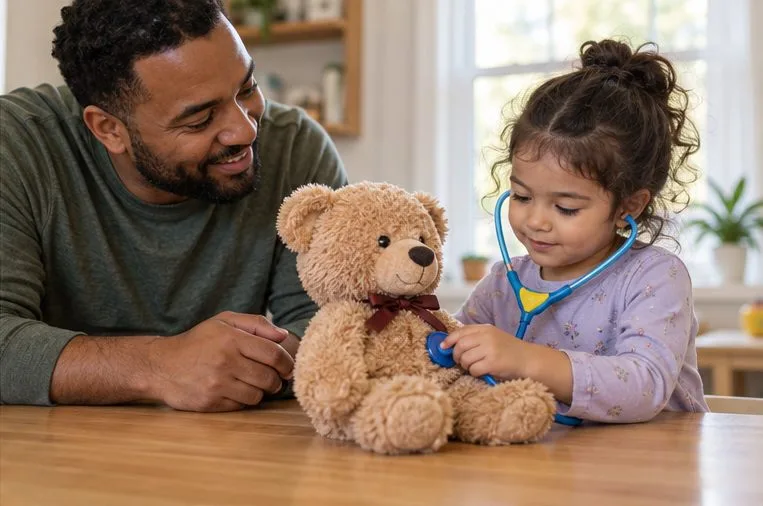
A parent listens while a child talks at the kitchen table, giving them time to explain what has been difficult.
What should you say in the moment?
Pause, get physically present if the child is comfortable with that, and use a calm voice. You might say, “That sounds really lonely. I’m glad you told me,” or “I can hear how much that hurt. Can you tell me what happened?” These responses acknowledge the feeling without deciding yet whether the child’s conclusion is literally true.
Then listen without interrupting to correct details, solve the problem, or criticize the other children. Reflect back the meaning you heard: “You felt left out when the others made a plan and didn’t invite you.” If you misunderstood, let your child correct you. The American Academy of Pediatrics recommends listening without judgment and making room for a child to explain their feelings; this can help a parent understand what the child needs before offering advice.
Give the child some choice about what happens next: “Would you like me just to listen for a little while, or would it help to think together about what to do tomorrow?” A younger child may find it easier to talk while drawing, playing, walking, or sitting side by side. A teen may prefer a private conversation in the car or during a low-pressure activity. If they are not ready to explain, try: “You don’t have to tell me everything right now. I’m here, and we can come back to it.”
What questions help you understand the situation?
Ask a few open questions, one at a time. Avoid turning the conversation into an investigation or demanding names and details before the child is ready. Useful prompts include:
“What happened today that made you feel this way?”
“When do you feel most left out—at lunch, during recess, in a group chat, or somewhere else?”
“Has this happened more than once, or was there a specific argument today?”
“What would you like to be different tomorrow?”
“Do you want me to help, or would you rather we think through options together?”
Try to learn whether this sounds like a one-time disagreement, a friendship changing, repeated exclusion, or behavior that makes the child feel unsafe. Bullying involves more than a single disagreement: official U.S. guidance describes it as unwanted aggressive behavior among school-aged children that involves a real or perceived power imbalance, and it may repeat or have the potential to repeat. Repeated humiliation, threats, targeted exclusion, or online harassment deserve attention. At the same time, not every friendship conflict is bullying; ask what happened before choosing a response.
How can you support your child without taking over?
Start by asking what would make the child feel safer or more supported. They may want help practicing what to say, identifying a trusted adult at school, or choosing an activity where they can connect with peers who share an interest. Offer manageable options instead of telling them to “just make friends” or insisting that they confront someone. You can rehearse a short response together, but do not pressure the child to use it if they feel unsafe.
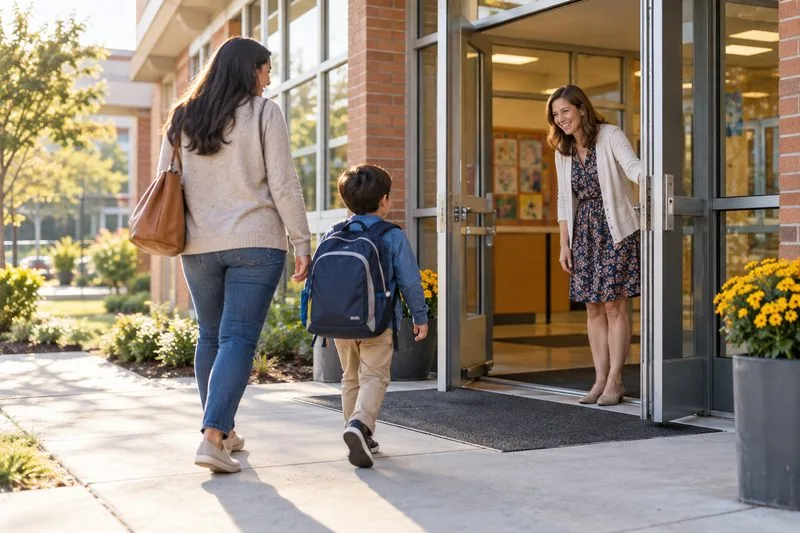
If there is a repeated pattern at school, contact the teacher, school counselor, or another appropriate staff member. Share specific observations—dates, locations, messages, or changes in behavior—rather than conclusions you cannot confirm. Ask how the school will help keep the child safe and how you will check back. StopBullying.gov advises adults to listen, avoid blaming the child, work with the school or organization, and follow up; it also cautions parents against impulsively contacting the other child’s parents because it can make the situation worse.
Support connection without making popularity the goal. A dependable friendship, a welcoming club, time with a relative or neighbor, or a shared-interest group may be more meaningful than a large circle. Avoid promising that everyone will like the child or that the situation will be fixed immediately. You can promise to keep listening and to work on the next step together.
How can you tell whether your response is helping?
A useful early sign is not necessarily a smile or a quick change in mood. The child may be more willing to explain what happened, accept comfort, name a trusted adult, or help choose a next step. In the following days, notice whether the child returns to usual activities and whether the distress eases, stays the same, or grows. Check in gently: “How did lunch go today?” is often easier to answer than “Are you popular now?”
If your child shuts down, try again at a calmer time and in a less formal setting. Do not force a disclosure. You can say, “I may not have responded perfectly earlier. I want to understand, and I’ll listen.” If the child says they only want you to listen, honor that when it is safe to do so, then ask later whether they want help planning.
When should you bring in another adult?
Talk with your child’s pediatrician or a qualified mental health professional if the distress persists, repeatedly interferes with school or everyday life, or comes with changes such as withdrawing from friends, losing interest in activities, ongoing sadness or irritability, major changes in sleep or eating, falling school performance, or frequent physical complaints. These signs can have many explanations and do not establish a diagnosis. The AAP recommends discussing signs of depression that last more than two weeks with a child’s doctor; you do not need to wait two weeks if your concern is significant or the child’s safety is in question.
If the child talks about wanting to die, self-harm, or being a burden, take the words seriously and ask calmly and directly, “Are you thinking about hurting yourself or suicide?” NIMH guidance says asking directly does not increase suicidal thoughts or behavior and can open a conversation. Listen without judgment and get help. If the child may act soon or is in immediate danger, stay with them, reduce access to medicines, weapons, or other dangerous items if you can do so safely, and contact emergency services. In the United States, call or text 988 for crisis support; call 911 or go to an emergency department for immediate danger. Outside the U.S., use the local crisis line or emergency number.
What if the words come up often?
Repeated statements are a reason to keep checking in, not a reason to label the child or assume a single cause. Ask whether something has changed in friendships, school, family life, online interactions, or how the child feels about themselves. Keep communication open with school staff when relevant, and consult the pediatrician if the pattern continues or affects daily functioning. A supportive conversation can help you notice what is going on, but it cannot replace a professional assessment when a child needs one.
The most useful response is steady rather than perfect: acknowledge the hurt, listen for the story behind the words, agree on a safe next step, and follow up. A child may still feel lonely after one conversation. What matters is that they know their feelings are taken seriously and that caring adults will stay involved.