How to Teach Chores Without Redoing Every Task for Your Child
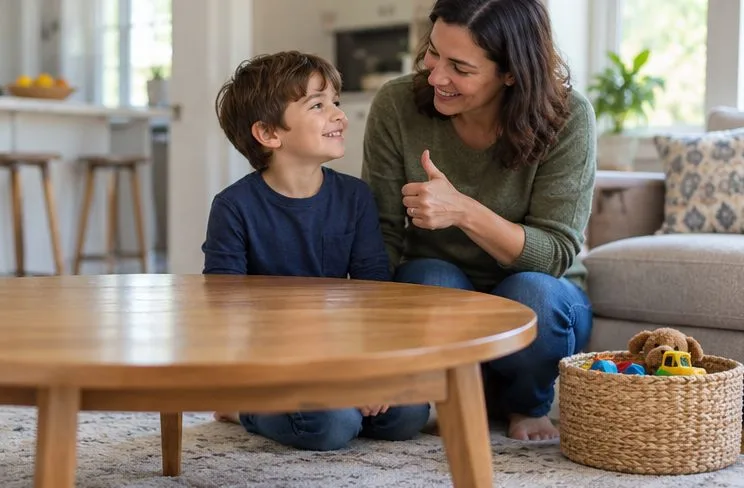
Teach kids to do chores with fewer reminders: set a clear finish line, model one task, step back, and correct only what is unsafe or unfinished.
There is no denying benefits of a pacifier, such as the prevention of sudden death (SIDS). However, you should not use it for too long because it will cause your baby to have some developmental problems.
For some parents, a pacifier is an indispensable useful tool. They make it easier for your baby to fall asleep or even soothe a fussy baby. However, no matter how good this product, you should not overdo it and let your child use it for too long.
The American Academy of Pediatric Dentistry (AAPD) recommends that children stop using pacifiers by age 3 or even earlier. Prolonged use of a pacifier can cause facial developmental changes to your baby. Basically, if you continue to use a pacifier after 3 years old, this habit can affect your child's oral health.
As mentioned above, when parents let their child use a pacifier if the baby is over 3 years old, the child will develop certain problems, such as having trouble biting. Therefore, the child may not be able to perform this behavior like a normal child.
In addition, the bonding of teeth or bones is not able to develop completely, leading to an unsightly crooked teeth. On the other hand, the use of a pacifier can also increase the risk of middle ear infections . The baby's continuous sucking action causes the hearing tubes to abnormally open, allowing discharge from the throat to seep into the middle ear. This, inadvertently, makes inflammation possible.
Forcing your baby to stop using a reduced nipple can be difficult in the beginning, so you need to be persistent. Please refer to and follow some suggestions below:

To break a baby's habit of using pacifiers, experts say that stopping the use of pacifiers early is the most effective strategy. Infants have strong ways of protesting this. Therefore, letting your baby move away from them before he or she begins to learn how to express dissatisfaction will make the process easier.
Apply a little lemon juice on the surface of the pacifier before giving it to your child. When the nipple has a strange taste compared to normal, the baby will not enjoy and gradually get used to not using a pacifier.
No matter how fussy or nagging, parents should show a tough attitude as well as be patient with the baby. You can repeat the word "No" over and over so your child will gradually realize that it is time for your child to no longer need a pacifier.
Also, don't do this too suddenly, but do it slowly, step by step. Separating a pacifier from your baby at a set time, such as when your baby is playing or at bedtime, is also a suggestion for you.

This is a fairly effective measure that parents should try. Comfort your baby with a teddy bear or some interesting toy every time you ask for a pacifier. Gradually, your baby will be able to forget about this pacifier habit.
When you first stop giving your baby a pacifier, you may need to comfort your baby more. You can comfort your baby with ways like rocking, singing along to music or a gentle massage to reduce discomfort and calm him down without a pacifier. For babies over 2 years old, giving them a soft blanket or stuffed animal can be comforting.
On the other hand, keep an eye out for other family members that it's time to stop using pacifiers. The reason is that you will know who will be the one to indulge in your will and ask for a fake from that person.

Some mothers have had success using the method of explanation with their toddler. You can tell your baby that your baby does not need a pacifier anymore and that other little friends out there need this nipple to stop crying and sleep better. After that, encourage your child to put the fake in a small box to give. Finally, parents should praise their children a lot or even reward them to help them feel happy about this.
Teach kids to do chores with fewer reminders: set a clear finish line, model one task, step back, and correct only what is unsafe or unfinished.
Learn why toilet-trained children may start having pee or poop accidents again, what patterns to track, how to respond calmly, and when to call the pediatrician.
A child may repeat a reassurance question to process information, seek connection, or manage worry. Learn how to respond and when persistent anxiety needs support.
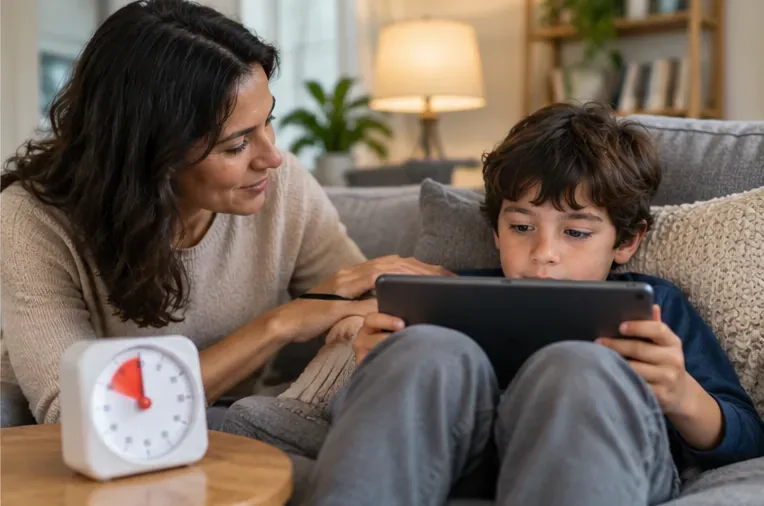
Learn how to set screen-time boundaries with predictable routines, warnings, calm follow-through, and better transitions—without turning every device handoff into a fight.
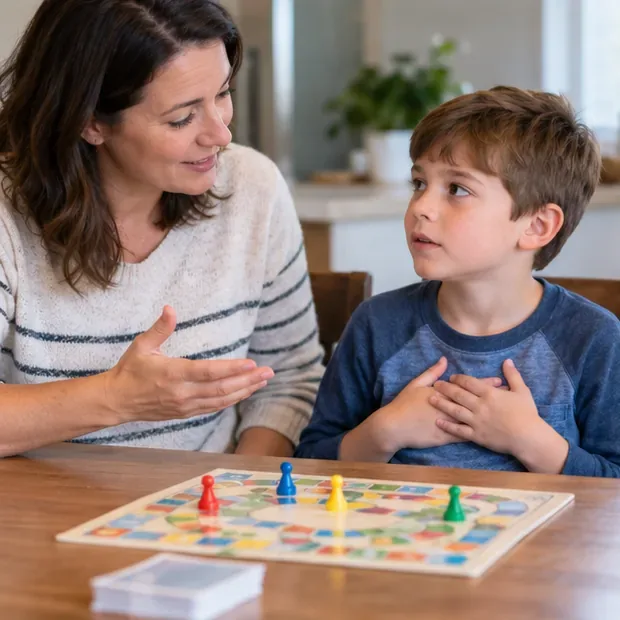
Teach children to handle losing without shame or explosive anger by validating feelings, setting behavior limits, modeling recovery, and practicing at the right difficulty.
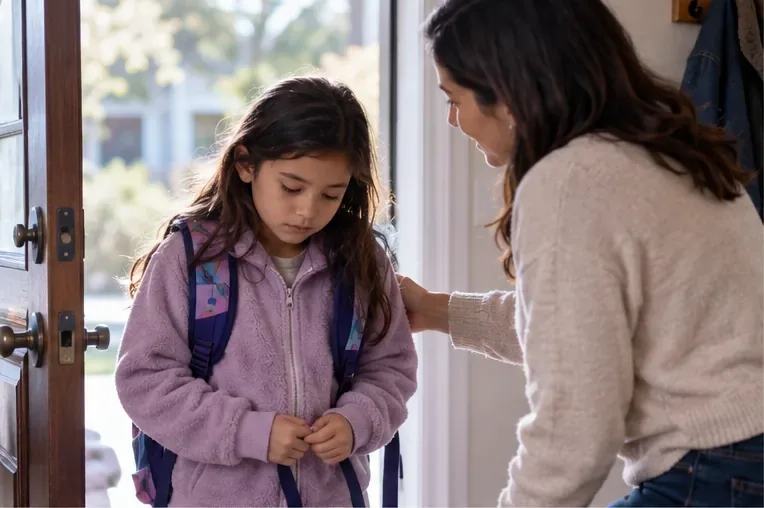
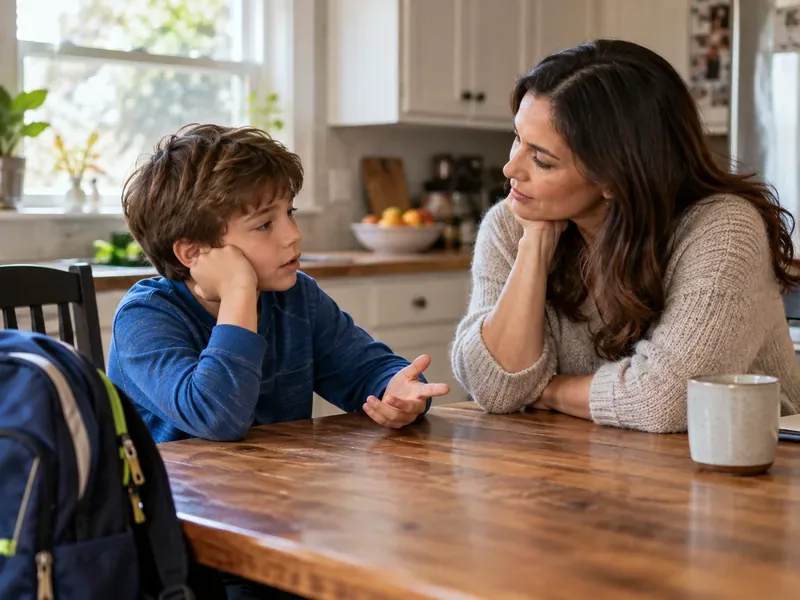
A calm, practical plan for after-school meltdowns: reduce overload, keep limits clear, track patterns, coordinate with school, and know when to seek help.
Learn how to respond when a child feels unwanted, ask supportive questions, recognize bullying or ongoing distress, and know when to seek extra help.
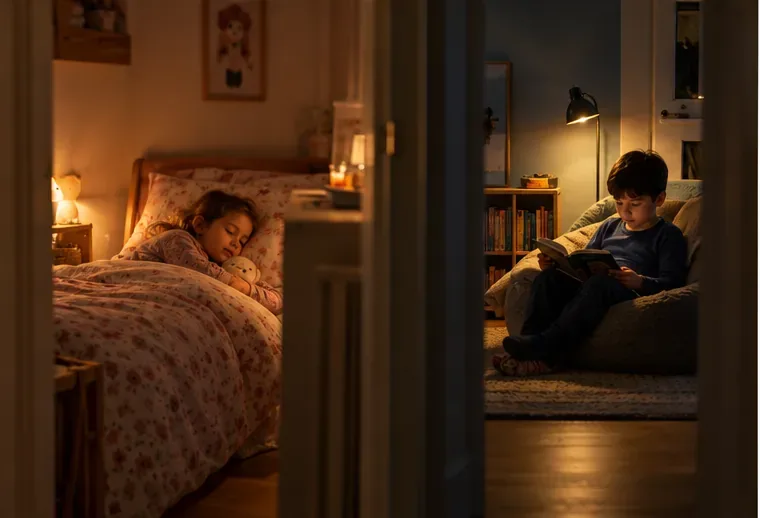
Learn how to set up a shared bedroom for siblings with different bedtimes, from planning around age-based sleep needs to creating separate sleep spaces and quiet routines.
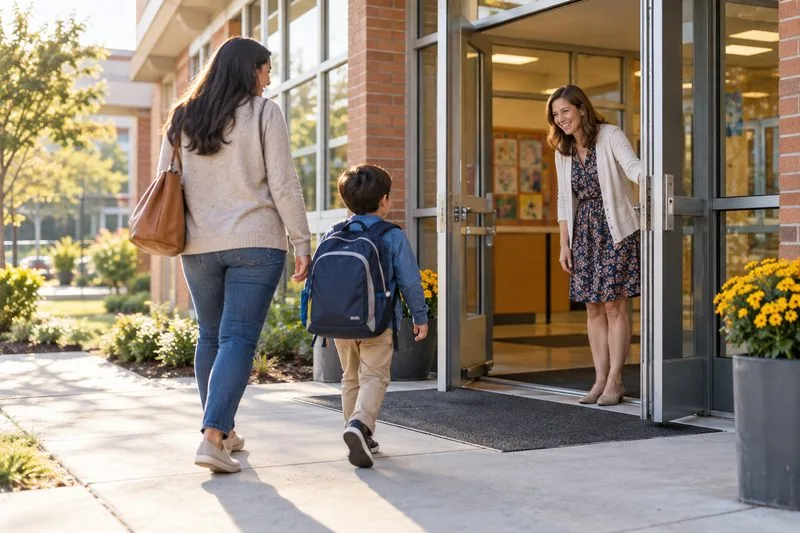
Compare full-day, gradual, and temporary at-home return plans, plus health checks and school supports that can help a child reenter safely.
Learn when a child can try to solve a friendship problem, when adults should step in, and how to tell whether support is helping or needs to change.