How to Teach Chores Without Redoing Every Task for Your Child

Teach kids to do chores with fewer reminders: set a clear finish line, model one task, step back, and correct only what is unsafe or unfinished.
Distinguishing between typhoid fever and dengue fever, you can clearly identify these two diseases so that you can have the right direction to care and treat your child properly.
While both dengue and typhoid fever initially show up as a high fever, the two diseases are completely different. You need to equip yourself with the basic knowledge to distinguish typhoid fever and dengue fever when needed. Being proactive in recognizing the disease will help you cope more effectively.

Scarlet fever is an infectious disease caused by viruses, mainly respiratory viruses such as measles virus, rubella virus …. Scarlet fever can be spread by coming into contact with the discharge from the nose or throat of an infected person before the symptoms appear. The incubation period is usually 7 days.
After the incubation period, the child showed a high fever of 38–40 ° C.
Runny nose, swollen throat, neck lymph nodes, watery eyes, and mild diarrhea
Within 12–24 hours after a fever, erythema will appear depending on the nature, characteristics of the virus and the condition of each baby.
Let your child rest in bed until the fever is gone, it is necessary to reduce the fever properly if the fever is higher than 38 ° C by giving paracetamol according to doctor's instructions.
Add enough (filtered water, fruit juice)
Cough medicine of herbal origin can be given to your baby to ease the inflammation and sore throat
Feed your baby soft, easy-to-digest foods such as soup, dilute porridge, milk ...
Clean your baby's nose
Hygiene for the skin, body fully, avoid wind, hydrophobia by covering the blanket, not cleaning the baby's body.
You can find out: Child has a rash after a fever: When should parents be worried?

Dengue fever is an infectious disease caused by dengue virus. The cause of this disease transmission is female mosquitoes, mostly Aedes aegypti and a few remaining mosquitoes of the group Aedes albopictus. This mosquito species is also the culprit transmitted disease chikungunya fever , yellow fever and infectious virus Zika .
The Aedes aegypti mosquito is the host of the dengue virus. The virus is spread to an infected person through the bite of a female mosquito that carries the disease.
After an incubation period of 4–10 days, the mosquito that carries the virus can spread the virus to humans for the rest of its life.
In addition to the sudden, constant high fever above 38 ° C, there are also distinct signs of dengue fever that are easy to distinguish between fever and dengue such as:
Nausea, vomiting
Skin congestion (bleeding in the pores)
Bleeding tooth
Headache
Eye socket pain
Pain in the joints.
When you have dengue fever, you need to take fever-reducing medicine as directed by your doctor, for children should use paracetamol, absolutely do not use aspirin or ibuprofen because these two drugs can cause gastritis, reduce urinary aggregation. demand for exacerbation of bleeding and Reye's syndrome in children .
Check body temperature and monitor your baby continuously
Give your baby porridge, drink milk or soup, rehydrate enough.
You may be interested in: 6 simple ways to help prevent dengue in children during an epidemic
The easiest way to tell the difference between these two diseases is: Use your index finger and thumb to stretch the skin at the site of the red rash. After you remove your hand, if the red dot disappears, then the red color appears again, this is a sign of typhus fever. On the contrary, you still see a tiny red dot after stretching the skin is dengue fever.
However, to detect the most accurate disease, you should take your child to a medical center near your home or a hospital for medical examination. The doctor will give the child a blood test to determine the correct disease and treatment.
Once you know the difference between typhoid fever and dengue fever, you will identify the right disease and take appropriate child care measures.
Teach kids to do chores with fewer reminders: set a clear finish line, model one task, step back, and correct only what is unsafe or unfinished.
Learn why toilet-trained children may start having pee or poop accidents again, what patterns to track, how to respond calmly, and when to call the pediatrician.
A child may repeat a reassurance question to process information, seek connection, or manage worry. Learn how to respond and when persistent anxiety needs support.
Learn how to set screen-time boundaries with predictable routines, warnings, calm follow-through, and better transitions—without turning every device handoff into a fight.
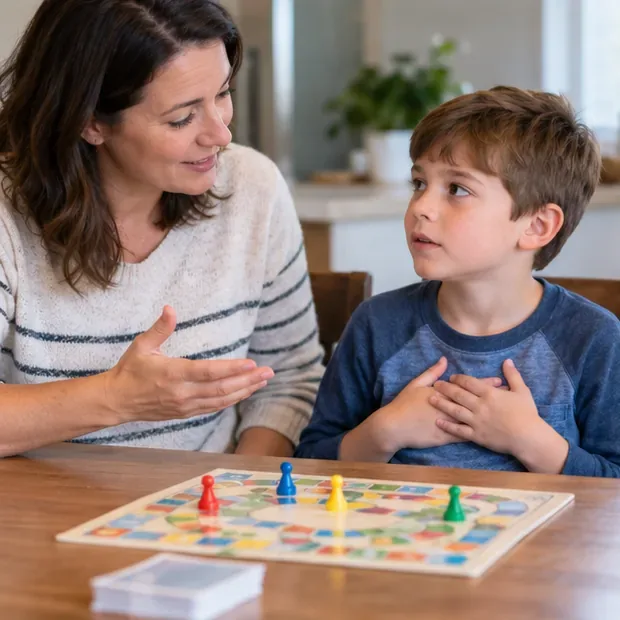
Teach children to handle losing without shame or explosive anger by validating feelings, setting behavior limits, modeling recovery, and practicing at the right difficulty.
A calm, practical plan for after-school meltdowns: reduce overload, keep limits clear, track patterns, coordinate with school, and know when to seek help.
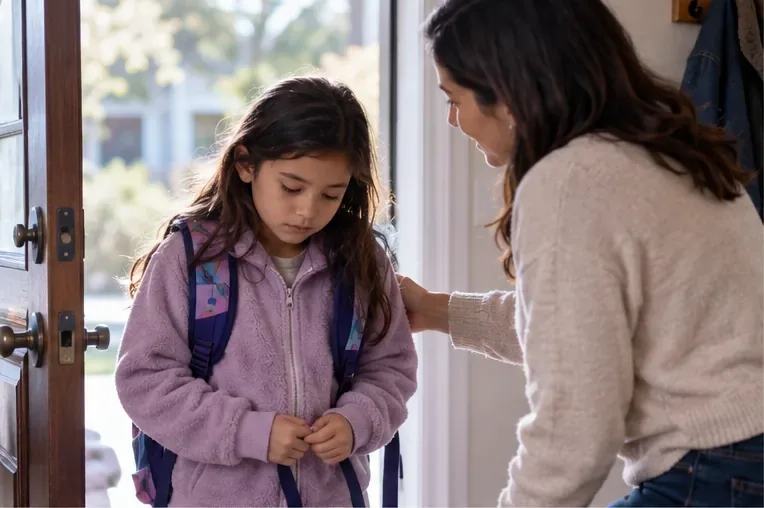
Learn how to respond when a child feels unwanted, ask supportive questions, recognize bullying or ongoing distress, and know when to seek extra help.
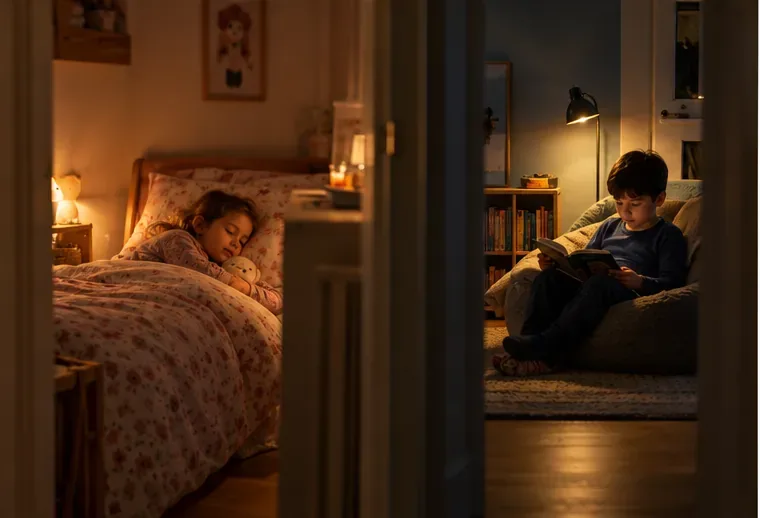
Learn how to set up a shared bedroom for siblings with different bedtimes, from planning around age-based sleep needs to creating separate sleep spaces and quiet routines.
Compare full-day, gradual, and temporary at-home return plans, plus health checks and school supports that can help a child reenter safely.
Learn when a child can try to solve a friendship problem, when adults should step in, and how to tell whether support is helping or needs to change.