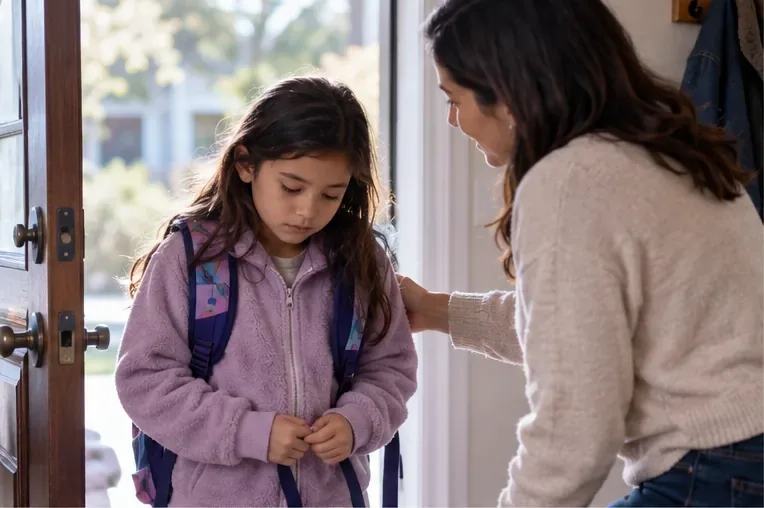
How to Teach Chores Without Redoing Every Task for Your Child

Teach kids to do chores with fewer reminders: set a clear finish line, model one task, step back, and correct only what is unsafe or unfinished.
The dose of paracetamol for children to comply with the dosage and instructions of the doctor. The reason is that if used incorrectly, children may experience unwanted side effects.
Paracetamol is a popular pain reliever and fever reducer. Most parents give this medicine to their children when they have signs of fever or headache or toothache.
However, despite its popularity, paracetamol is still a medicine and when giving it to your child, you should still consult your doctor as well as adhere to the correct dosage. Please join aFamilyToday Health to continue to share below for some more information about giving paracetamol to children.
If used in the right dose, paracetamol is quite safe for children. Doctors often prescribe this medication to treat fever or relieve pain in children.
You can give paracetamol to your child when he or she has fever, headache and soreness in the body. You can also take paracetamol to treat fever after vaccination.
You should drink it every 4-6 hours and only up to 4 times in 24 hours. Do not exceed the above dosage, if symptoms persist, seek medical attention.
Currently, paracetamol is sold in many different shapes from tablets, syrup to suppositories:
Shake the bottle well and pour the correct amount of medication into a spoon, cup or syringe for your child to drink. You should use a measuring spoon or cup, avoid using normal tools as this makes it easy for your child to overdose.
In the form of tablets, you can give them water, milk or juice and avoid letting them chew.
Suppositories are suppositories that are designed in the form of a bullet that are easily inserted into the anus. This medicine is usually suitable for children who vomit when taking tablets or those who have difficulty swallowing. When taking paracetamol in this form, you should follow the directions on the package.
Paracetamol can help reduce fever and pain.However, if overdose is very dangerous, it can even lead to death:
The dose of syrup will depend on your baby's age.
Medicines for babies:
3 - 6 months: 2.5ml
6 - 24 months: 5ml
2 - 4 years old: 7.5ml
4 - 6 years: 10ml
Medicines for children:
6 - 8 years old: 5ml
8 - 10 years old: 7.5ml
10 - 12 years old: 10ml
For babies, you should take paracetamol in the form of syrups or suppositories. You should only give your baby up to 2 doses within 2 to 3 months under the supervision of a doctor.
Children over 6 years old can take paracetamol in the form of tablets in the following dosage:
6 - 8 years old: 250mg
8 - 10 years old: 375mg
10 - 12 years: 500mg
12 - 16 years: 750mg
Before giving your baby the next dose, you must check the symptoms to determine if your baby needs another dose. Also, you must wait at least 4 hours before giving your child the next dose and no more than 4 doses within 24 hours.

The effectiveness of the drug will depend on the location of each person. In general, however, it takes about 1-3 hours for the drug to work.
You need to keep the medicine in a cool and special place:
Keep out of reach of small children
Do not keep the medicine in the refrigerator
Be careful with syrups because young children are easily attracted to these bottles.
If used in the correct dosage, paracetamol rarely causes side effects. In some cases, children may be allergic to the drug and develop symptoms such as:
Shortness of breath
Wheeze
Increased heart rate
Change in blood pressure
Swelling of face, mouth, lips, throat ...
Skin rash with swollen, itchy red blisters
Chest tightness and discomfort
Damage to the liver and kidney due to overdose
If your baby has allergies, get them to the doctor right away.
You need to take the following precautions to ensure that your child does not overdose paracetamol:
Never give paracetamol with any other medicine without consulting a doctor.
Always check the expiration date of medicine to avoid poisoning. Absolutely do not use expired tablets.
Keep medicine out of reach of children
Note carefully when and how much your child takes to avoid overfeeding.
Both drugs are equally effective in reducing fever. However, paracetamol is often preferred because it has been used for a long time, its effectiveness and safety have also been demonstrated by many studies.
Overdose with paracetamol can cause liver and kidney damage while ibuprofen can cause intestinal and kidney problems even with the correct dose. Children who are especially dehydrated or have other health problems are at an increased risk of kidney damage when taking ibuprofen.
If your child overdose and has symptoms such as nausea, diarrhea, loss of appetite, vomiting, extreme drowsiness, yellowing of the skin or eyes, you should seek immediate medical attention.
Paracetamol is a fairly common drug and rarely causes side effects. However, if you do not overdose carefully, young children can experience many dangerous complications, even leading to death. Therefore, to ensure safety, you should consult your doctor before giving it to your child.
Teach kids to do chores with fewer reminders: set a clear finish line, model one task, step back, and correct only what is unsafe or unfinished.
Learn why toilet-trained children may start having pee or poop accidents again, what patterns to track, how to respond calmly, and when to call the pediatrician.
A child may repeat a reassurance question to process information, seek connection, or manage worry. Learn how to respond and when persistent anxiety needs support.
Learn how to set screen-time boundaries with predictable routines, warnings, calm follow-through, and better transitions—without turning every device handoff into a fight.
Teach children to handle losing without shame or explosive anger by validating feelings, setting behavior limits, modeling recovery, and practicing at the right difficulty.
A calm, practical plan for after-school meltdowns: reduce overload, keep limits clear, track patterns, coordinate with school, and know when to seek help.
Learn how to respond when a child feels unwanted, ask supportive questions, recognize bullying or ongoing distress, and know when to seek extra help.
Learn how to set up a shared bedroom for siblings with different bedtimes, from planning around age-based sleep needs to creating separate sleep spaces and quiet routines.
Compare full-day, gradual, and temporary at-home return plans, plus health checks and school supports that can help a child reenter safely.
Learn when a child can try to solve a friendship problem, when adults should step in, and how to tell whether support is helping or needs to change.