How to Teach Chores Without Redoing Every Task for Your Child
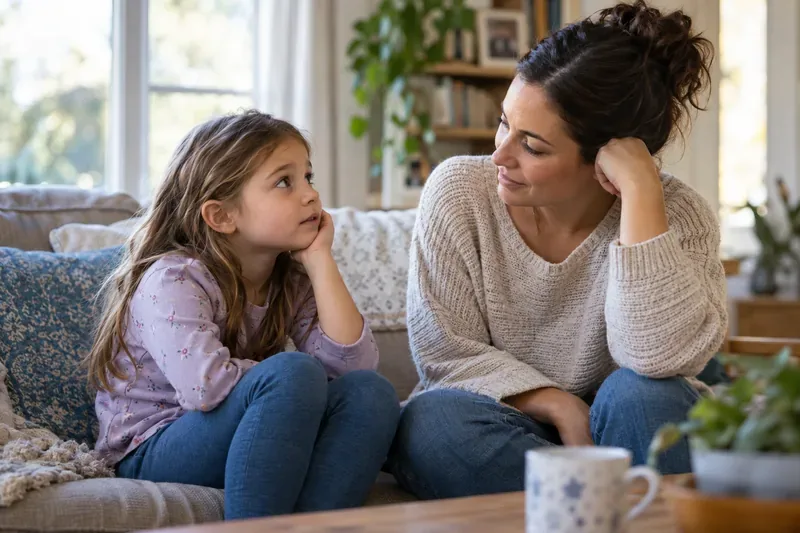
Teach kids to do chores with fewer reminders: set a clear finish line, model one task, step back, and correct only what is unsafe or unfinished.

Blue stools are not a serious condition, but they may contain some signs of health.
You can see the health of your baby through the stool . Therefore, many parents feel worried when their infant feces are green instead of yellow. So what does this mean? Let's learn with aFamilyToday Health through the following article.
The first type of feces in a baby's life to pass out is usually black (poop). When your baby is regularly breastfed, around day three, your baby's stools will turn dark green. By day 5 or more, the stools color changed again to yellow and had a rather dense texture.
Green or brown infant feces is considered normal. You do not need to worry too much if you see your baby is gaining weight steadily and healthy. Green stools can be caused by:
Tummy upset: When your baby is sick it can cause a color change in the stool that lasts for weeks. The best way to help your baby recover is to breastfeed.
Overnutrition: If you produce a lot of milk and your baby gets a high-sugar, low-fat colostrum can cause your baby's intestines to over-function and make stools loose or turn green.
Jaundice: Some babies can get jaundice because their liver is still immature and unable to process the bilirubin the body produces, which in turn causes abnormal color stools. This is quite normal and should go away after a week or two.
Ineffective breastfeeding: If on day 5 of breastfeeding your baby's feces turn green instead of yellow, this could be a sign the baby isn't strong enough to suck. end of the last milk in the breast milk, so drink milk that is high in sugar and low in fat.
Mommy eats green foods: If she has eaten a lot of green vegetables or something green, the baby's diaper may be green. This is not a big deal unless your baby is tired and uncomfortable or seems to have a stomach ache. In this case, ask an expert for advice to change the diet more suitable.
Food or drug sensitivities : When a child is sensitive or allergic to a medicine you are taking or to foods in your diet, he or she will release green feces or mucus.
Food allergy often occurs in families with someone with the condition. When determining this is the cause, in addition to the green stools, your baby may develop other signs such as skin problems (eczema, rash, dry patches), abdominal pain, vomiting, diarrhea or breathing problems (stuffy nose, runny nose, wheezing, cough).
To improve the condition of your baby having a green stool, you can refer to the following ways:
Breastfeeding exclusively, in addition, babies should be drained of one breast before moving to the other breast to receive full colostrum and final milk.
Eat cabbage: If your current milk supply is too plentiful and worried that your baby will suck green stools, think cabbage. Cabbage is known to reduce milk supply. So, you can place a little chilled cabbage on your nipples for about 30 minutes, no more than three times a day to partially control your milk production.
Some measures mothers can take to help prevent babies from having blue stools:
Determine which food allergies your baby has, thereby avoiding them
Avoid giving cow's milk to your baby to limit the risk of lactose overload
Avoid overeating green leafy vegetables, as they can cause green stools in a newborn when the baby is breastfed.
Teach kids to do chores with fewer reminders: set a clear finish line, model one task, step back, and correct only what is unsafe or unfinished.
Learn why toilet-trained children may start having pee or poop accidents again, what patterns to track, how to respond calmly, and when to call the pediatrician.
A child may repeat a reassurance question to process information, seek connection, or manage worry. Learn how to respond and when persistent anxiety needs support.
Learn how to set screen-time boundaries with predictable routines, warnings, calm follow-through, and better transitions—without turning every device handoff into a fight.
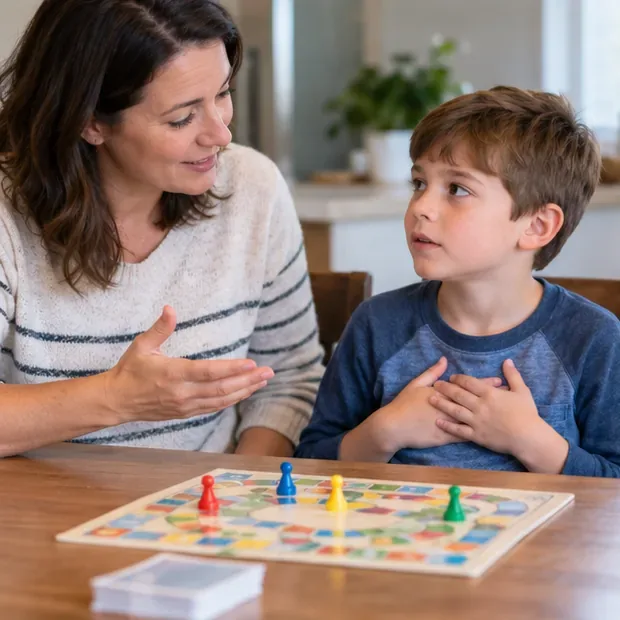
Teach children to handle losing without shame or explosive anger by validating feelings, setting behavior limits, modeling recovery, and practicing at the right difficulty.
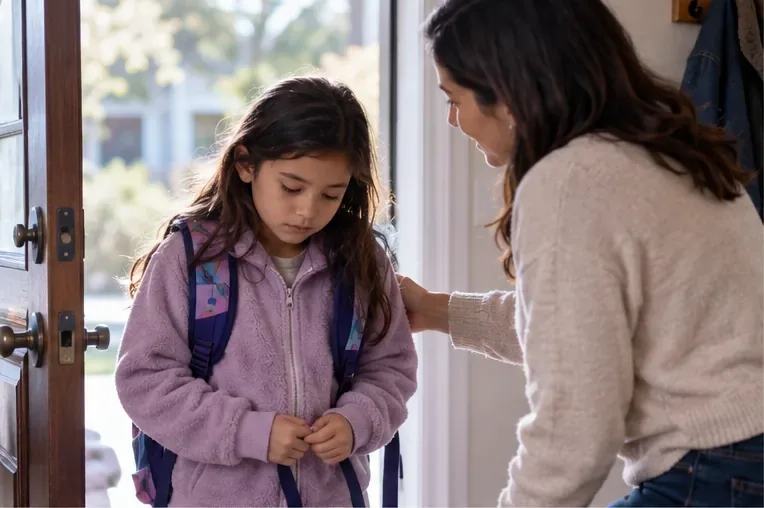
A calm, practical plan for after-school meltdowns: reduce overload, keep limits clear, track patterns, coordinate with school, and know when to seek help.
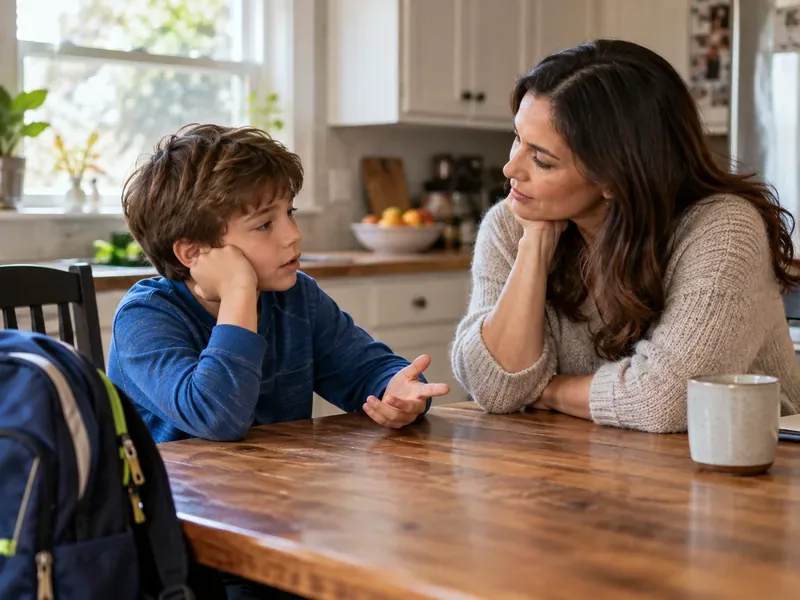
Learn how to respond when a child feels unwanted, ask supportive questions, recognize bullying or ongoing distress, and know when to seek extra help.
Learn how to set up a shared bedroom for siblings with different bedtimes, from planning around age-based sleep needs to creating separate sleep spaces and quiet routines.
Compare full-day, gradual, and temporary at-home return plans, plus health checks and school supports that can help a child reenter safely.
Learn when a child can try to solve a friendship problem, when adults should step in, and how to tell whether support is helping or needs to change.