How to Teach Chores Without Redoing Every Task for Your Child
Teach kids to do chores with fewer reminders: set a clear finish line, model one task, step back, and correct only what is unsafe or unfinished.
Clay is a fun toy for all ages, especially in young children. Squeezing, rolling and shaping with clay are all fun activities babies can do. Playing clay not only encourages them to develop their imagination, but also gives them many other benefits.
You can let children 3 years and older play clay because at this age, they are aware of and do not put clay in their mouths. Although clay is as safe as wheat flour and natural dyes, clay can choke your child if swallowed. According to pediatric experts, playing clay can help children develop strength in fingers and hands. This will be of great help for your child to learn to grip and hold pens in the future. In addition, playing clay also helps children learn better hand-eye coordination skills.
Playing clay with your child is how you can interact with your child. It is very important that parents play with their children, especially before they start school. Not only does this help your child develop skills needed for life and learning, it also helps build a parent-child relationship . These games also help children learn social skills and confidence to cope with future difficulties.
During adulthood, children develop self-regulation and management skills. These skills are formed based on 3 factors: memory, control and flexibility. The first factor helps children keep information in mind. The second factor prevents children from impulses, helps to resist temptation and can stop at all actions. The last factor helps children adjust the plan according to the situation.
There are many games to help young children develop these skills, and playing clay is one of them. Playing clay helps children learn how to set goals (for example, make a flower out of clay), learn what to do, and adjust the plan during implementation (adding extra petals to make the flower more beautiful).
Creativity is a very important life skill to help children overcome difficulties and find solutions. Playing clay also stimulates the child's curiosity. More importantly, playing clay also helps children develop their brain. The visual and tactile experiences of playing clay will help form neural cells and new nerve connections in the brain.

One of the interesting things about clay is that this game is very soft, flexible and can be changed in shape at will. It is this property that strengthens the hand muscles and tendons, assisting children in learning how to hold scissors and pens in the future.
While playing, children can roll, rub, crush, cut, stab… clay. These actions all help children develop muscles in many ways and help them learn hand-eye coordination skills.
Clay is a great game for children to develop their imagination and a means for children to create many toys they can think of. With a small scone with a few candles made of clay, children can immediately think of a birthday party or small clay pebbles can lead them to a beautiful beach.
Playing clay can help reduce stress and help your child feel relaxed. If the child has difficulty expressing emotions, when playing clay, the child has the opportunity to talk to their parents, so it can help improve this situation.
When playing clay with your child, you can use the clay to form letters, numbers, names, or fun pictures for them to learn to count and recognize letters.
Playing clay is a sedentary activity. Therefore, this is a game suitable for children on rainy days to help them relax and they can develop other essential skills.
Teach kids to do chores with fewer reminders: set a clear finish line, model one task, step back, and correct only what is unsafe or unfinished.
Learn why toilet-trained children may start having pee or poop accidents again, what patterns to track, how to respond calmly, and when to call the pediatrician.
A child may repeat a reassurance question to process information, seek connection, or manage worry. Learn how to respond and when persistent anxiety needs support.
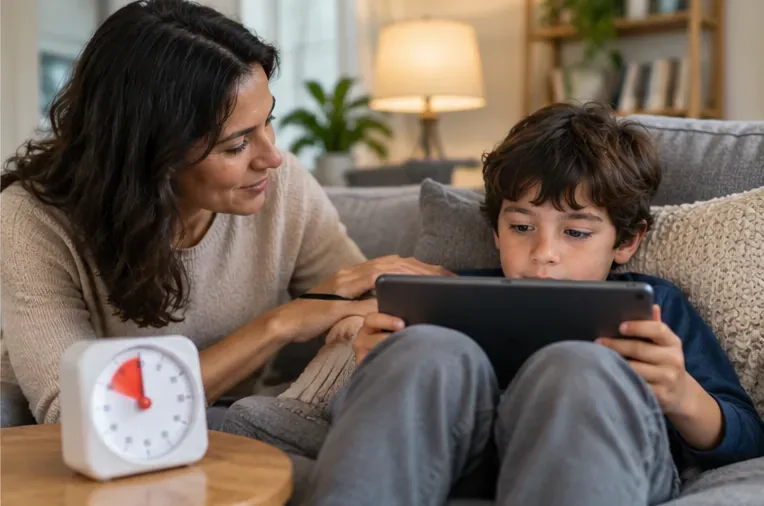
Learn how to set screen-time boundaries with predictable routines, warnings, calm follow-through, and better transitions—without turning every device handoff into a fight.
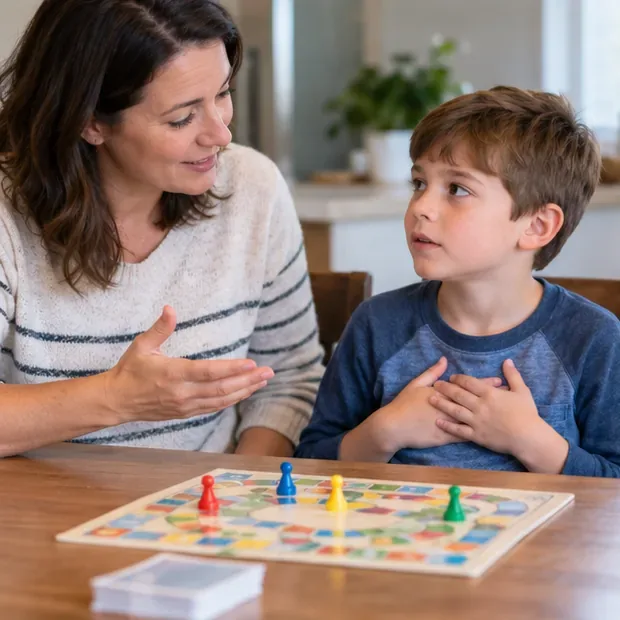
Teach children to handle losing without shame or explosive anger by validating feelings, setting behavior limits, modeling recovery, and practicing at the right difficulty.
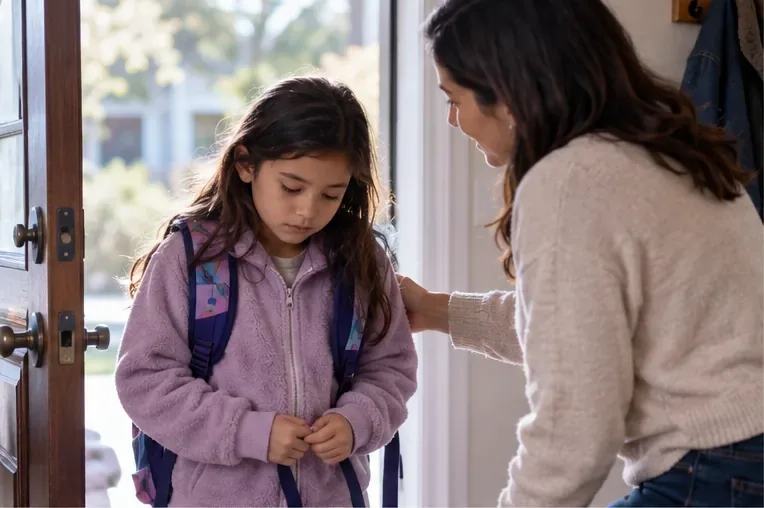
A calm, practical plan for after-school meltdowns: reduce overload, keep limits clear, track patterns, coordinate with school, and know when to seek help.
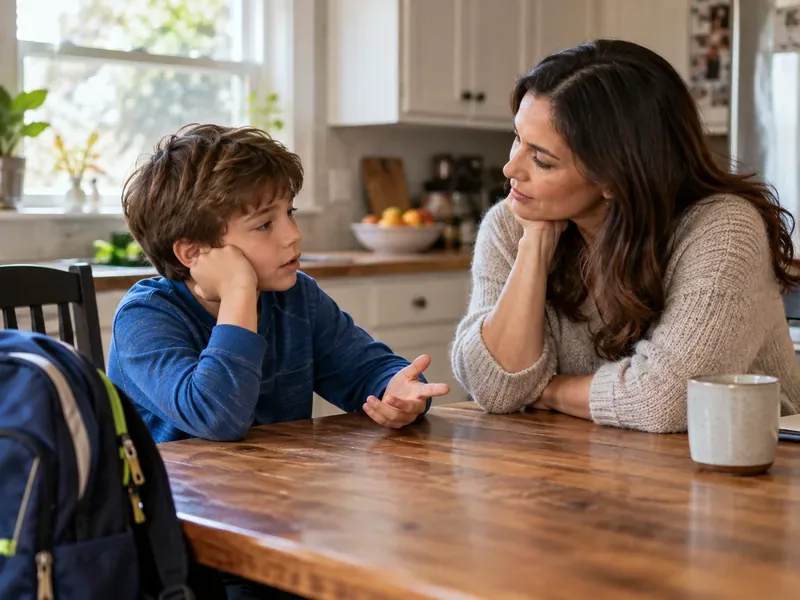
Learn how to respond when a child feels unwanted, ask supportive questions, recognize bullying or ongoing distress, and know when to seek extra help.
Learn how to set up a shared bedroom for siblings with different bedtimes, from planning around age-based sleep needs to creating separate sleep spaces and quiet routines.
Compare full-day, gradual, and temporary at-home return plans, plus health checks and school supports that can help a child reenter safely.
Learn when a child can try to solve a friendship problem, when adults should step in, and how to tell whether support is helping or needs to change.