What Helps a Child Return to School After a Long Absence?
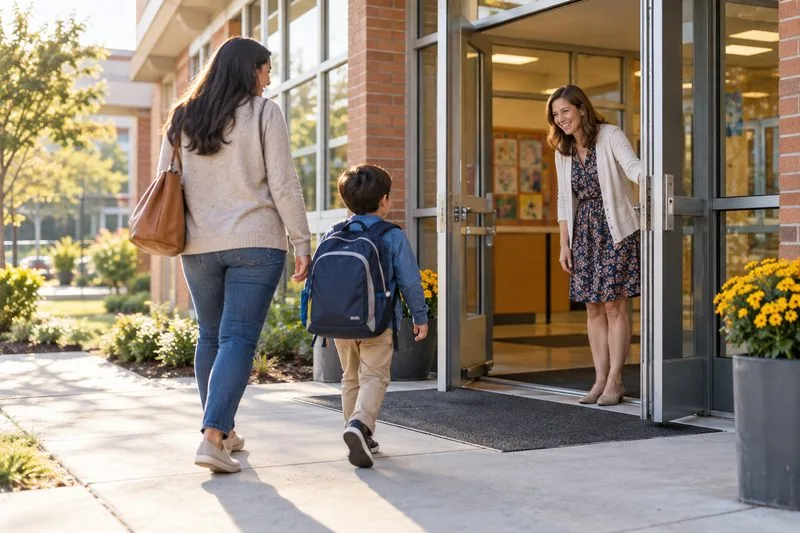
Compare full-day, gradual, and temporary at-home return plans, plus health checks and school supports that can help a child reenter safely.

When children are anxious, they may show some behaviors such as fighting with siblings or friends, being irritable, sleeping restless, crying a lot, clinging to their parents or disobeying. The causes of these behaviors are sometimes difficult to grasp. Therefore, in order to help children overcome their fears, you should understand about the signs when they are feeling anxious at different ages.
At this age, babies know how to distinguish different situations. The feelings of anxiety and panic in seeing a parent leaving them peaked at 8 to 9 months old. Besides, the appearance of strangers can scare your baby during the first 2 years. Sometimes loud noises like thunder or broken furniture can also frighten and cry out.
Children at this age have a very rich and vivid imagination. It is really difficult trying to explain to your baby the difference between reality and fantasy.
By age 3, the baby will be less clingy to parents. If the child is still inseparable and is always worried about being away from his parents at this stage, you should see a doctor for psychological advice about the child.
At this age, children also often imagine scary creatures coming out of the dark or fierce and ghostly characters. This fear often arises when the child goes to bed or is alone. Children sometimes feel uncomfortable and panic when they hear loud noises, especially thunder. Therefore, parents should not tease the baby because of these things.
Children have a very good memory, when parents tell a story, children remember and believe that it is true. Therefore, parents remember to be careful with their words to avoid making children psychologically affected.
Babies often wake up in the middle of the night because of nightmares, they need to be reassured that the dream is not true and comfort them to sleep again. Your baby will completely forget this after waking up.
The 5-year-olds' fears are more realistic, it may be fear of injury, fire or accident. However, when children go to school and are taught many things, they will "release" these fears because they understand how to cope.
Older children often worry when their parents are arguing, sick or when the family has difficulties in life.
In addition, the media also causes children to fear from movies, video games and music videos, even news broadcast on television.
Children can express their fears by: biting their nails, shaking, sucking their thumb or getting wet. Because of low self-esteem and shame, babies will not confide in their parents about their fears so parents should observe the baby.
Here are some ways parents can refer to the problem with their children over their fears:
Don't force your child to deal with his fears when he is not ready;
Let your baby get used to the situation that worries him slowly and slowly. Mom should praise when children can do things they used to fear;
Respect the baby's feeling of fear, definitely not bring it out to threaten or joke;
Expect things that might scare your baby and help them prepare to face it;
Tell your baby stories that show that their fears are not big and insurmountable;
Help your baby feel more secure by holding his hand, hug him, giving him a feeling of closeness;
Try to stay calm in all situations. A parent's startle or panic can directly affect the child;
Restrict exposure to violent television, movies and games.
Children are "god" crying and afraid, but in fact, those things are caused by many different effects. Understanding where your child's fears come from and how to overcome them will help your baby feel more reassured and less anxious.
Compare full-day, gradual, and temporary at-home return plans, plus health checks and school supports that can help a child reenter safely.
Learn when a child can try to solve a friendship problem, when adults should step in, and how to tell whether support is helping or needs to change.
Separated parents can support better sleep by aligning a few core bedtime rules across homes without making both households identical.
A fair response to a child’s lie is calm, brief, and tied to what needs fixing. Learn how to address the lie, repair harm, and rebuild trust.
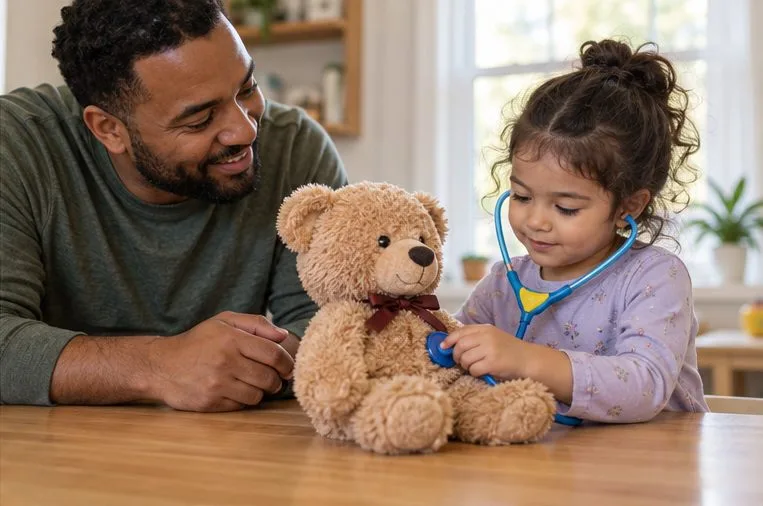
Help your child feel more prepared for a doctor visit with honest, age-appropriate explanations, simple choices, comfort items, and a practical plan for questions or procedures.
When homework runs long, track where time goes, check the task and routine, and work with the teacher if the pattern repeats. Learn what to watch for and when to ask for support.
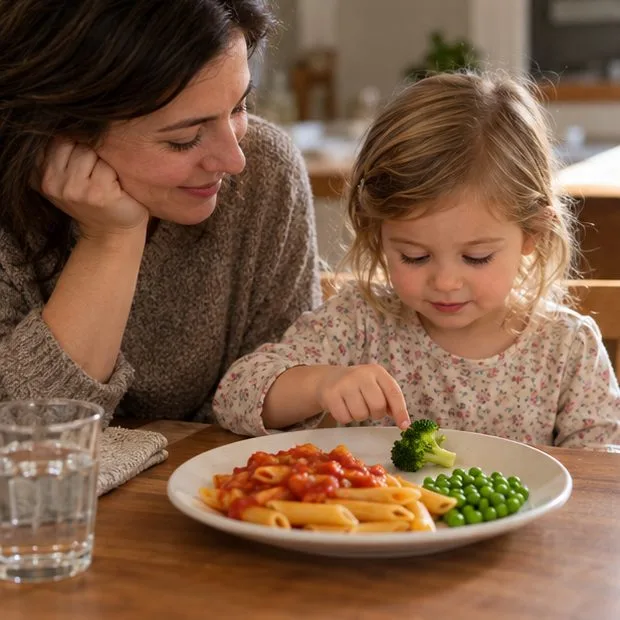
Learn how one flexible family meal, a familiar food, and low-pressure repeat exposure can make dinner easier for picky eaters—plus when to ask a pediatrician for help.
The clocks fall back on November 1, 2026. Use a gentle bedtime plan, familiar routines, and morning light to help your child adjust.
Plan five low-cost October half-term outings with a preschooler, from libraries and museums to parks and art trails. Check dates, booking, and total costs first.
Learn how to determine your baby’s caloric needs, including the calories in breast milk and formula, to ensure your infant gets the right nutrition for healthy growth.