How to Teach Chores Without Redoing Every Task for Your Child

Teach kids to do chores with fewer reminders: set a clear finish line, model one task, step back, and correct only what is unsafe or unfinished.
Sleep is very important for a child's growth and development. Children who get enough sleep help increase height, on the contrary, children who lack sleep will grow slowly or stunt.
Getting enough sleep is an extremely important factor for young children for many reasons, from restoring energy for the body to function to perfecting brain functions. Not only that, but sleep also helps support the growth and development of your baby.
Growth is a complex process that involves a number of hormones that stimulate various biological processes that take place in the blood, organs, muscles, and bones.
The growth hormone secreted by the pituitary gland is the most important factor in this process. Several factors can affect the secretion of this hormone including nutritional status, stress and exercise. However, in young children, the most important factor influencing growth hormone is sleep.
Growth hormone is released at many times of the day. In young children, the time when the most growth hormone is released is right after the baby is asleep.
Preschool-age children need 10-12,5 hours of sleep each night (the nap time will gradually decrease and even disappear when the child turns 5 years old).
Primary school children need 9.5 - 11.5 hours of sleep per night. However, more or less sleep depends on the individual child, there are children who need a little more or less sleep than children of the same age.

Not getting enough sleep can lead to growth problems like slow growth or stunting . Growth hormone secretion may be disrupted in children with certain sleep disorders, such as sleep apnea.
With insufficient sleep, some babies are unable to produce sufficient amounts of growth hormone on their own and lack of sleep makes the problem worse. It can lead to growth hormone deficiency syndrome, which impairs the function of the heart, lungs and immune system (but can be treated with hormone therapy).
Sleep deprived babies also appear changes in the amount of hormones circulating in the body. For example, the hormones that regulate hunger and cravings can be affected, causing children to eat more and always want to eat high-calorie carbs.
Insufficient sleep also affects the body's ability to metabolize food, increases insulin resistance and increases the risk of type 2 diabetes .
Lack of sleep at night also affects motor skills and ability to focus during the day, leading to behavioral problems and affecting academic performance at school.
Children need more sleep. Signs that your baby is not getting enough rest include being irritable and lethargic during the day, difficulty concentrating at school and poor grades, and difficulty waking up in the morning. The following ways can help your baby get a good night's sleep:
Establish a tight schedule of your child's bedtime schedule. Children of school age must go to bed from 8 - 9 pm (younger children can go to bed earlier).
Practice good bedtime habits to help your child's body get used to the warning signs that it's time to relax like a bath, a snack, reading a story or talking to your baby before sinking. deep sleep.
Make sure the room is quiet and turn off all the lights while your baby sleeps.
Do not install a television or computer in your baby's room.
Avoid vigorous activities before bedtime.
Make sure your baby stick to the same schedule and practice bedtime habits on weekends and holidays similar to weekdays. Although the change in sleeping habits just a few times does not have a long-term effect on sleep, erratic bedtime hours can lead to sleep deprivation in children.
Teach kids to do chores with fewer reminders: set a clear finish line, model one task, step back, and correct only what is unsafe or unfinished.
Learn why toilet-trained children may start having pee or poop accidents again, what patterns to track, how to respond calmly, and when to call the pediatrician.
A child may repeat a reassurance question to process information, seek connection, or manage worry. Learn how to respond and when persistent anxiety needs support.
Learn how to set screen-time boundaries with predictable routines, warnings, calm follow-through, and better transitions—without turning every device handoff into a fight.
Teach children to handle losing without shame or explosive anger by validating feelings, setting behavior limits, modeling recovery, and practicing at the right difficulty.
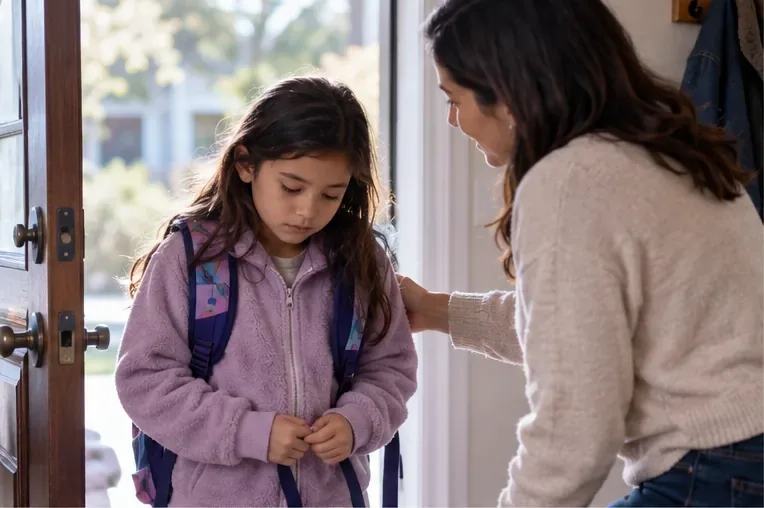
A calm, practical plan for after-school meltdowns: reduce overload, keep limits clear, track patterns, coordinate with school, and know when to seek help.
Learn how to respond when a child feels unwanted, ask supportive questions, recognize bullying or ongoing distress, and know when to seek extra help.
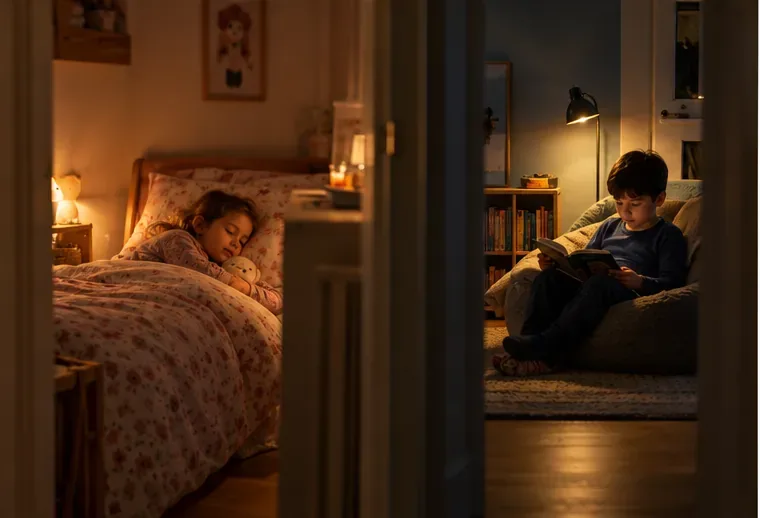
Learn how to set up a shared bedroom for siblings with different bedtimes, from planning around age-based sleep needs to creating separate sleep spaces and quiet routines.
Compare full-day, gradual, and temporary at-home return plans, plus health checks and school supports that can help a child reenter safely.
Learn when a child can try to solve a friendship problem, when adults should step in, and how to tell whether support is helping or needs to change.