How to Teach Chores Without Redoing Every Task for Your Child
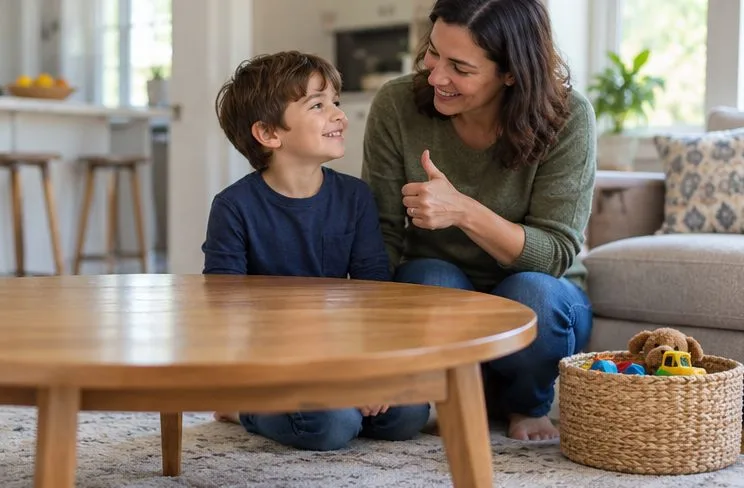
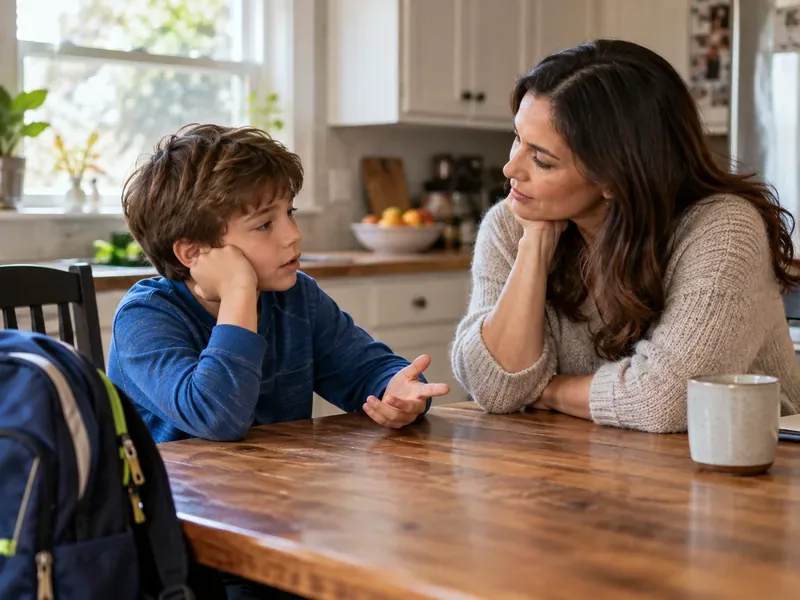
Teach kids to do chores with fewer reminders: set a clear finish line, model one task, step back, and correct only what is unsafe or unfinished.

Babies with milia (also known as milia) is a fairly common condition. Although this problem is not dangerous, it also worries many parents.
About 40-50% of babies develop milia and usually appear on the cheeks, nose or chin. Some babies have less milia while others have more. Milia may appear 1-2 days after birth, but in premature babies, milia may not appear. While milia is not painful or contagious, it can be uncomfortable for your baby. Acne usually goes away without treatment in 2-3 weeks.
Milky pimples may appear due to an enlarged sebum or maternal hormones that stimulate the activity of the undeveloped sebum glands in the baby while still in the womb.
The milia will dry, flake off and go away on its own within a few weeks to 1-2 months. So don't worry and don't use creams or ointments or try to squeeze them, as this can cause scarring.
You also do not wash or rub vigorously against the milia area because it doesn't help or even irritate your baby's skin. Ideally, be patient and do nothing. However, you can use baby soaps to wash your baby's skin morning and night before going to bed, let the skin dry on its own, do not use towels because bacteria from towels can make the situation worse. After that time, if the milia does not go away, take your baby to see a doctor.
People with acne are usually hereditary. If at puberty, you or your husband has acne, then your baby is also more likely to get acne when entering this stage. Therefore, there is no association between milia and acne .
Teach kids to do chores with fewer reminders: set a clear finish line, model one task, step back, and correct only what is unsafe or unfinished.
Learn why toilet-trained children may start having pee or poop accidents again, what patterns to track, how to respond calmly, and when to call the pediatrician.
A child may repeat a reassurance question to process information, seek connection, or manage worry. Learn how to respond and when persistent anxiety needs support.
Learn how to set screen-time boundaries with predictable routines, warnings, calm follow-through, and better transitions—without turning every device handoff into a fight.
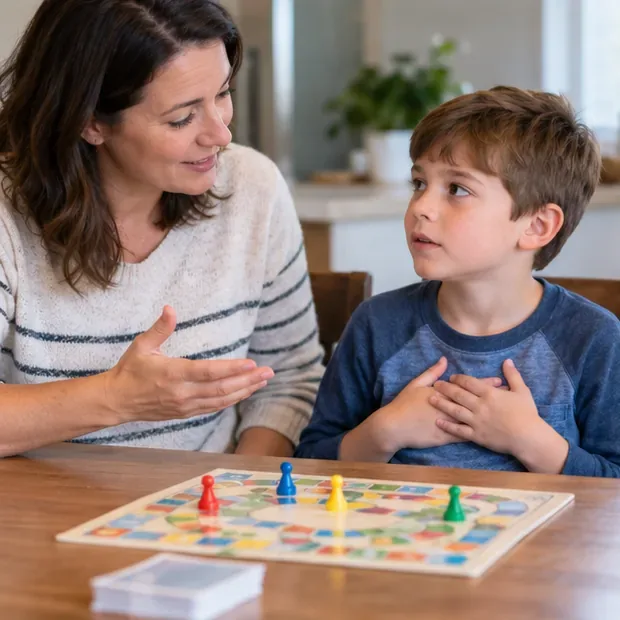
Teach children to handle losing without shame or explosive anger by validating feelings, setting behavior limits, modeling recovery, and practicing at the right difficulty.
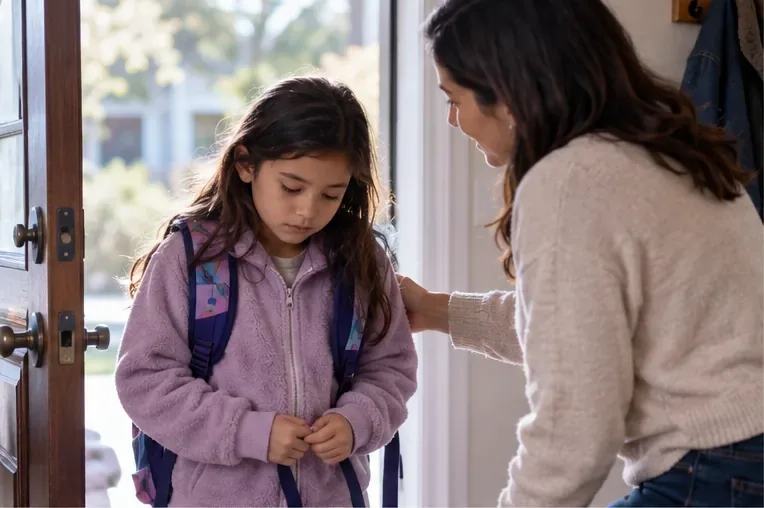
A calm, practical plan for after-school meltdowns: reduce overload, keep limits clear, track patterns, coordinate with school, and know when to seek help.
Learn how to respond when a child feels unwanted, ask supportive questions, recognize bullying or ongoing distress, and know when to seek extra help.
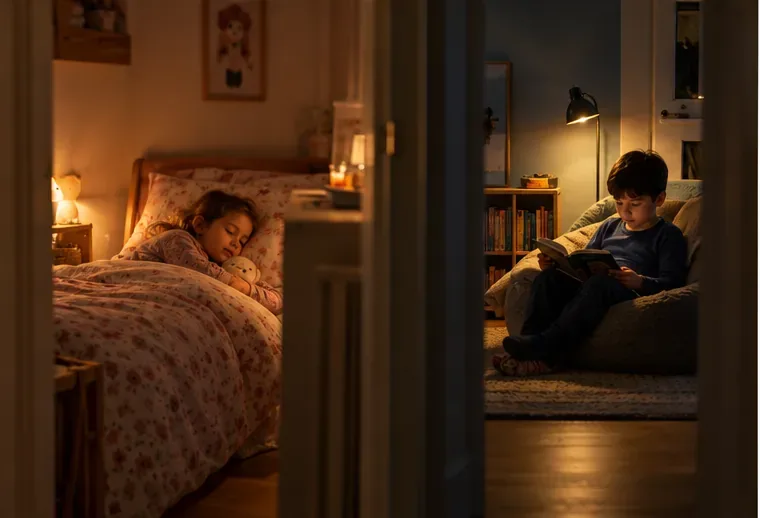
Learn how to set up a shared bedroom for siblings with different bedtimes, from planning around age-based sleep needs to creating separate sleep spaces and quiet routines.
Compare full-day, gradual, and temporary at-home return plans, plus health checks and school supports that can help a child reenter safely.
Learn when a child can try to solve a friendship problem, when adults should step in, and how to tell whether support is helping or needs to change.