How to Teach Chores Without Redoing Every Task for Your Child

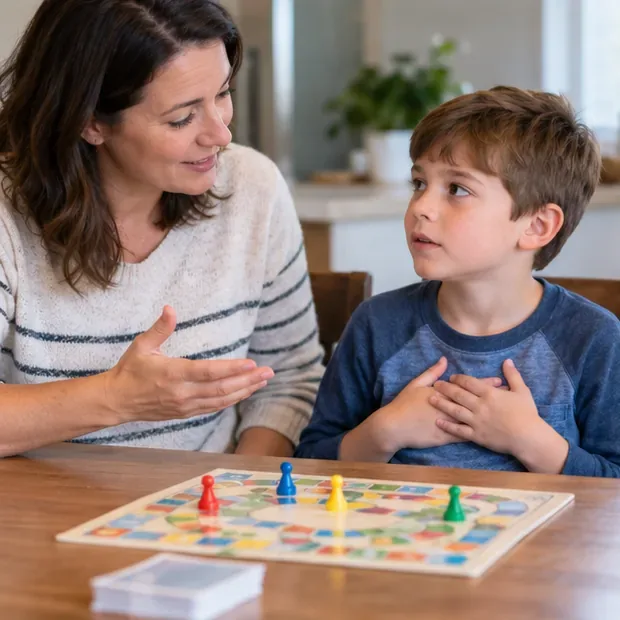
Teach kids to do chores with fewer reminders: set a clear finish line, model one task, step back, and correct only what is unsafe or unfinished.

Starting to form good eating habits at a young age will help your child gain good eyesight and may reduce the risk of developing serious eye diseases later in life, such as cataracts. macular degeneration and diabetic retinopathy. Here are a few vitamins and nutrients that play a key role in helping your baby have a good vision:
Vitamin A - the first ingredient listed on the label of vitamin water bottles - is crucial to keeping your baby's eyes healthy. Vitamin A deficiency can cause night vision problems. In addition, it can cause severe dry eyes and can lead to eye infections and vision loss.
Also, pay attention to the yellow, orange, and red pigments in fruits and vegetables called carotenoids when preparing your baby's food. Carotenoids can be divided into three main groups:
Pre-vitamin A carotenoids: Alpha-carotene, beta-carotene and beta-cryptoxanthin are called pre-vitamin A carotenoids because your child's body converts them to vitamin A during digestion.
Lutein and zeaxanthin: Lutein and zeaxanthin are important substances for a baby's eyes because they help protect the retina from damage caused by the sun's harmful ultraviolet rays (UV rays) and possibly high-energy rays. see (HEV). Prolonged exposure to UV and HEV rays can damage your baby's retina and increase your baby's risk of developing macular degeneration.
Lycopene: Another important carotenoid to help your baby have good eyesight is lycopene. Lycopene is the pigment that gives tomatoes the red color, so the redder a tomato, the more lycopene it contains. In addition to tomato and tomato juice, lycopene is also found in watermelon, peach grapefruit, apricots and red oranges.
Vitamin C (also known as ascorbic acid) is a water-soluble vitamin and powerful antioxidant. Vitamin C is found in many fruits and vegetables. Foods with bright eyes that contain vitamin C include oranges and orange juice, red and green bell peppers, grapefruit, strawberries, broccoli and kale. Vitamin C is also very important for your baby's eyes. Studies show that vitamin C supplementation can reduce the risk of cataracts and macular degeneration in the future.
Bioflavonoids (also known as flavonoids) are a large group of natural pigments found in a wide variety of fruits and vegetables. They are a good source of vitamin C for your baby.
Vitamin E is a vitamin with powerful antioxidant effects and helps a child's body produce red blood cells. They also help reduce the risk of cardiovascular disease and prevent some types of cancer. Studies also show that vitamin E can help maintain good vision throughout a baby's life by reducing the risk of cataracts and macular degeneration.
If you still have concerns about the nutrition of your baby, see your doctor or a dietitian for timely advice and help.
Teach kids to do chores with fewer reminders: set a clear finish line, model one task, step back, and correct only what is unsafe or unfinished.
Learn why toilet-trained children may start having pee or poop accidents again, what patterns to track, how to respond calmly, and when to call the pediatrician.
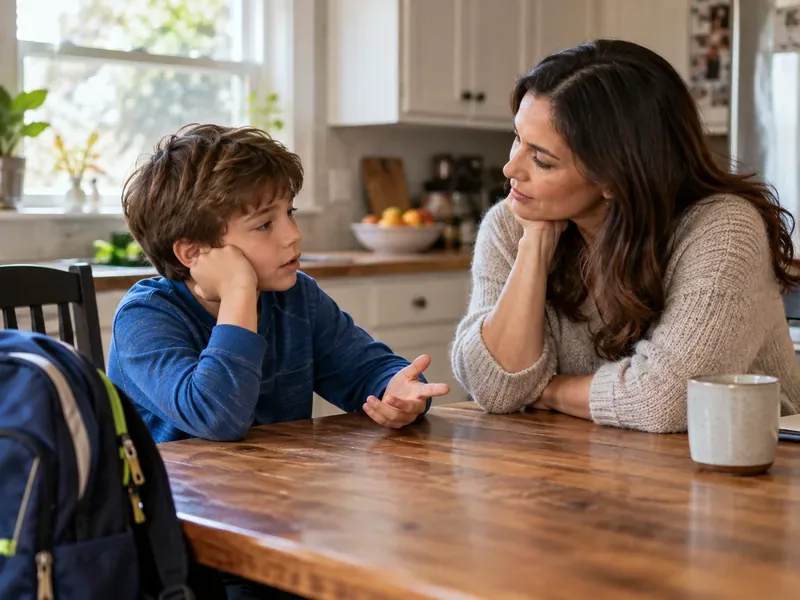
A child may repeat a reassurance question to process information, seek connection, or manage worry. Learn how to respond and when persistent anxiety needs support.
Learn how to set screen-time boundaries with predictable routines, warnings, calm follow-through, and better transitions—without turning every device handoff into a fight.
Teach children to handle losing without shame or explosive anger by validating feelings, setting behavior limits, modeling recovery, and practicing at the right difficulty.
A calm, practical plan for after-school meltdowns: reduce overload, keep limits clear, track patterns, coordinate with school, and know when to seek help.
Learn how to respond when a child feels unwanted, ask supportive questions, recognize bullying or ongoing distress, and know when to seek extra help.
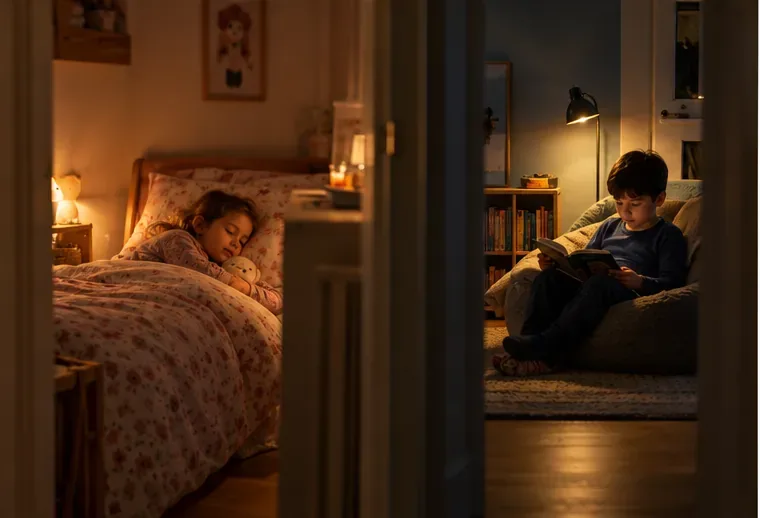
Learn how to set up a shared bedroom for siblings with different bedtimes, from planning around age-based sleep needs to creating separate sleep spaces and quiet routines.
Compare full-day, gradual, and temporary at-home return plans, plus health checks and school supports that can help a child reenter safely.
Learn when a child can try to solve a friendship problem, when adults should step in, and how to tell whether support is helping or needs to change.