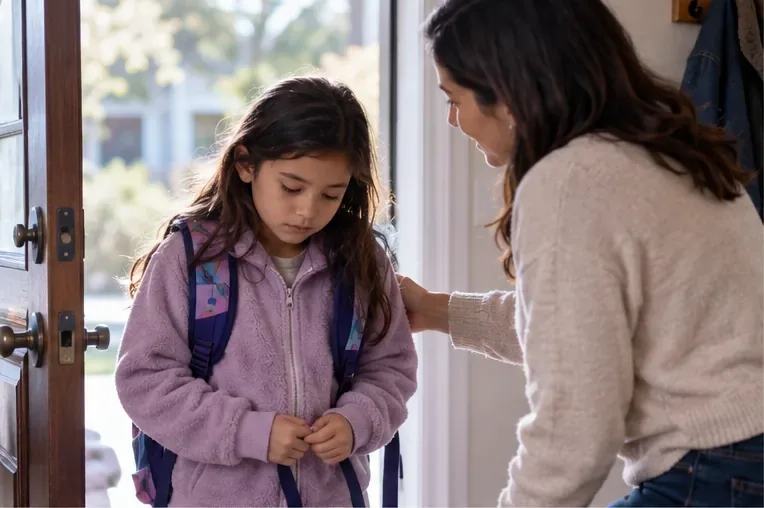
How to Teach Chores Without Redoing Every Task for Your Child

Teach kids to do chores with fewer reminders: set a clear finish line, model one task, step back, and correct only what is unsafe or unfinished.

Baby entering the toddler stage is also the time when they curiously discover everything from the world around them and put things in their mouth is the way they often do. Parents need to pay close attention what children put in their mouth if they do not want their baby to be poisoned or even dangerous to their lives.
Curiosity and wanting to learn about everything around is considered a completely natural manifestation when a toddler is in the first steps of life. This is also the time when parents need to keep an eye on their children because of the habit of exploring objects and keeping them in the mouth. It is extremely important to learn ways to protect your child from swallowing objects and poisons to protect their health and life.
From the age of six months, babies begin to explore everything around by touching, grasping or putting things in their mouths to see how they taste. Although there are many things children can put in their mouth, here are the most typical ones:
Insect;
Fruits, flowers, leaves and other plant parts;
Sand, dirt, mud;
Animal feces;
Cigarette butt ;
Batteries, coins, small toys or any other small objects;
Medicines and other pharmaceuticals;
Detergents, garden chemicals and home cleaning agents.
There are things that when a child put it in the mouth does not pose any danger, but on the contrary, some other things can poison the child and need parental intervention for prompt treatment.
Ingestion of an object can be detected immediately or may have to wait until parental symptoms appear, depending on the child and the object being swallowed. Parents should find and smell to see if any substances are detected in the child's mouth. Babies may experience abdominal pain or vomiting. If a foreign object gets in the throat, the child will vomit, vomit or have a sore throat.
Even if you are not sure if a child is swallowed, parents should consult a doctor or take the child to a medical facility for immediate examination. Parents should not try to induce vomiting because if the liquid is corrosive, it can be dangerous to the throat when reflux. Parents should also not give their children water because this can release toxins faster. Instead, keep the baby calm, do not move much to limit the damage that can be caused to the baby.
Before a child can walk, parents need to carefully inspect the house to make sure that there are no small objects or debris left that their child can put into their mouth, including pet food.
Put all items such as medicine, home cleaning products, cosmetics and potentially toxic substances out of the reach of children or store them in lockers, drawers;
Always keep the medicine in a container for easy identification, to avoid confusion with sweets;
Adult bags should not be left on floors, tables, chairs, and places where children can reach them because they can find cosmetics, medicines, and coins on their own;
Keep bottles tightly closed when not in use;
Lock the door of the warehouse and garage;
Discard your garden plants that can be toxic.
Parents should not be angry when they see their children put things in their mouths, this will avoid making the child feel hurt. Instead, parents need to gently explain that the objects cannot be eaten. The baby is too young for you to have complete peace of mind that your baby will understand and follow. Even if your baby is older, it will not be easy for him to obey everything you say so let your child get rid of this habit gradually as he grows up.
When children are in the phase of world exploration, it is best for parents to let children hold harmless objects such as snacks, toys or clean cloths so that when they want, they can put them in their mouth. Most importantly, parents must always observe the baby, keep the children's play area clean and safe from harmful agents.
Hopefully, with the above sharing, parents will no longer have trouble taking care of their toddler and learning about everything around them.
Teach kids to do chores with fewer reminders: set a clear finish line, model one task, step back, and correct only what is unsafe or unfinished.
Learn why toilet-trained children may start having pee or poop accidents again, what patterns to track, how to respond calmly, and when to call the pediatrician.
A child may repeat a reassurance question to process information, seek connection, or manage worry. Learn how to respond and when persistent anxiety needs support.
Learn how to set screen-time boundaries with predictable routines, warnings, calm follow-through, and better transitions—without turning every device handoff into a fight.
Teach children to handle losing without shame or explosive anger by validating feelings, setting behavior limits, modeling recovery, and practicing at the right difficulty.
A calm, practical plan for after-school meltdowns: reduce overload, keep limits clear, track patterns, coordinate with school, and know when to seek help.
Learn how to respond when a child feels unwanted, ask supportive questions, recognize bullying or ongoing distress, and know when to seek extra help.
Learn how to set up a shared bedroom for siblings with different bedtimes, from planning around age-based sleep needs to creating separate sleep spaces and quiet routines.
Compare full-day, gradual, and temporary at-home return plans, plus health checks and school supports that can help a child reenter safely.
Learn when a child can try to solve a friendship problem, when adults should step in, and how to tell whether support is helping or needs to change.