How to Teach Chores Without Redoing Every Task for Your Child

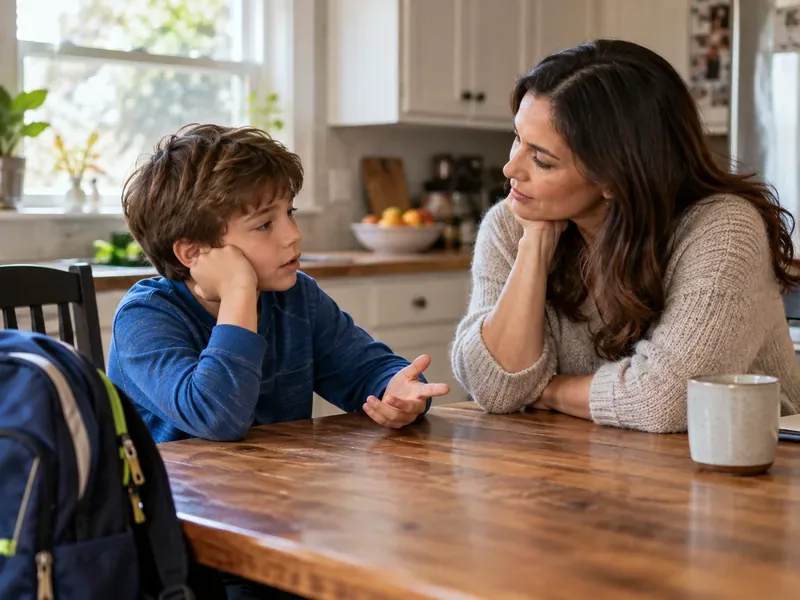
Teach kids to do chores with fewer reminders: set a clear finish line, model one task, step back, and correct only what is unsafe or unfinished.
When my child has a fever, some parents go crazy. In fact, by mastering the do's and don'ts when a child has a fever, you will take better care of them.
As a parent, you will most likely see your child have a fever at least once. You may think about going to the doctor right away, but first of all, try some of the ways to lower your child's fever to make him healthier and safer.
Fever is actually the body's response to infection, and most babies will get better after 3 days. However, if the temperature is too high, the baby will have difficulty eating and resting, which in turn leads to a longer recovery of the baby's illness. Therefore, the fever does not affect the child's behavior, you do not need to do anything to cool down.
You should let your baby drink more water to prevent dehydration and do not over-warm him with blankets or thick clothes while he sleeps.
If your baby's temperature is higher than normal due to over-dressing, hot weather or even a lot of activity, you just need to take off the clothes, let your baby rest or let him play in a cool place. OK.
Acetaminophen can help cool your baby down. If the child is older than 2 years, the dosage will be prescribed on the package. In the opposite case, consult a doctor. Another good option is ibuprofen, but it is only suitable if your baby is older than 6 months.
The following methods can be counterproductive if parents apply them to a child with a fever:
Do not give aspirin to your baby as this can lead to a condition known as Reye's syndrome
Avoid flu and cold medicine in children younger than 4 years old
If you buy cold medicine for your baby, read the instructions carefully and choose the medicine that will treat the symptoms closest to your baby. Do not arbitrarily use drugs in previous illnesses of children without the consent of the pediatrician
Do not use a cold bath or cool your child with alcohol as it can increase the child's body temperature even more
Do not warm your baby with a blanket or thick clothing, even if the baby is shivering.
Usually, you don't need to take your child to the doctor. However, occasionally a fever can be a warning symptom. Take your baby to the pediatrician if he or she develops the following:
Fever of 40 ° C or higher (or fever of 38 ° C or higher if the baby is under 3 months old)
Fever lasting more than 72 hours (or more than 24 hours if the baby is under 2 years old)
Fever is accompanied by symptoms such as a stiff neck, severe sore throat, ear pain, rash or headache
Convulsions
The baby is very tired, yeah, doesn't like to play.
That depends on the condition of the baby. You should ask your Pediatrician for more information. Usually, you do not need to constantly take the baby's temperature or force it to get the temperature while the baby is still asleep . Do it when your baby seems more tired.
Electronic thermometer is the best. You can place it in your mouth, anus or under your armpits.
For young children, the anal temperature is the most accurate. If your child is 4 years old or older, you can put a thermometer in your mouth. Armpit temperatures are less accurate but easy to do. Remember to add 1 ° C to the armpit measurement for a more accurate reading.
You will probably feel uncomfortable seeing your baby sick, especially if your baby has a fever and is very upset. Try to stay calm and remember that any small child has a fever and usually they will go away on their own. Putting pressure on yourself when you see your baby is sick will not help your baby get better faster, but sometimes it can even make you sick while caring for your baby.
Teach kids to do chores with fewer reminders: set a clear finish line, model one task, step back, and correct only what is unsafe or unfinished.
Learn why toilet-trained children may start having pee or poop accidents again, what patterns to track, how to respond calmly, and when to call the pediatrician.
A child may repeat a reassurance question to process information, seek connection, or manage worry. Learn how to respond and when persistent anxiety needs support.
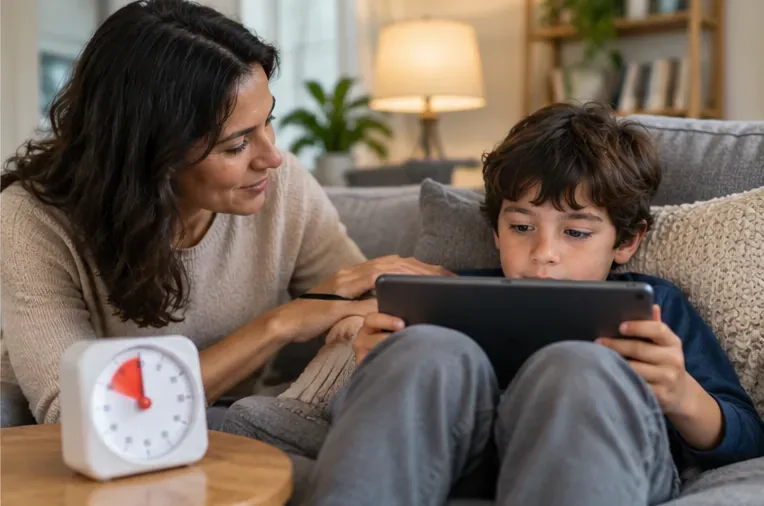
Learn how to set screen-time boundaries with predictable routines, warnings, calm follow-through, and better transitions—without turning every device handoff into a fight.
Teach children to handle losing without shame or explosive anger by validating feelings, setting behavior limits, modeling recovery, and practicing at the right difficulty.
A calm, practical plan for after-school meltdowns: reduce overload, keep limits clear, track patterns, coordinate with school, and know when to seek help.
Learn how to respond when a child feels unwanted, ask supportive questions, recognize bullying or ongoing distress, and know when to seek extra help.
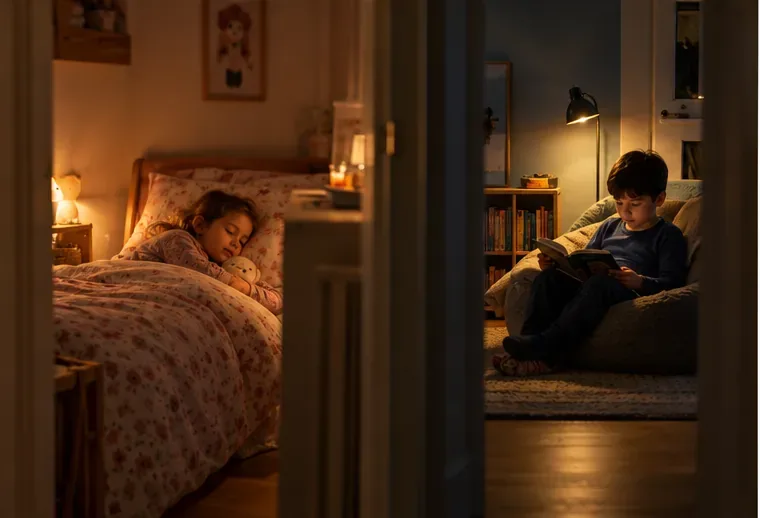
Learn how to set up a shared bedroom for siblings with different bedtimes, from planning around age-based sleep needs to creating separate sleep spaces and quiet routines.
Compare full-day, gradual, and temporary at-home return plans, plus health checks and school supports that can help a child reenter safely.
Learn when a child can try to solve a friendship problem, when adults should step in, and how to tell whether support is helping or needs to change.