How to Teach Chores Without Redoing Every Task for Your Child

Teach kids to do chores with fewer reminders: set a clear finish line, model one task, step back, and correct only what is unsafe or unfinished.

What is the hepatitis A vaccine for? Why do children need hepatitis A vaccination? What are the side effects after getting the vaccine?
There is a vaccination against hepatitis A in your child's vaccination schedule . This is important and necessary to keep your child healthy as well as yourself and other family members. Do you really know the benefits of doing this? What should you pay attention to when getting vaccinated, what are the possible reactions after vaccination? Read the following article to be able to answer all of the questions above!
If your baby has a severe allergy to the vaccine after the first shot, you should not let him continue. In addition, you should not get vaccinated if your baby has a severe allergy to latex or sensitivity to aluminum hydroxide - a metal used in hepatitis A vaccines, or to 2-phenoxyethanol, a preservative. is used in some hepatitis A vaccines.
The vaccine is so mild that children can get it even if they have a cold. However, if your baby is seriously ill, wait until he feels better before getting vaccinated.
Most people who get hepatitis A vaccine will not have a problem. However, there are also some notable minor post-injection symptoms:
Soreness or redness of the injection site;
Low-grade fever;
Headache;
Tired.
About 15% of children will experience pain where the shot was given, and a few will experience loss of appetite or a headache. These symptoms usually start right after the shot is given and last 1 or 2 days after that. You can consult your doctor who can get more detailed information about these reactions.
If your child has an unusual reaction to this vaccine or to any other vaccine, contact your doctor promptly.
It is normal to feel tired and dizzy after a medical course of action, and vaccinations are no exception. When you experience this, sit or lie down and rest for about 15 minutes to minimize the risk of fainting and injury from a fall. Talk to your doctor if you experience dizziness, ringing in your ears, or changes in vision.
Some people may experience severe shoulder pain long after an injection, but this is very rare. Any treatment can cause severe allergies. However, response to the hepatitis A vaccine is very rare. Statistics show that only about 1 in 1 million vaccinations will have a severe allergy that will end within minutes to hours after vaccination.
Just like any other medicine, getting a vaccine still contains some very small risks of serious harm or death. Therefore, babies need close monitoring from parents after vaccination to limit the risks mentioned above to a minimum.
For more detailed information, visit medical websites that provide lots of useful knowledge about hepatitis A such as hellobacsi.com .
Notable signs can occur?
To handle it promptly, you need to pay attention to any minor changes in your body, such as signs of a severe allergy, a high fever or unusual behavior. Severe signs of allergy can include hives, swelling of the face and throat, difficulty breathing, rapid heart rate, dizziness, and fatigue.
These signs should end a few minutes to a few hours after the vaccination. When you experience any of the above symptoms, go to the hospital promptly or contact your doctor.
Teach kids to do chores with fewer reminders: set a clear finish line, model one task, step back, and correct only what is unsafe or unfinished.
Learn why toilet-trained children may start having pee or poop accidents again, what patterns to track, how to respond calmly, and when to call the pediatrician.
A child may repeat a reassurance question to process information, seek connection, or manage worry. Learn how to respond and when persistent anxiety needs support.
Learn how to set screen-time boundaries with predictable routines, warnings, calm follow-through, and better transitions—without turning every device handoff into a fight.
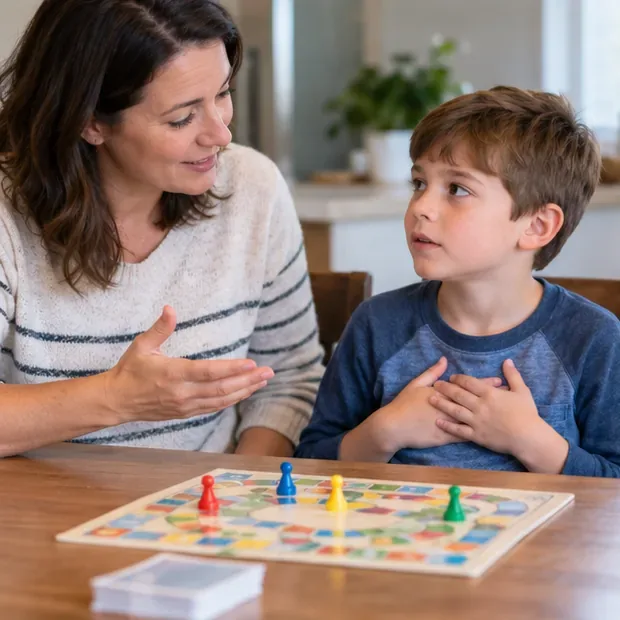
Teach children to handle losing without shame or explosive anger by validating feelings, setting behavior limits, modeling recovery, and practicing at the right difficulty.
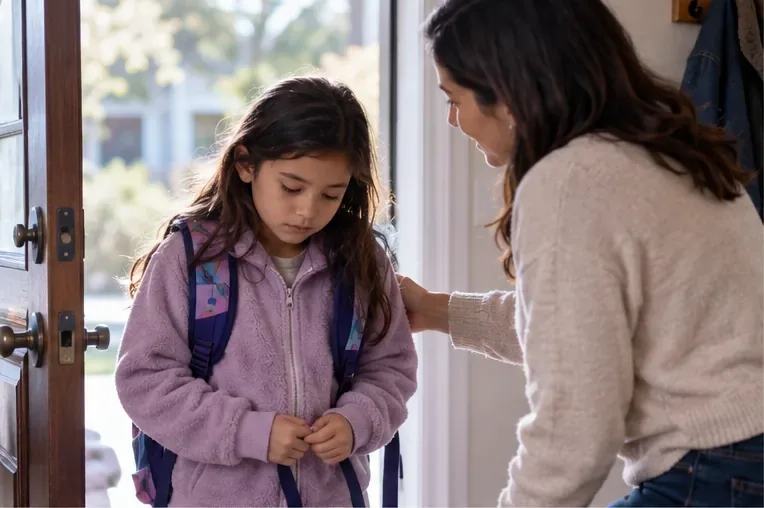
A calm, practical plan for after-school meltdowns: reduce overload, keep limits clear, track patterns, coordinate with school, and know when to seek help.
Learn how to respond when a child feels unwanted, ask supportive questions, recognize bullying or ongoing distress, and know when to seek extra help.
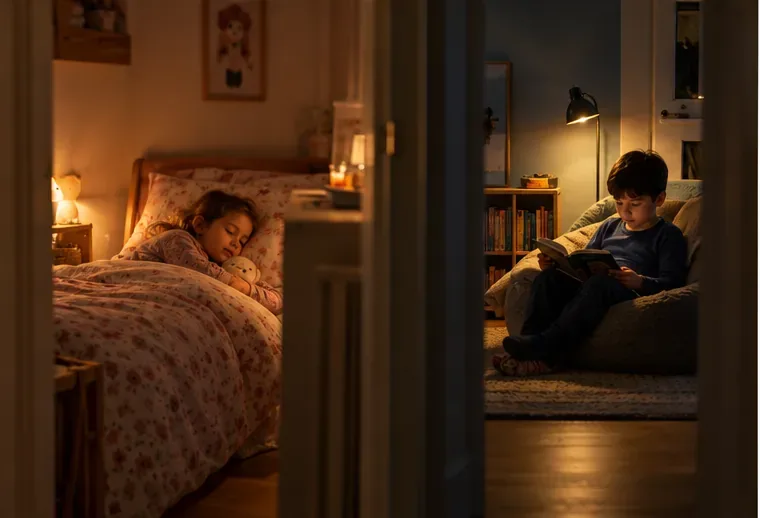
Learn how to set up a shared bedroom for siblings with different bedtimes, from planning around age-based sleep needs to creating separate sleep spaces and quiet routines.
Compare full-day, gradual, and temporary at-home return plans, plus health checks and school supports that can help a child reenter safely.
Learn when a child can try to solve a friendship problem, when adults should step in, and how to tell whether support is helping or needs to change.