How to Teach Chores Without Redoing Every Task for Your Child

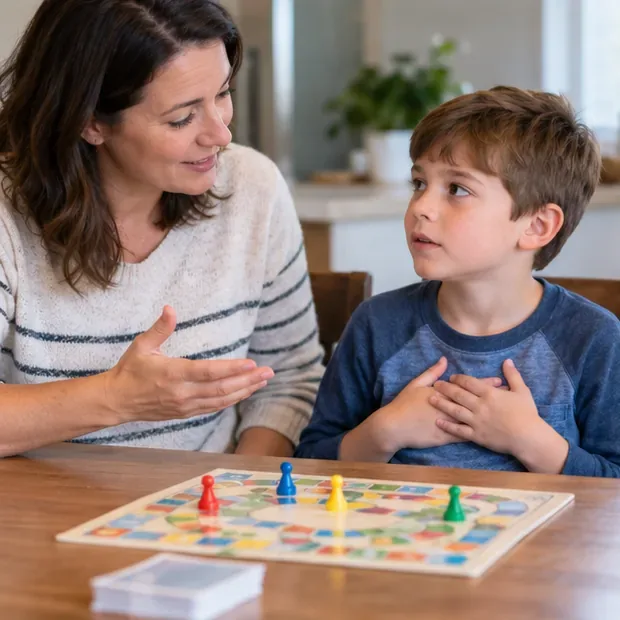
Teach kids to do chores with fewer reminders: set a clear finish line, model one task, step back, and correct only what is unsafe or unfinished.
While lupus erythematosus is not common in children, knowing it will help you gain useful information about the disease and know how to take better care of your baby.
Pediatric systemic lupus erythematosus (SLE) differs from adult-onset disease in distinct ways. However, the treatments have many things in common. The following article, aFamilyToday Health will introduce the causes, signs as well as notes when taking care of young children with scarlet fever.
Systemic lupus erythematosus is a disease characterized by inflammation and damage to internal organs, skin, and joints. The kidneys, heart, lungs and brain are all on the list of organs most often affected. Besides, the effect of the disease on adults and children is markedly different. The severity ranges from mild to severe, and even fatal.
As for adults, the majority of people with scarlet fever are young women between the ages of adolescence and 45 years. Explaining this phenomenon, scientists believe that part of the cause is closely related to the problem of female hormones (estrogen).
In children, lupus is most common in children 15 years of age and older. The affected child will have a period of flare and remission (partly or completely) of symptoms. Many children with lupus erythematosus also have kidney problems. The severity of kidney problems may impair the patient's ability to survive. In some cases, severe kidney damage in children leads to kidney failure and requires kidney transplant surgery or dialysis to sustain life.
You can learn more about this disease through the article What is lupus?

Lupus is a form of autoimmune disorder. In these disorders, the body's immune system attacks healthy cells and tissues. Many factors have been shown to cause lupus erythematosus. Factors often include: genetics, environmental impacts and gender (more women are affected than men).
Symptoms of lupus erythematosus are usually in a chronic form, but they can become more and more severe during certain stages of a child's life. This health condition affects each baby in different ways. Here are the most common symptoms:
High fever
Hair loss
Kidney problems
Reduce appetite
Lack of energy
Low RBC count
Sensitive to the sun
Joint stiffness, pain, and swelling
Neurological or brain dysfunction
Low white blood cells or low platelet count
Fluid occurs around the lungs, heart or other internal organs
Discoid rash, which is a rash on the head, arms, chest, or back
Malar rash (a rash shaped like a butterfly that usually appears on the bridge of the nose and cheeks)
Raynaud's phenomenon - a condition that causes the blood vessels of your fingers and toes to constrict if triggered by factors such as colds, stress or illness.
Symptoms of lupus erythematosus may resemble other conditions or health problems. On the other hand, it's important to remember that even though some of the above symptoms are present on your body does not mean that your child has lupus erythematosus. If you are concerned, consult your pediatrician for full examination, diagnostic tests and treatment.
Lupus is difficult to diagnose because of the wide range and severity of symptoms in each child. There is no one-time test that can be accurately determined. Instead, doctors often make final conclusions based on a child's medical history along with symptoms and a range of diagnostic tests ranging from physical to imaging. Tests include:
Blood and urine tests to evaluate kidney function.
X-rays are taken to look at internal tissue, bones, and internal organs.
A blood test looks for some antibodies that are in most people with lupus.
Additional tests to measure the level of a group of proteins in the blood that help destroy foreign substances. A low level of replenishment in the blood is often associated with lupus.
The C-reactive protein (CRP) test is used to identify inflammation in the body. Although the test reflects the level of inflammation, sometimes the baby may not have lupus erythematosus at all. This test will be done repeatedly to check your child's response to the medicine.
The rate of sedimentation (also called ESR) measures how quickly red blood cells fall to the bottom of a test tube. With swelling and inflammation, the blood's proteins clump together and become heavier than usual. So when measured, they fall and settle more quickly at the bottom of the test tube. Normally, the faster the blood cells fall, the more severe the inflammation.
There is no complete cure, but treatment can relieve some of the symptoms of the disorder, based on:
Level of condition
The specific internal organs are affected
Baby's age, general health and medical history
How your baby responds to medications and therapies.
If the symptoms of the disease are mild, treatment may not be needed. Your baby may be prescribed nonsteroidal anti-inflammatory drugs (NSAIDs) to ease joint pain. Some other remedies include:

Healthy eating mode
Treat infection immediately
Corticosteroids to control inflammation
Hydroxychloroquine for symptom relief
Get plenty of rest and sleep at least 8-10 hours at night
Immunosuppressants to suppress the body's autoimmune system
Use sunscreen , limit outdoors (between 10 a.m. and 4 p.m.), wear a hat, wear a long-sleeved shirt, and pants. Sunlight can make the illness worse
Monoclonal antibodies, such as belimumab and rituximab, may be used for some young children, depending on the severity of the disease and the results of certain blood tests.
Children with lupus should not be vaccinated with live viruses, which include chicken pox, MMR (measles, mumps, rubella) and the polio vaccine. Be careful with this as well as inform the doctor about the baby's condition before vaccination.
Children with lupus should be monitored regularly by a rheumatologist to make sure the disease is under control and that the medications are not causing side effects. Depending on the organs on which the disease affects, children may need care from doctors with specific expertise.
Phuong Uyen / aFamilyToday Health
Teach kids to do chores with fewer reminders: set a clear finish line, model one task, step back, and correct only what is unsafe or unfinished.
Learn why toilet-trained children may start having pee or poop accidents again, what patterns to track, how to respond calmly, and when to call the pediatrician.
A child may repeat a reassurance question to process information, seek connection, or manage worry. Learn how to respond and when persistent anxiety needs support.
Learn how to set screen-time boundaries with predictable routines, warnings, calm follow-through, and better transitions—without turning every device handoff into a fight.
Teach children to handle losing without shame or explosive anger by validating feelings, setting behavior limits, modeling recovery, and practicing at the right difficulty.
A calm, practical plan for after-school meltdowns: reduce overload, keep limits clear, track patterns, coordinate with school, and know when to seek help.
Learn how to respond when a child feels unwanted, ask supportive questions, recognize bullying or ongoing distress, and know when to seek extra help.
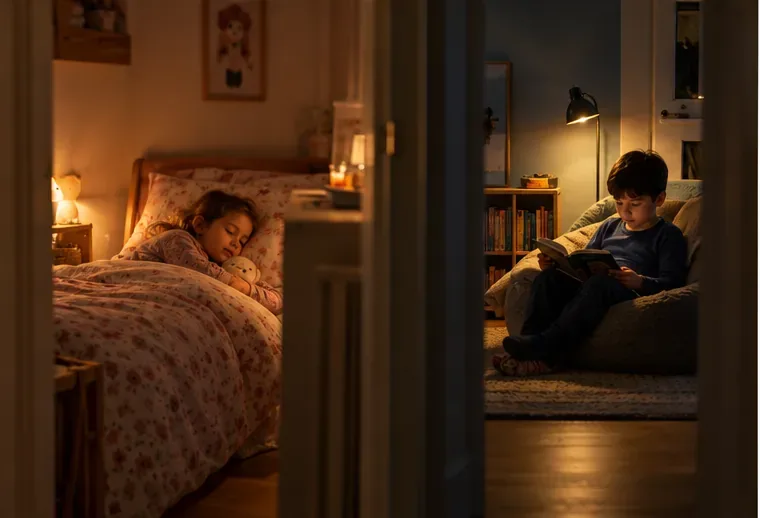
Learn how to set up a shared bedroom for siblings with different bedtimes, from planning around age-based sleep needs to creating separate sleep spaces and quiet routines.
Compare full-day, gradual, and temporary at-home return plans, plus health checks and school supports that can help a child reenter safely.
Learn when a child can try to solve a friendship problem, when adults should step in, and how to tell whether support is helping or needs to change.