How to Teach Chores Without Redoing Every Task for Your Child

Teach kids to do chores with fewer reminders: set a clear finish line, model one task, step back, and correct only what is unsafe or unfinished.

Vitamin D is an essential nutrient for healthy bones and for controlling calcium levels in the blood. Some recent studies suggest that vitamin D can also prevent many other diseases in the baby.
Vitamin D is well known for its role in bone development, and vitamin D also has a number of other important functions. It plays a role in building a healthy immune system to protect your kids as they get older, strengthen the immune system and protect against infection. This sunshine vitamin also helps reduce the risk of allergies for your baby.
The main sources of vitamin D are UVB rays from the sun. Use of sunscreen is important to protect baby's skin, but it will also act as a barrier to getting enough natural vitamin D in your baby's body.
Vitamin D deficiency can cause seizures and cardiomyopathy in infants, rickets and growth retardation, and muscle fatigue in children of all ages. aFamilyToday Health will show you scientific ways to supplement vitamin D for children.
Infants born to 12 months of age need 400 international units (IU) or 10 micrograms (mcg) of vitamin D per day. Children over 1 need 600 IU or 15 mcg of vitamin D a day.
Your child should not get the recommended amount of vitamin D every day. Instead, you should take vitamin D supplements for your baby on average for a few days or a week for your baby.
Vitamin D is called the "sunshine vitamin" because the body can produce it when the skin is exposed to sunlight. But your baby's body will not be able to make vitamin D when they are dressed or sunscreen because they block the sun's rays. Other obstacles that prevent the absorption of vitamin D from the sun include dew, clouds, dark skin, and geographic location.
Although it's hard to estimate how long it takes a person to spend in the sun to get enough vitamin D, some researchers say that it is advisable for your baby to spend 5–30 minutes outside between 10am and 3pm at least twice a week to absorb vitamin D.
However, experts also warn that ultraviolet radiation from the sun is the main cause of skin cancer and it is difficult to judge whether your baby can get enough vitamin D from the sun. increases the risk of skin cancer - potentially fatal disease. So look for other ways to get the vitamin D your baby needs.
Some of the best dietary sources of vitamin D for your baby are:
30g salmon: 102 IU
180g fortified yogurt: 80 IU
30g canned tuna drained or packed in oil: 66 IU
60 ml fortified orange juice with 25% of the daily value for vitamin D: 50 IU
60 ml fortified milk (whole, low fat or skim): 49 IU
60g fortified instant cereals: 19 IU
30g mackerel: 11.6 IU
1/2 large egg yolk: 10 IU
1/2 teaspoon margarine: 10 IU.
Some experts recommend that all infants, children, and adolescents take a vitamin D supplement of 400 IU per day. Children too young to chew on a vitamin can take a liquid supplement.
The amount of vitamin D in foods varies widely depending on the size of the vegetables. Your child may eat more or less of the foods listed above, depending on their age and taste, so you should estimate the appropriate amount of nutrition for your baby.
Teach kids to do chores with fewer reminders: set a clear finish line, model one task, step back, and correct only what is unsafe or unfinished.
Learn why toilet-trained children may start having pee or poop accidents again, what patterns to track, how to respond calmly, and when to call the pediatrician.
A child may repeat a reassurance question to process information, seek connection, or manage worry. Learn how to respond and when persistent anxiety needs support.
Learn how to set screen-time boundaries with predictable routines, warnings, calm follow-through, and better transitions—without turning every device handoff into a fight.
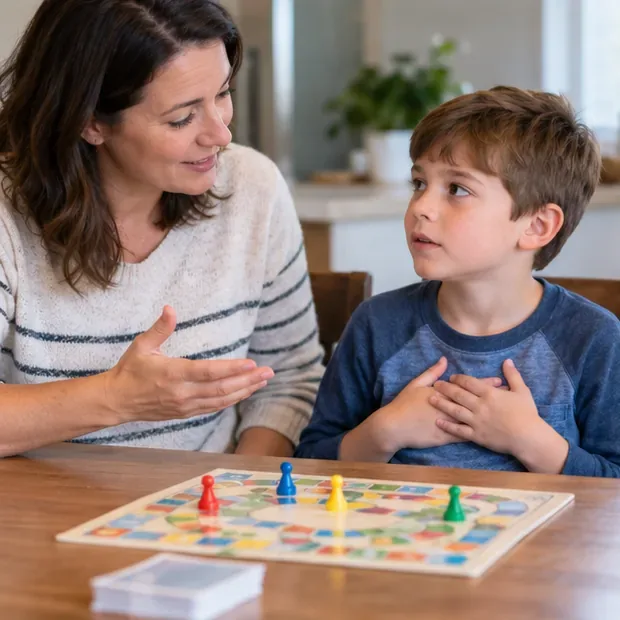
Teach children to handle losing without shame or explosive anger by validating feelings, setting behavior limits, modeling recovery, and practicing at the right difficulty.
A calm, practical plan for after-school meltdowns: reduce overload, keep limits clear, track patterns, coordinate with school, and know when to seek help.
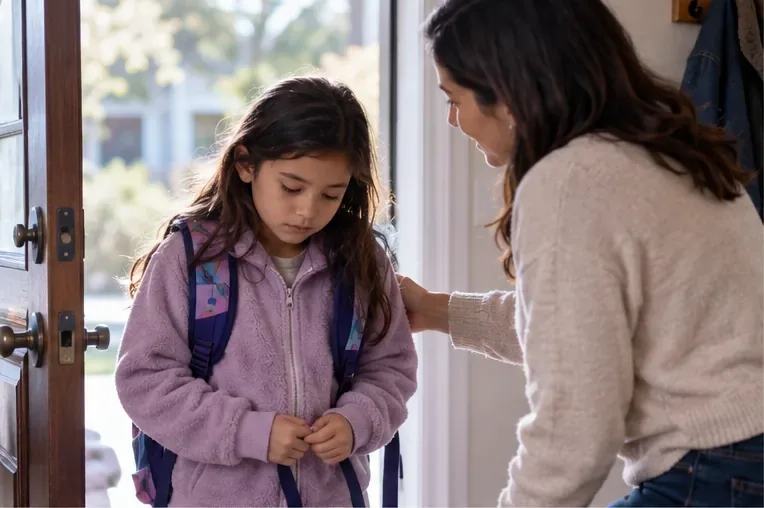
Learn how to respond when a child feels unwanted, ask supportive questions, recognize bullying or ongoing distress, and know when to seek extra help.
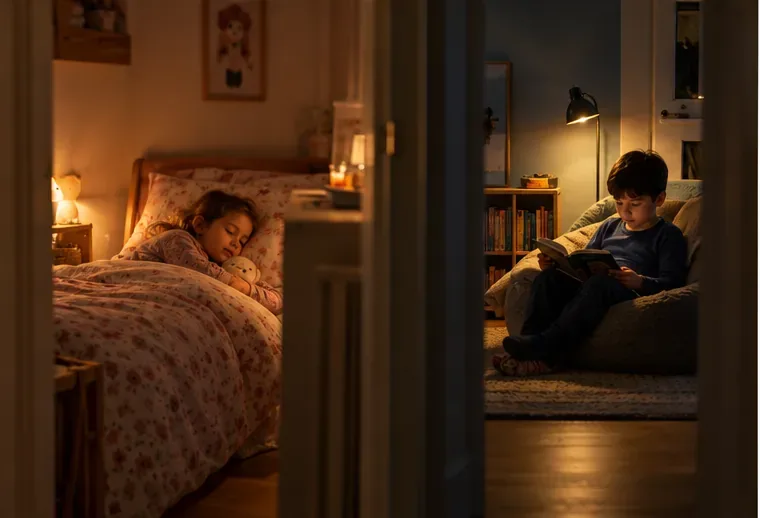
Learn how to set up a shared bedroom for siblings with different bedtimes, from planning around age-based sleep needs to creating separate sleep spaces and quiet routines.
Compare full-day, gradual, and temporary at-home return plans, plus health checks and school supports that can help a child reenter safely.
Learn when a child can try to solve a friendship problem, when adults should step in, and how to tell whether support is helping or needs to change.