How to Teach Chores Without Redoing Every Task for Your Child

Teach kids to do chores with fewer reminders: set a clear finish line, model one task, step back, and correct only what is unsafe or unfinished.

Tetanus is a serious disease in children. Without rapid treatment of tetanus in children, the disease can lead to death when the respiratory muscles stop working.
Tetanus is an infection caused by a bacterium Clostridium tetani. Tetanus bacteria spores are everywhere in the environment, including soil, dust, and feces. The spores will develop into bacteria when they enter the body.
This bacterium produces a nerve damaging toxin called tetanospasmin. The muscles controlled by these nerves become stiff and paralyzed. Types of tetanus include systemic, local and neonatal. Tetanus is not contagious and vaccines are available.
Spores can enter the body from an open wound in the skin, usually a wound caused by an infected object. Some skin wounds are more likely to become infected with tetanus, including:
Contaminated wounds, feces or saliva
Injuries caused by stepping on nails or needles
Burn
Crushed injury (crushed, partly crushed)
Injury to tissue death.
In rare cases, tetanus has also been linked to:
Clean the wounds on the surface
Surgical procedure
Insect bites
Tooth infection
Open fracture (fracture of a bone that has been sticking out)
Chronic infection
Using intravenous (IV) drugs
Intramuscular injection (intramuscular injection).
Although tetanus is not spread from person to person, it is common all over the world. The disease is usually concentrated in countries with hot and humid climates, fertile soil, and densely populated areas also create conditions for tetanus bacillus to proliferate.
The incubation period is from exposure to the tetanus bacteria - usually 3 to 21 days (average 10 days) although it can range from one day to several months depending on the type of wound. Most outbreaks occur within 14 days. In general, the shorter incubation period is usually wounds that are seriously infected, the disease gets worse, and have a poor prognosis.
The doctor will treat tetanus by removing the source of toxins, antitoxin, preventing and treating baby's muscle twitches, such as:
Rinse all wounds and remove dead tissue. Use antibiotics to kill bacteria
Your baby will be vaccinated with an anti-tetanus toxin called SAT (a type of immunoglobulin with human tetanus) to detoxify.
Diazepam and sedatives will help control seizures
Children need a tetanus vaccine, usually four shots starting before age 2 through age as directed by a doctor.
After you have been injured at risk of tetanus, you should give your child a preventive dose of medication right away
Infants need to be in a clean sanitary environment and with careful care for the umbilical cord
Parents should remember carefully the child's vaccination schedule so that the child can be immunized in a timely manner
If your baby has a stiff jaw, has difficulty swallowing, and has muscle twitching, a ventilator is needed.
Tetanus can last 2 to 3 months. Full recovery can take 4 months. Physiotherapy will help the affected muscles become healthy again.
Tetanus is a quite dangerous disease that can be life threatening. Therefore, if your child suffers from the above-mentioned injuries, please take him to a doctor right away so that he or she can be treated promptly.
Teach kids to do chores with fewer reminders: set a clear finish line, model one task, step back, and correct only what is unsafe or unfinished.
Learn why toilet-trained children may start having pee or poop accidents again, what patterns to track, how to respond calmly, and when to call the pediatrician.
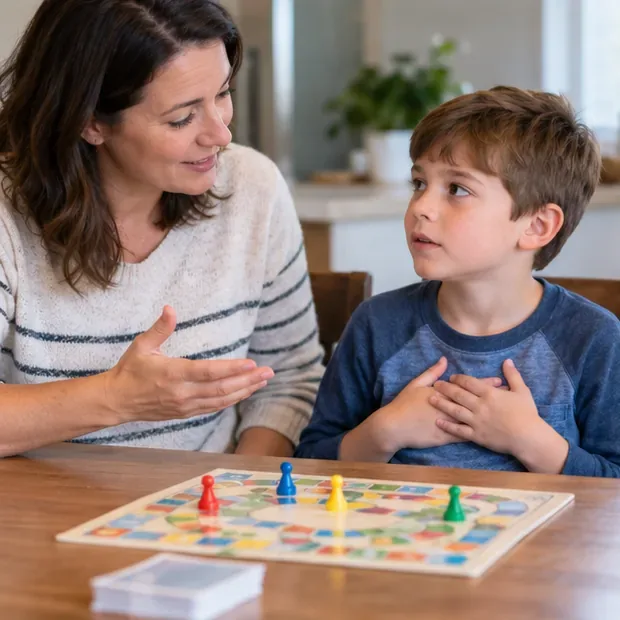
A child may repeat a reassurance question to process information, seek connection, or manage worry. Learn how to respond and when persistent anxiety needs support.
Learn how to set screen-time boundaries with predictable routines, warnings, calm follow-through, and better transitions—without turning every device handoff into a fight.
Teach children to handle losing without shame or explosive anger by validating feelings, setting behavior limits, modeling recovery, and practicing at the right difficulty.
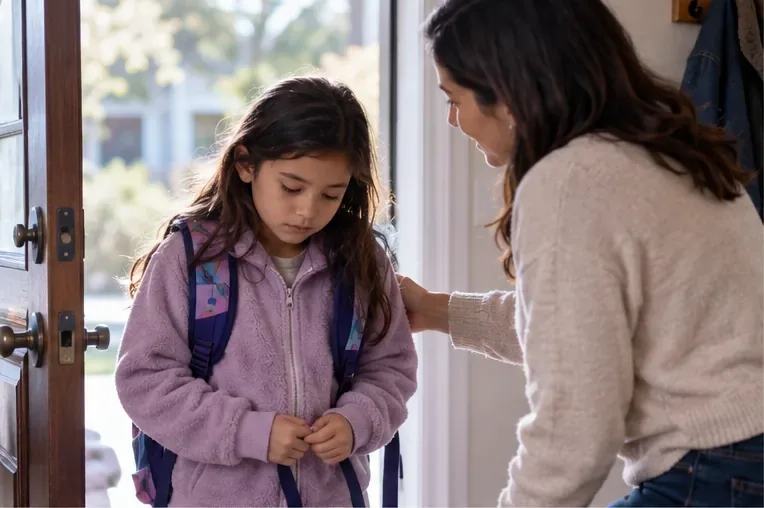
A calm, practical plan for after-school meltdowns: reduce overload, keep limits clear, track patterns, coordinate with school, and know when to seek help.
Learn how to respond when a child feels unwanted, ask supportive questions, recognize bullying or ongoing distress, and know when to seek extra help.
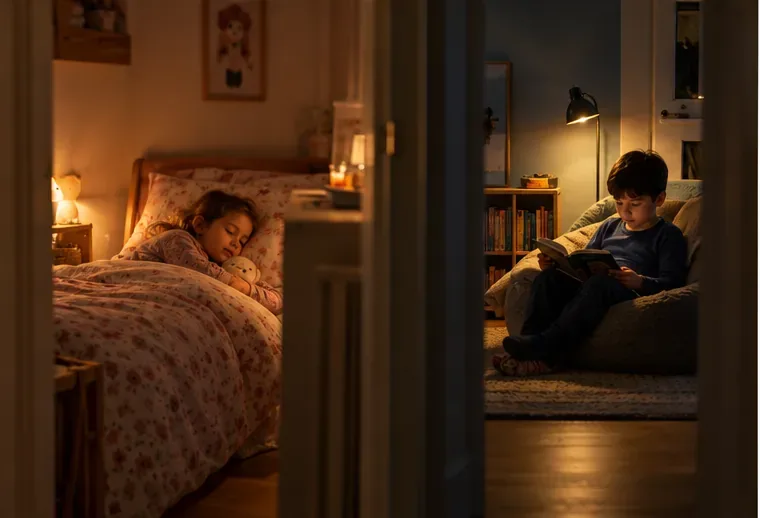
Learn how to set up a shared bedroom for siblings with different bedtimes, from planning around age-based sleep needs to creating separate sleep spaces and quiet routines.
Compare full-day, gradual, and temporary at-home return plans, plus health checks and school supports that can help a child reenter safely.
Learn when a child can try to solve a friendship problem, when adults should step in, and how to tell whether support is helping or needs to change.