How to Teach Chores Without Redoing Every Task for Your Child
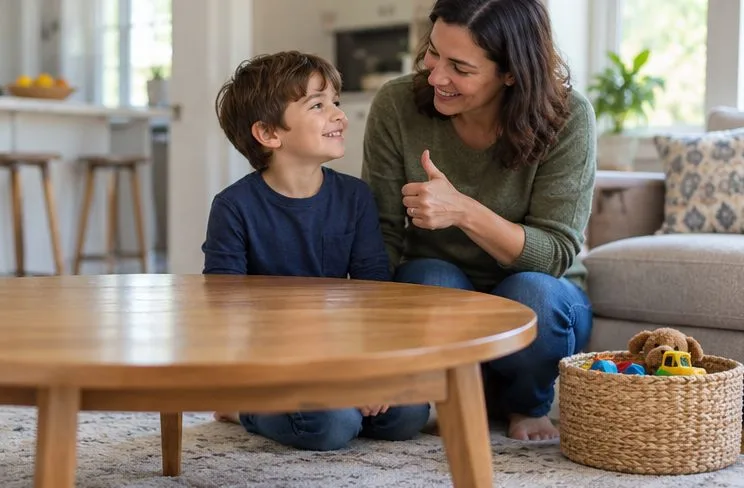
Teach kids to do chores with fewer reminders: set a clear finish line, model one task, step back, and correct only what is unsafe or unfinished.
Toenail fungus in young children is an infection of the toenail through cracks in the skin and nails and often causes itchiness.
Toenail fungus accounts for about half of all nail abnormalities. Even though it's not too serious, the disease still causes discomfort and is sometimes not easy to treat. Toenail fungus usually develops over time and is often difficult to detect in its early stages.
When sick, your baby will have difficulty walking or standing upright. More seriously, the fungus also spreads easily to nails and other skin areas, or even causes permanent damage if parents take it lightly and ignore it. In this article, aFamilyToday Health invites you to learn about the causes of toenail fungus in children and how to effectively treat them.
Toenail fungus comes in several different forms, these include:
Onychomycosis on the side and far below the nail (DSO): This is the most common fungal infection. The infection will start at the bottom of the foundation, then cause the nail to turn yellow or white.
White on the nail surface fungus (WSO): This condition affects the top layer of the nail and forms white spots on the nail surface and eventually covers the entire nail with a powder-like white layer.
Fungus on the toes: Yeast infections on the feet are quite rare and mainly affect the nails more than the toenails.
Fungal dermatosis increases the inflammation of the superficial fungal infection of the foot (Athlete's foot) , causing the skin layer between the toes to become infected and a rash that causes painful discomfort. Certain types of bacteria or fungi cause onychomycosis in children, which penetrate the skin through small stretch marks in the epidermis. In addition, children who have a habit of picking toenails are also more susceptible to fungal infections than other children.
In addition, there are a number of factors that increase the risk of onychomycosis appearing in young children such as:
Babies often wear shoes that block their nose, increasing their sweat glands to secrete and facilitating the overgrowth of fungus
Baby accidentally injures the toenails and allows harmful bacteria to penetrate below the nail surface easily.
Your baby has certain medical conditions, such as childhood diabetes or psoriasis. People with these conditions are at increased risk of their skin being affected by an onychomycosis.
Some of the symptoms of toenail fungus in children are:
The nails are thick
Toenails have a bad smell
Deformed toenails
Toenails appear small spots
Swollen and discolored nails
Yellow spots appear at the base of the toenails.
The most effective treatment for toenail fungus is still taking an antifungal medication. However, this remedy still has some side effects. Therefore, consult your doctor about what side effects include and how to improve your condition. In addition, your baby will also be prescribed topical medication. In addition, you need to keep your child's hands and feet hygienic to reduce the risk of infection.

In addition to the treatment options given by your doctor, you can also take home remedies to quickly reverse the disease:
Baking soda has a hygroscopic effect and reduces the risk of nail fungus. You can sprinkle a little baking soda inside your child's socks and shoes. Alternatively, use a supple mixture of baking soda mixed with water to apply directly to the affected nail for 10 minutes, then rinse it off. Repeat this measure several times a day until the condition subsides or disappears completely.
Vinegar is an easy to find food as well as effective in treating nail fungus. How to do it is quite simple: You just need to soak the baby's feet in a solution of vinegar and warm water for 15 to 20 minutes a day.
Like vinegar, mouthwash also has the ability to treat toenail fungus due to its antibacterial effect. To do this, simply use a cotton ball soaked in the mouthwash and apply it to your child's toe that has the infection.
The foods that babies love to consume all contribute to their health status. Therefore, please pay attention to this aspect and choose carefully for your baby's food. The good things for children's nails and toenails include:
Foods rich in vitamin D: milk, cereals, orange juice, egg yolks, cheese
Foods rich in fatty acids: Salmon, tuna, flaxseed, walnuts, oysters
Healthy foods: Regular yogurt and Greek yogurt
Iron-rich dishes: Liver, beef, broccoli, tofu
Protein-rich dishes: Lean meat, breast meat.
To prevent nail fungus in children, keep their hands and feet clean and dry. Regularly carry out a neat trimming for baby's fingernails and toenails and ensure that the shoes they usually wear are always dry, without unpleasant odors.
Teach kids to do chores with fewer reminders: set a clear finish line, model one task, step back, and correct only what is unsafe or unfinished.
Learn why toilet-trained children may start having pee or poop accidents again, what patterns to track, how to respond calmly, and when to call the pediatrician.
A child may repeat a reassurance question to process information, seek connection, or manage worry. Learn how to respond and when persistent anxiety needs support.
Learn how to set screen-time boundaries with predictable routines, warnings, calm follow-through, and better transitions—without turning every device handoff into a fight.
Teach children to handle losing without shame or explosive anger by validating feelings, setting behavior limits, modeling recovery, and practicing at the right difficulty.
A calm, practical plan for after-school meltdowns: reduce overload, keep limits clear, track patterns, coordinate with school, and know when to seek help.
Learn how to respond when a child feels unwanted, ask supportive questions, recognize bullying or ongoing distress, and know when to seek extra help.
Learn how to set up a shared bedroom for siblings with different bedtimes, from planning around age-based sleep needs to creating separate sleep spaces and quiet routines.
Compare full-day, gradual, and temporary at-home return plans, plus health checks and school supports that can help a child reenter safely.
Learn when a child can try to solve a friendship problem, when adults should step in, and how to tell whether support is helping or needs to change.