How to Teach Chores Without Redoing Every Task for Your Child

Teach kids to do chores with fewer reminders: set a clear finish line, model one task, step back, and correct only what is unsafe or unfinished.
Children begin to develop the hand-eye coordination movement needed to feed themselves at 8-11 months of age. If your baby tries to reach for your spoon or imitate it while you are eating, your baby is ready for parents to teach him or her to eat with a spoon.
In fact, some kids won't master spoon-using skills until they are four years old. However, with a bit of patience and a positive attitude, you can encourage your child to use a spoon instead of picking up his fingers as before. Teaching your baby to eat with a spoon will help your baby improve the development of rough and fine motor skills.
Prepare foods your baby can easily scoop with, such as baby cereal or banana mashed. If you are feeding your baby powdered food , mix it in a slightly thick ratio or add 2-3 tablespoons of vegetables to prevent the powder from falling off the spoon too quickly.
Give your child a spoon and have a similar one in your hand. Bring the spoon closer to the mouth to show your baby how to use it. Let your child practice with his spoon a few times or if he wants to take the spoon you are eating, just give it to him.
Scoop the food into the bowl and encourage your baby to dip the spoon inside. Help your child scoop the food into the spoon if he has trouble or scoop some food into the spoon you are holding and give it to him.
Praise your baby for using the spoon correctly and stay calm, don't nag when your baby drops food. Let your child scoop the next spoon and continue exercising until the meal is over.
In addition, you should also make sure your baby is eating well enough. If most of your baby's food falls on the floor, offer it until it's almost finished. After that, you will teach your baby to eat with a spoon with some remaining food.
Many parents believe that teaching children to eat with a spoon as soon as possible. However, you should wait until the baby is 1 - 2 years old for him to perfect his grasping and learning skills and be able to sit still.
Forging children to eat well is a process. Therefore, you should not be too rushed when starting to use a spoon for your baby. You can let your baby eat with one hand and spoon in the other hand. Encourage your child to use a spoon to grab food instead of holding his or her hand and forcing him to eat with a spoon.
Sometimes you will want to feed your baby first so you can eat it right after. However, let your child sit and eat with your family when it's time to eat. Your baby will observe how parents or siblings use a spoon to take food and practice to follow. Although things are a bit messy at first, please do your best.
Instead of using spoons that are too small and your baby might get too deep into the throat and hurt, choose a spoon that is slightly larger. In addition, should give preference to plastic or wood products, avoid disposable plastic scoops.
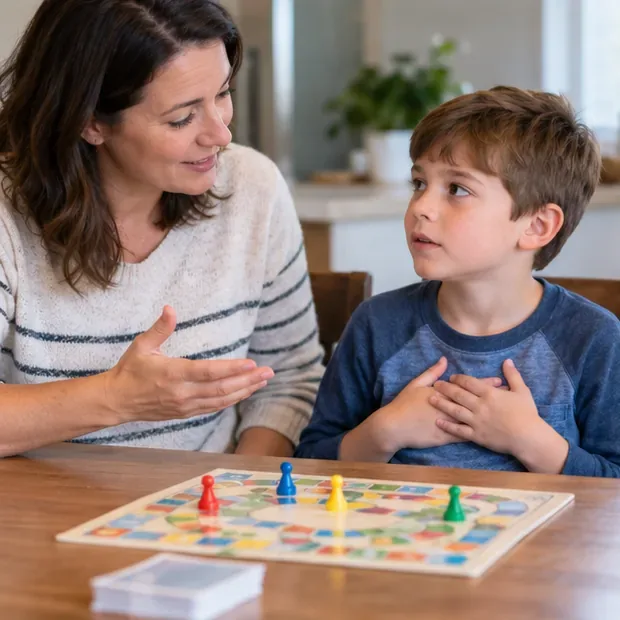
Teach kids to do chores with fewer reminders: set a clear finish line, model one task, step back, and correct only what is unsafe or unfinished.
Learn why toilet-trained children may start having pee or poop accidents again, what patterns to track, how to respond calmly, and when to call the pediatrician.
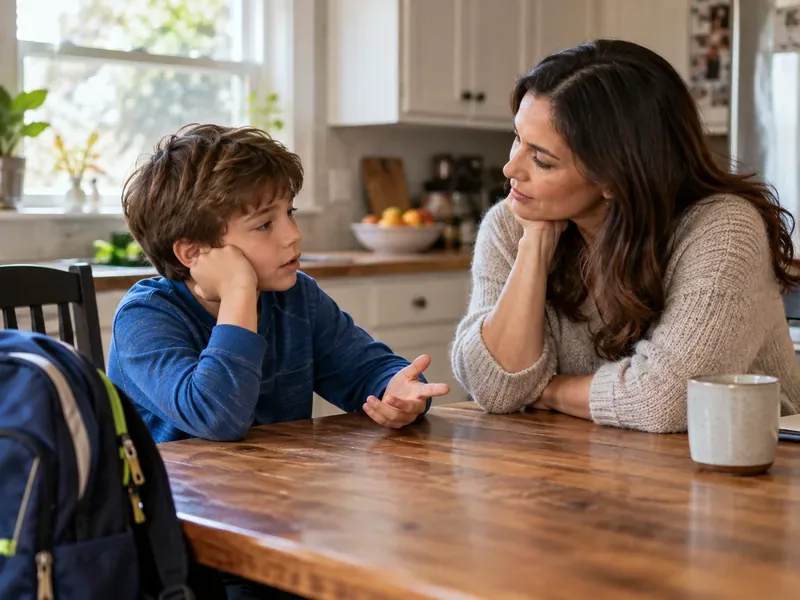
A child may repeat a reassurance question to process information, seek connection, or manage worry. Learn how to respond and when persistent anxiety needs support.
Learn how to set screen-time boundaries with predictable routines, warnings, calm follow-through, and better transitions—without turning every device handoff into a fight.
Teach children to handle losing without shame or explosive anger by validating feelings, setting behavior limits, modeling recovery, and practicing at the right difficulty.
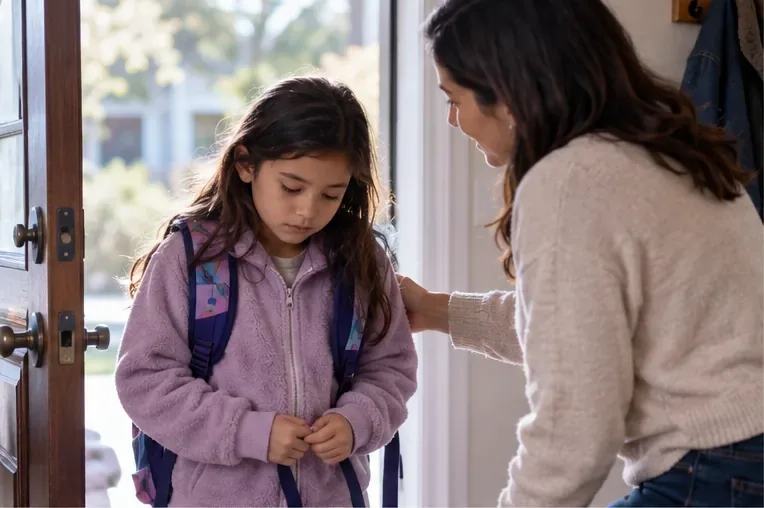
A calm, practical plan for after-school meltdowns: reduce overload, keep limits clear, track patterns, coordinate with school, and know when to seek help.
Learn how to respond when a child feels unwanted, ask supportive questions, recognize bullying or ongoing distress, and know when to seek extra help.
Learn how to set up a shared bedroom for siblings with different bedtimes, from planning around age-based sleep needs to creating separate sleep spaces and quiet routines.
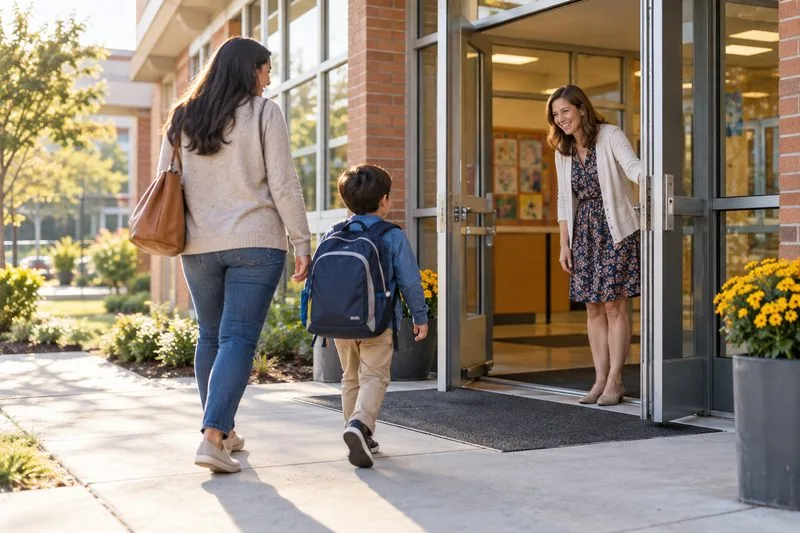
Compare full-day, gradual, and temporary at-home return plans, plus health checks and school supports that can help a child reenter safely.
Learn when a child can try to solve a friendship problem, when adults should step in, and how to tell whether support is helping or needs to change.