How to Teach Chores Without Redoing Every Task for Your Child

Teach kids to do chores with fewer reminders: set a clear finish line, model one task, step back, and correct only what is unsafe or unfinished.

Many parents often check their baby's temperature by touching their forehead, but that is not considered the correct way to check their baby's temperature.
Today, thermometers are considered a popular medical instrument to assist parents in determining their baby's temperature, especially when their baby is sick. However, not all thermometers are suitable for babies and not everyone knows how to use a thermometer scientifically. The following article will help parents understand this problem.
Health experts recommend that parents use a digital thermometer to check the baby's temperature instead of a mercury thermometer. Parents should not use a mercury thermometer to avoid mercury poisoning. One thing to keep in mind when using a thermometer is that the reading on the thermometer you read may be misleading due to the way you measure it or other factors. If your baby's temperature changes or there are signs of illness, you should take your baby to the doctor to be diagnosed and have the most effective treatment!
If your baby has a fever, you need to check exactly what his or her temperature is. Therefore, the most optimal choice is a digital thermometer. Digital thermometer is easy to use, easy to read and quick to read. You can accurately check your baby's temperature in 10 seconds to 2 minutes. Some places you can check your baby's temperature are the anus, mouth or armpits.
You can read the most accurate temperature test results and the best tool for measuring body temperature is an anal thermometer. A more expensive option is an electronic forehead thermometer. This thermometer uses an infrared scanner to measure temperature with a simple swipe on the forehead. The ear thermometer is more difficult to use.
Some other methods of temperature measurement that doctors recommend are using a attachment thermometer such as a nipple or sensor thermometer. This type is used on the forehead area, but the results are often inaccurate. Regardless of the method you use, your baby's temperature should not be checked immediately after the baby's bath, as body temperature can suddenly rise. It's best to wait 20 minutes after showering and start taking your temperature. For the most accurate results, you should undress your baby before measuring.
If your child is younger than 3 years old, you should use an anal thermometer method for best results. First, clean the end of the thermometer with rubbing alcohol or soap and water. Then, rinse with cool water, note that you should not wash with hot water. Then, you put a small amount of lubricant, such as a moisturizer, on the end of the thermometer.
Parents need to place their baby's belly on their lap or on a stable surface. On the other hand, you turn on the thermometer on and insert it into your anus about 1.5−2.5 cm, take care not to push the thermometer too deeply. Gently hold the thermometer in this position with 2 fingers for about 1 minute, until you hear a "beep" sound. Then take it out and check the number shown on the thermometer.
When your baby is 4 or 5 years old, parents can take a baby's temperature by mouth. First, clean the thermometer with warm soapy water or rubbing alcohol, then rinse it with cool water. Then turn on the thermometer and place the thermometer tip under your baby's tongue.
Hold in position for about 1 minute until you hear “beep, beep” sound. Parents can now read the results. For accurate results, parents need to wait at least 15 minutes after a baby has consumed a certain hot or cold beverage before placing the thermometer in the mouth.
Checking your baby's temperature correctly helps parents know some health problems they may experience such as fever or heat stroke. Therefore, parents do not hesitate to equip a suitable thermometer, which is safe and easy to use in their family medicine cabinet!
Teach kids to do chores with fewer reminders: set a clear finish line, model one task, step back, and correct only what is unsafe or unfinished.
Learn why toilet-trained children may start having pee or poop accidents again, what patterns to track, how to respond calmly, and when to call the pediatrician.
A child may repeat a reassurance question to process information, seek connection, or manage worry. Learn how to respond and when persistent anxiety needs support.
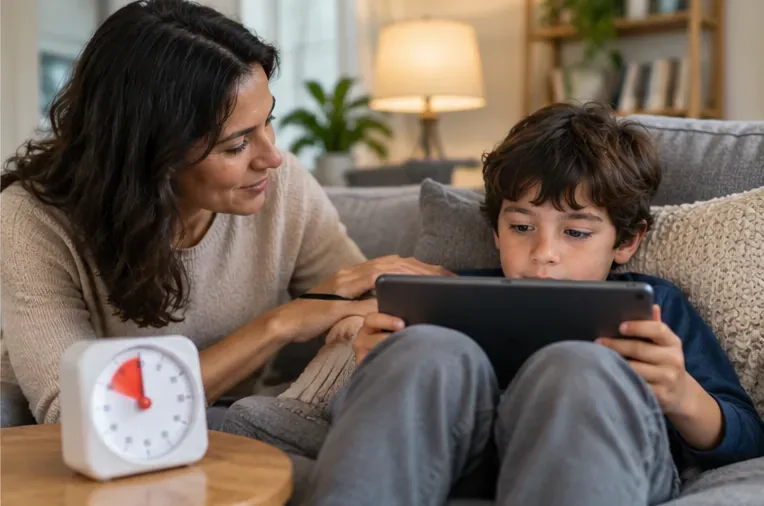
Learn how to set screen-time boundaries with predictable routines, warnings, calm follow-through, and better transitions—without turning every device handoff into a fight.
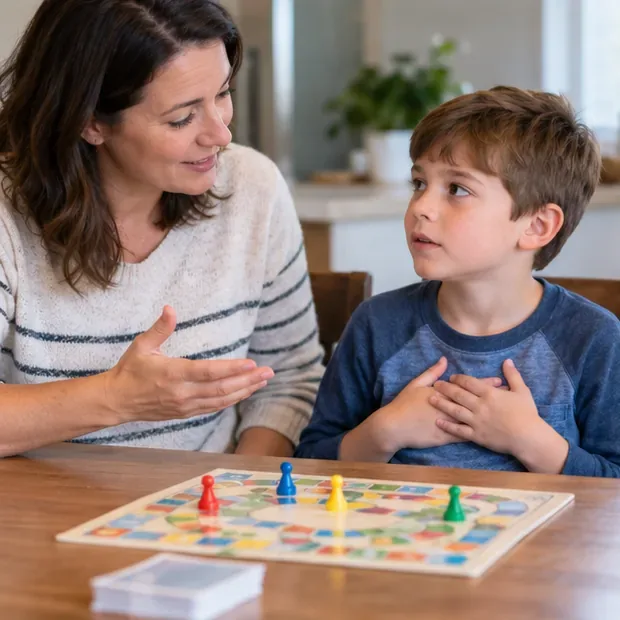
Teach children to handle losing without shame or explosive anger by validating feelings, setting behavior limits, modeling recovery, and practicing at the right difficulty.
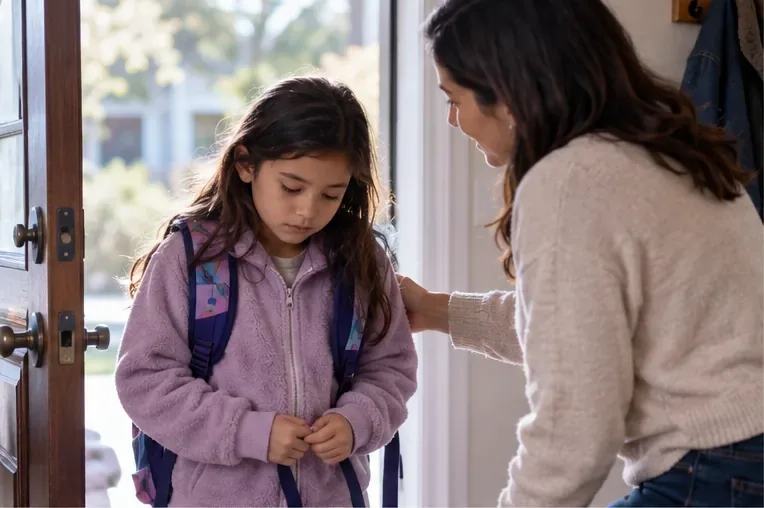
A calm, practical plan for after-school meltdowns: reduce overload, keep limits clear, track patterns, coordinate with school, and know when to seek help.
Learn how to respond when a child feels unwanted, ask supportive questions, recognize bullying or ongoing distress, and know when to seek extra help.
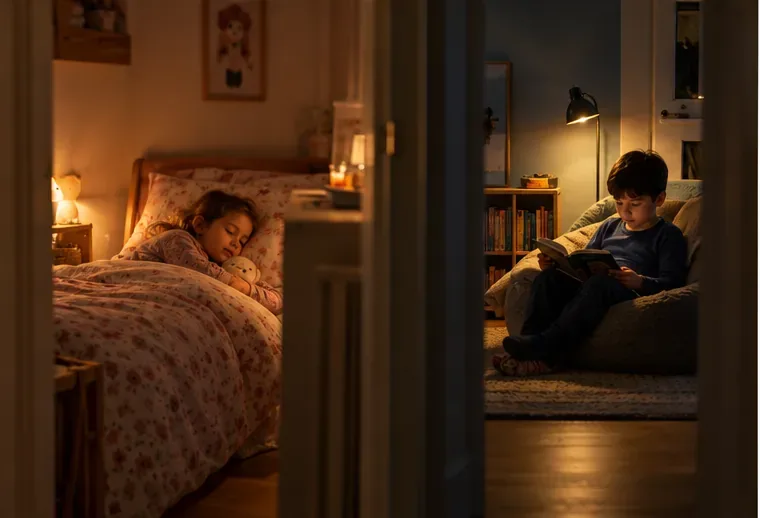
Learn how to set up a shared bedroom for siblings with different bedtimes, from planning around age-based sleep needs to creating separate sleep spaces and quiet routines.
Compare full-day, gradual, and temporary at-home return plans, plus health checks and school supports that can help a child reenter safely.
Learn when a child can try to solve a friendship problem, when adults should step in, and how to tell whether support is helping or needs to change.