How to Teach Chores Without Redoing Every Task for Your Child

Teach kids to do chores with fewer reminders: set a clear finish line, model one task, step back, and correct only what is unsafe or unfinished.

While tickling is one of the most common forms of parental play with their children, it can negatively affect the child's thinking.
People still misunderstand that tickling is very harmless and does not affect anyone. In fact, if subjective, this game brings many negative effects that make you impossible. If you are wondering why, let's find out with aFamilyToday Health .
Although many parents often tickle their baby in a certain position or parts of the body just because they want them to laugh, this does not mean they enjoy this prank. When tickled, you easily laugh. This is your body's automatic response like a foreign body has entered your nose, and you will be sneezing. So, understand that a joke that you think is fun can make your child not excited even if he laughs.
Babies in their toddler age or a little older cannot understand and tell their parents if they like tickling or not. However, if you force your child to participate in this joke, you will accidentally cause your baby to have problems with body control. From a child's point of view, you would think that adults have the right to do something they want on the baby's body even if the child has asked to stop it.
In addition to care, parents need to educate their children about the idea that only babies can control their own bodies, not others. If someone wants to hug or shake the child's hand, they will have to consult the child first, thereby reducing the risk of the baby being abused. You will also know which adult actions are not correct and respond immediately.
One study found that early teaching of self-determination is an important life skill , affecting the child's personality development in the future. Research results also show that if parents approach their children more comfortably and let their children find out what they want to do, it will help their children to have independent thinking. Therefore, children will know how to express their consent or objections if parents want to tickle or someone else accidentally touches the child too intimately.
Instead of tickling, you can refer to a few suggestions to have fun with your child:
Reading: Ask your baby if he or she wants to sit on their parents' lap and read their favorite fairy tales together.
Massage: Some babies will benefit from massage, which helps to soothe a newborn's mood, aid in weight gain and control body temperature. Parents can apply this activity to toddlers.
Action games: If your goal is to have fun connecting with your child through movement, try games like blindfolding, catching goats, hide and seek ...
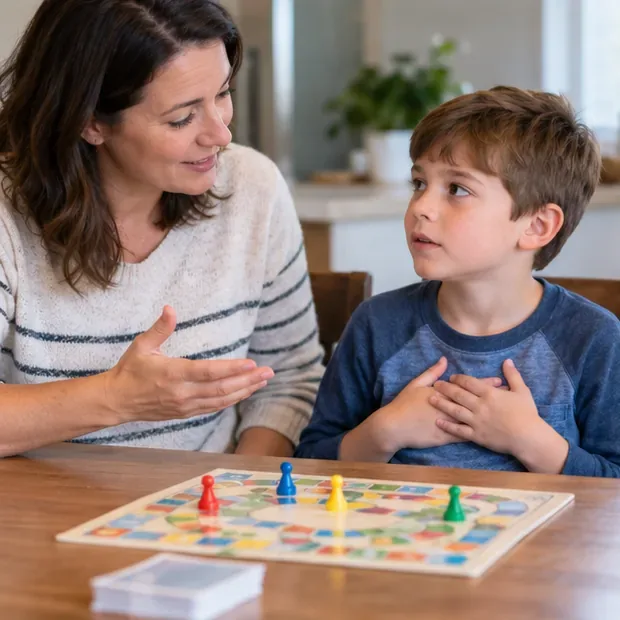
Teach kids to do chores with fewer reminders: set a clear finish line, model one task, step back, and correct only what is unsafe or unfinished.
Learn why toilet-trained children may start having pee or poop accidents again, what patterns to track, how to respond calmly, and when to call the pediatrician.
A child may repeat a reassurance question to process information, seek connection, or manage worry. Learn how to respond and when persistent anxiety needs support.
Learn how to set screen-time boundaries with predictable routines, warnings, calm follow-through, and better transitions—without turning every device handoff into a fight.
Teach children to handle losing without shame or explosive anger by validating feelings, setting behavior limits, modeling recovery, and practicing at the right difficulty.
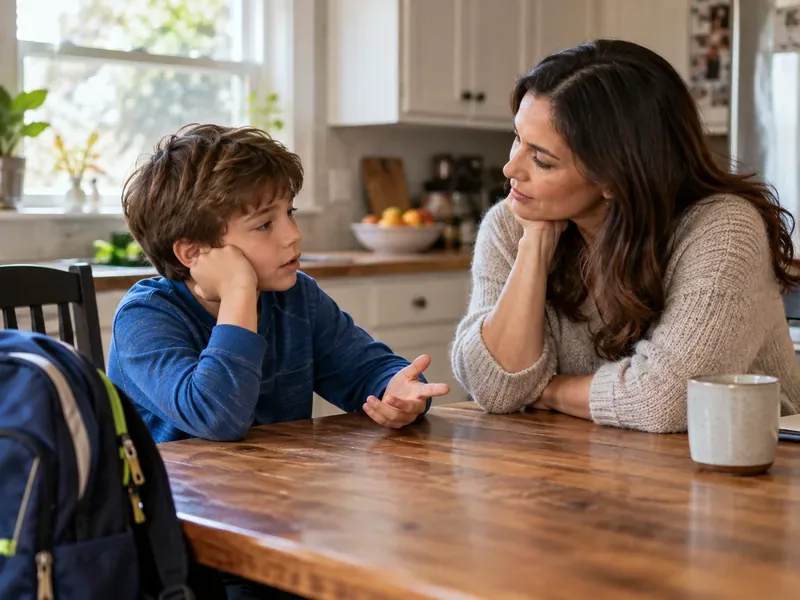
A calm, practical plan for after-school meltdowns: reduce overload, keep limits clear, track patterns, coordinate with school, and know when to seek help.
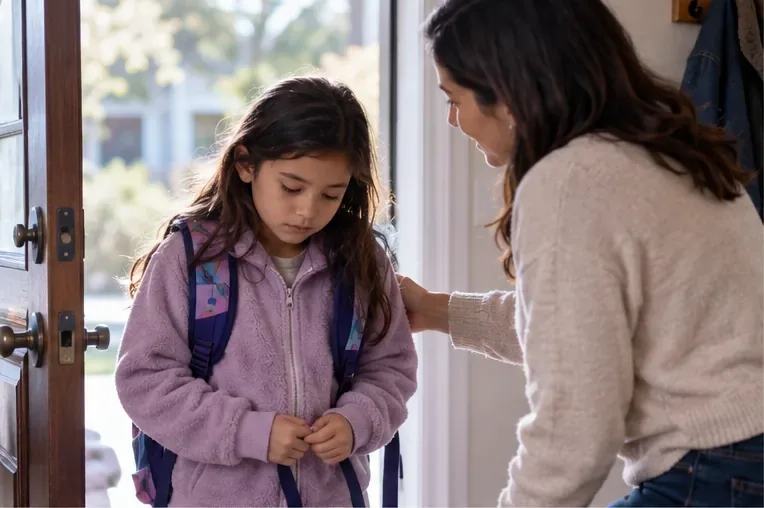
Learn how to respond when a child feels unwanted, ask supportive questions, recognize bullying or ongoing distress, and know when to seek extra help.
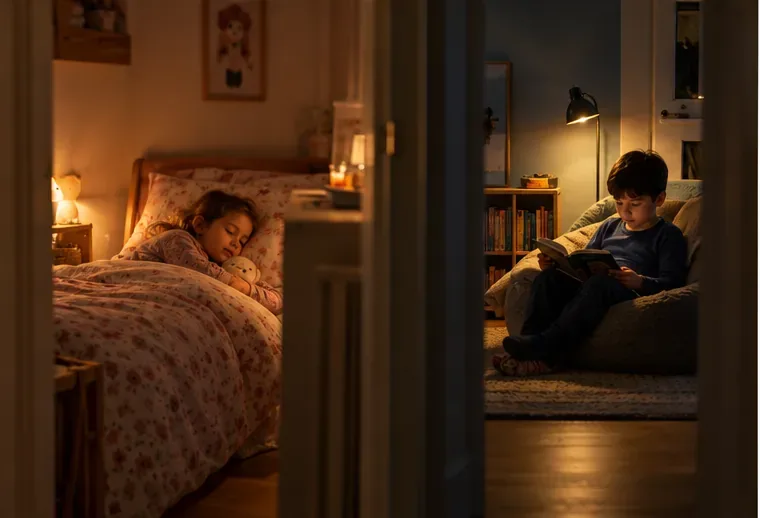
Learn how to set up a shared bedroom for siblings with different bedtimes, from planning around age-based sleep needs to creating separate sleep spaces and quiet routines.
Compare full-day, gradual, and temporary at-home return plans, plus health checks and school supports that can help a child reenter safely.
Learn when a child can try to solve a friendship problem, when adults should step in, and how to tell whether support is helping or needs to change.