How to Teach Chores Without Redoing Every Task for Your Child

Teach kids to do chores with fewer reminders: set a clear finish line, model one task, step back, and correct only what is unsafe or unfinished.
The skin is the organ that occupies the largest area of the body and is the first place in contact with the outside environment, so it is not difficult to understand that the skin is home to millions of bacteria. However, skin bacteria will often have both good and bad bacteria to create a balance for the biological barrier of the skin's resistance function.
The skin - with its function of skin resistance - is known as the miraculous "armor" that protects the body against harmful agents, especially pathogenic bacteria. However, according to research, each centimeter of skin has up to 1 million bacteria reside. Have you ever wondered what bacteria are on your skin? If the answer is "yes", the following sharing of aFamilyToday Health will be the information that makes you very surprised.
According to research, the skin is home to more than 500 different species of bacteria, including beneficial bacteria and bad bacteria that cause harm to the body. These two types of bacteria on the skin will inhibit each other to create a balance to help the body fight against external threats, also known as a biological barrier in the skin's defense mechanism to protect. body from pathogenic bacteria.
Each area of skin has different species of bacteria inhabiting it depending on the conditions of each area, such as the head, neck and body where there is usually a lot of sebum, the areas where folds are often wet, and areas of the wing hands and feet are often dry. Here are some common types of bacteria:
P. acnes is an anaerobic strain that likes to grow in low oxygen environments. This bacterium uses its sebum as a source of energy to feed itself. When the skin is not clean, sebum accumulates more and more, clog pores. This is the ideal environment for this bacteria to multiply. If they multiply to a certain extent, they will cause inflammation, leading to pustules or, worse, blisters.
The genus Corynebacterium contains both pathogenic and non-pathogenic bacteria. Specifically, the Corynebacterium Diphtheriae bacteria of this genus is the main cause of diphtheria , an infection that primarily affects the throat, nasal mucosa and skin damage. If not treated early, the disease can cause serious damage to the kidneys, heart and nervous system.
Staphylococcus cholermidis bacteria are harmless and rarely cause disease "inhabitants". Not only that, this type of bacteria also creates a biological barrier that protects the skin from harmful agents such as pollution, chemicals, dust and other harmful bacteria.
However, when the balance is broken, the bacteria can enter the body and damage the immune system. This type of bacteria is very common in hospitals because it often proliferates in people who have been using a catheter for a long time or who are using prosthetics.
Staphylococcus aureus is a common skin bacteria, often concentrated in the nasal cavity and respiratory tract. It can be said that staph is one of the most famous bacteria, which is interested in research by many microbiologists because of its very high rate of disease and, in particular, this bacterium is very resistant to antibiotics. strong.
Staphylococcus aureus is very high because this bacterium is surrounded by a molecular layer of cell adhesion. If the skin's resistance function is not properly cared for, these bacteria can enter the body, causing infections and other serious, and even more serious diseases, leading to death. death.
Streptoccocus spp. Is commonly found in the skin and throat. Normally, in healthy people, they won't do much harm, however, for those with immune disorders, or "shaky" skin resistance caused by many factors, streptococci may be redundant. chance to attack.
This type of bacteria can cause mild to severe infections, and can even cause life-threatening illnesses. Some common diseases are strep throat , impetigo, toxic shock syndrome, sepsis, and acute rheumatic fever .

The microbiota on the skin is very susceptible to changes due to harmful external factors such as pollution, dust, chemicals ... and unhealthy living habits such as smoking, drinking alcohol, working too hard. Straight, or anxious ... This reduces the strength of the biological barrier, thereby affecting the skin's ability to be resistant to the skin, making the skin more susceptible to attack by external factors.
Not only that, more dangerous, a "legion" of harmful bacteria residing in the skin will "take advantage" of this opportunity to enter the body, causing a number of diseases such as colds, flu, infections. respiratory tract, gastrointestinal infection and more severe may be blood infection ...
To take better care of skin resistance, avoid the imbalance of the microbiota on the skin, you need to pay more attention to skin care, maximizing the protective role of skin resistance. Specifically, you should:
Build a nutritious diet, eat lots of green vegetables and fruits
Maintain a healthy lifestyle, do not smoke, drink alcohol, and do not overwork
Exercise regularly.
In addition to maintaining a healthy lifestyle, in order to enhance skin resistance, you need to pay special attention to proper body hygiene with the right skin care products to help remove dirt and reduce the development of dirt. Overgrowth of pathogenic bacteria on the skin without damaging beneficial bacteria, ensuring the integrity of the biological barrier in skin resistance, promoting the protective power of skin resistance.
Teach kids to do chores with fewer reminders: set a clear finish line, model one task, step back, and correct only what is unsafe or unfinished.
Learn why toilet-trained children may start having pee or poop accidents again, what patterns to track, how to respond calmly, and when to call the pediatrician.
A child may repeat a reassurance question to process information, seek connection, or manage worry. Learn how to respond and when persistent anxiety needs support.
Learn how to set screen-time boundaries with predictable routines, warnings, calm follow-through, and better transitions—without turning every device handoff into a fight.
Teach children to handle losing without shame or explosive anger by validating feelings, setting behavior limits, modeling recovery, and practicing at the right difficulty.
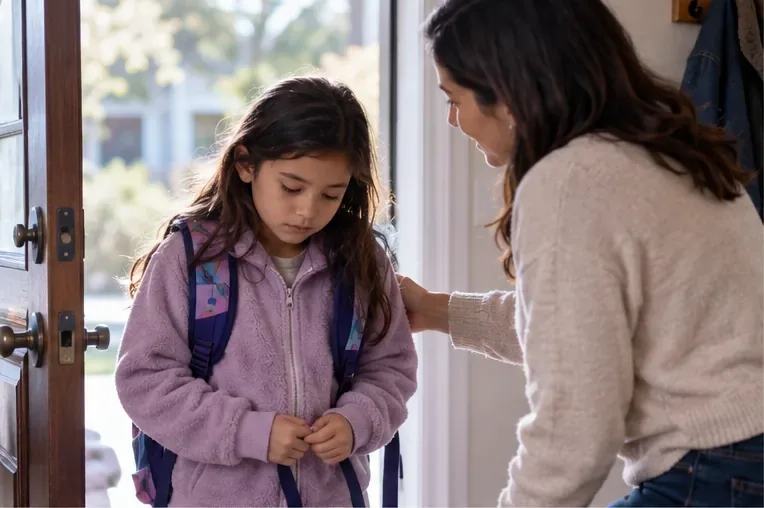
A calm, practical plan for after-school meltdowns: reduce overload, keep limits clear, track patterns, coordinate with school, and know when to seek help.
Learn how to respond when a child feels unwanted, ask supportive questions, recognize bullying or ongoing distress, and know when to seek extra help.
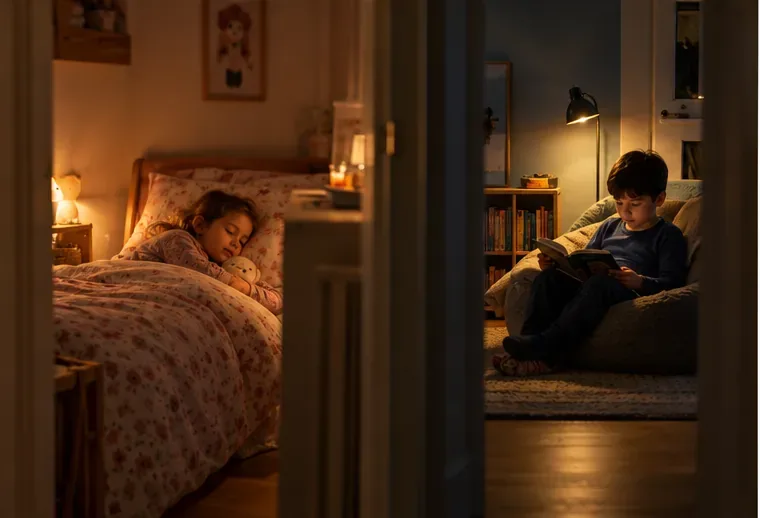
Learn how to set up a shared bedroom for siblings with different bedtimes, from planning around age-based sleep needs to creating separate sleep spaces and quiet routines.
Compare full-day, gradual, and temporary at-home return plans, plus health checks and school supports that can help a child reenter safely.
Learn when a child can try to solve a friendship problem, when adults should step in, and how to tell whether support is helping or needs to change.