How to Teach Chores Without Redoing Every Task for Your Child

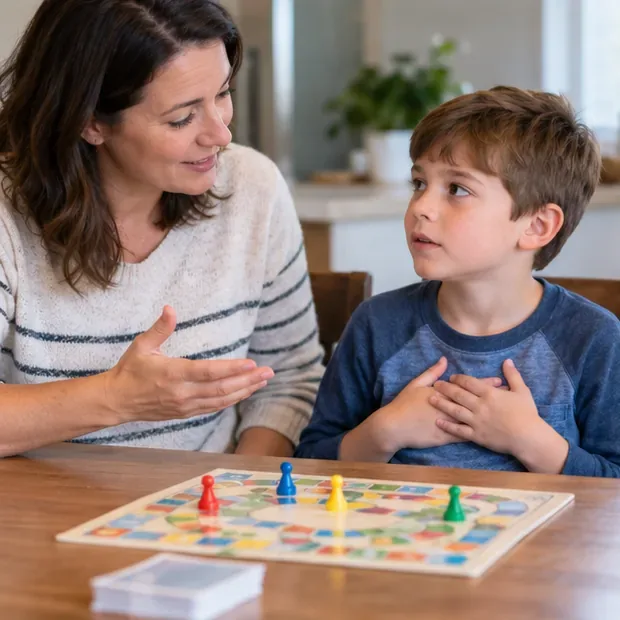
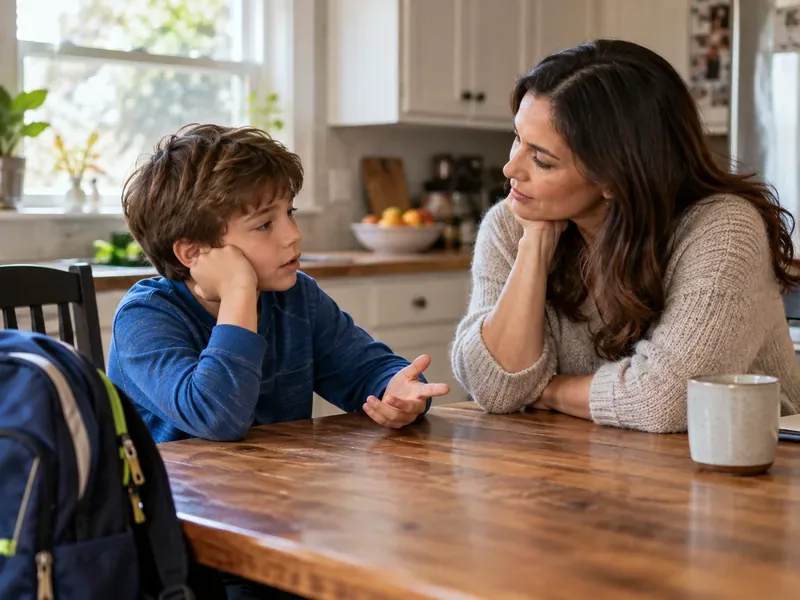
Teach kids to do chores with fewer reminders: set a clear finish line, model one task, step back, and correct only what is unsafe or unfinished.

Vitamins play an important role for the development of infants and children, especially children aged 0−12. Vitamins help ensure stable and balanced development in the early years of children.
Vitamins are a group of microbiological molecules with different chemical composition with different chemical and physical properties, but the same thing is that they are essential for living activities, especially for growth. of children.
Vitamins are divided into two main groups:
Water-soluble vitamins: Vitamins B and C.
Vitamins that are insoluble in water include A, D, E, K, and F (but they are oil soluble).
Vitamins A, B, C, D, E, K play an important role in converting nutrients into energy for the body and increasing resistance in children.
Vitamin A: good for eyesight, reduces the risk of eye diseases, especially night blindness. In addition, vitamin A is essential for the development of bones and reproductive organs.
Vitamin B: helps to create enzymes important in enhancing the body's ability to metabolize sugars, fats, and proteins. In addition, vitamin B1 also stimulates appetite in children.
Vitamin C: helps develop and maintain bones, teeth, gums, ligaments, blood vessels, increases the ability to prevent infection, reduces harmful substances to the body and toxins produced by the body. It also helps prevent anemia.
Vitamin D: helps regulate and metabolize calcium in the body, helping to strengthen healthy teeth.
Vitamin E: helps the body fight oxidation, beautifies the skin, protects cell membranes and increases resistance, helps to remove toxins from the body.
Vitamin K: helps ensure blood clotting. In addition, vitamin K can also work with calcium to help strengthen bones.
Vitamins are involved in the body's metabolism, including enzymes, synthesis, use and metabolism of nutrients in cells and the body. Adequate supplementation of vitamins in general and B vitamins in particular will ensure stable and balanced development in the early years of children.
Vitamins are found in many of the foods you eat every day, so you should include green vegetables, fruits and fruits in your baby's diet. However, it is difficult for the baby's body to get necessary micronutrients because the quality of food decreases due to the cultivation process (pesticides, weight gainers, fertilizers ...), packaging, transportation, preservation prolonged or too much washing or through frying and stir-frying significantly reduces the vitamin content. For malnourished and slow-growing children, vitamin supplementation is essential.
For obese children on the diet, the absorption of vitamins A, D, E and K will be poor because they are fat-soluble vitamins.
Often, children are rarely deficient in just one vitamin, often with multiple deficiencies. That is why parents should supplement vitamins for babies, especially from the period of birth to 12 years old - the golden period for physical and mental development. If the child is not getting the necessary vitamins during this time, it will be more difficult to provide the nutrition afterwards.
Natural sources of vitamins are very rich and easy to find. However, in a picky child, you should add multivitamins and supplements that contain lysine. These substances help your baby eat better, prevent dehydration and speed recovery by providing enough nutrients to improve the immune system .
Teach kids to do chores with fewer reminders: set a clear finish line, model one task, step back, and correct only what is unsafe or unfinished.
Learn why toilet-trained children may start having pee or poop accidents again, what patterns to track, how to respond calmly, and when to call the pediatrician.
A child may repeat a reassurance question to process information, seek connection, or manage worry. Learn how to respond and when persistent anxiety needs support.
Learn how to set screen-time boundaries with predictable routines, warnings, calm follow-through, and better transitions—without turning every device handoff into a fight.
Teach children to handle losing without shame or explosive anger by validating feelings, setting behavior limits, modeling recovery, and practicing at the right difficulty.
A calm, practical plan for after-school meltdowns: reduce overload, keep limits clear, track patterns, coordinate with school, and know when to seek help.
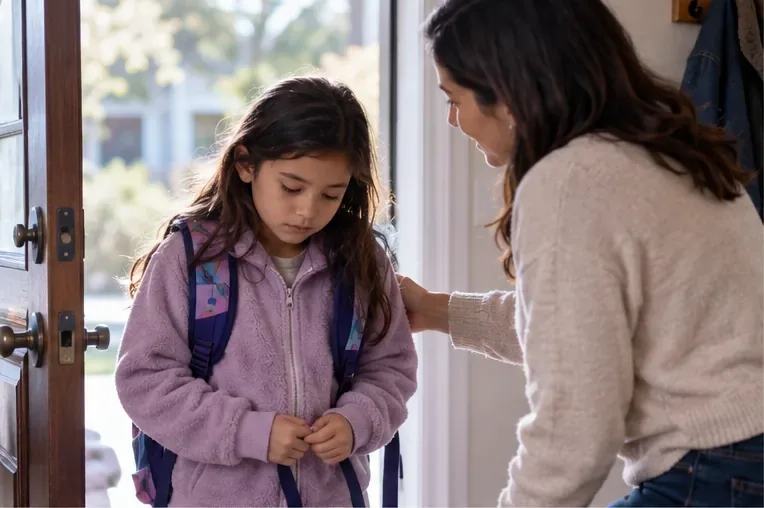
Learn how to respond when a child feels unwanted, ask supportive questions, recognize bullying or ongoing distress, and know when to seek extra help.
Learn how to set up a shared bedroom for siblings with different bedtimes, from planning around age-based sleep needs to creating separate sleep spaces and quiet routines.
Compare full-day, gradual, and temporary at-home return plans, plus health checks and school supports that can help a child reenter safely.
Learn when a child can try to solve a friendship problem, when adults should step in, and how to tell whether support is helping or needs to change.