How to Teach Chores Without Redoing Every Task for Your Child
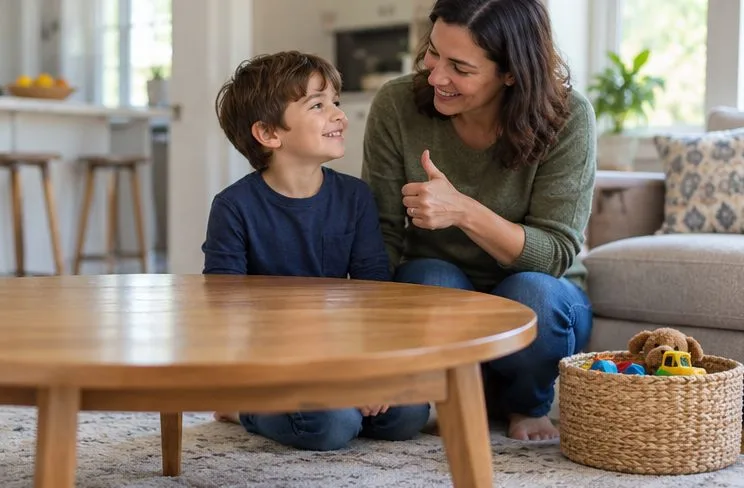
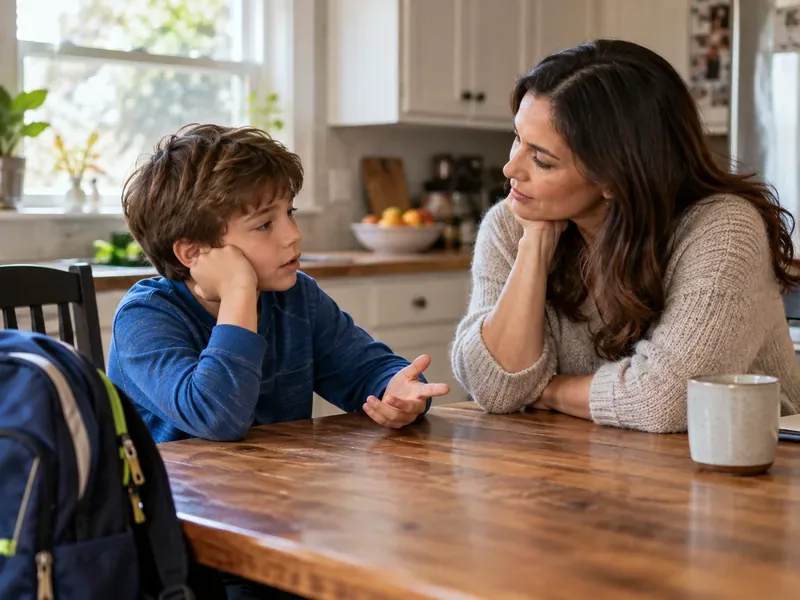
Teach kids to do chores with fewer reminders: set a clear finish line, model one task, step back, and correct only what is unsafe or unfinished.

Fever is a common condition in young children. Is it an important issue? What signs when a child needs fever? What causes fever in children? The following article will help you better understand the child's fever.
Sometimes you get nervous when your child's body temperature is high. In fact, this issue is not always dangerous. Fevers are quite common and can go away on their own without treatment.
Fever is not an illness and is not always harmful. A fever is sometimes considered a good sign because it shows your child's body is fighting off the infection. Not all fevers require fever reduction. However, high fevers can irritate your child and cause dehydration.
Fever is caused by the hypothalamus in the brain that is driving the baby's temperature to rise (the hypothalamus also controls the feeling of hunger and thirst). This area will know exactly what temperature is needed for the body and send signals to the entire body. In an abnormal case, the brain will require changes in temperature to hinder the growth of bacteria or viruses during an infection. Some scientists believe that high temperatures can stimulate certain enzymes in the body to work more efficiently, making the body stronger. You can use a thermometer to check if your child has a fever.
Most fevers are caused by an infection or other medical condition. Common cases leading to fever include:
Pneumonia
Cold
Ear infections
Scarlet fever
Tonsillitis
Nephritis or urinary tract infection
Young illnesses like chickenpox or whooping cough.
A child's temperature can also rise after getting the vaccine or sleeping too much or wearing layers of clothes.
Contact a pediatrician immediately if your child shows signs of:
Under three months of age and fever at or above 38oC (101oF).
Between 3 to 6 months of age and fever at or above 39oC (102oF).
When these signs show up, you should go to the emergency room right away if your child:
Pale look
Daydreaming becomes too disruptive
Weakened immune system or other medical problems
Convulsions
Have other symptoms such as rash, sore throat, headache, stiff neck or ear pain.
If your child becomes bored, doesn't bother playing, he may have a serious illness,
Sometimes a fever is a sign of serious medical problems, and fever may include:
Shortness of breath
Vomiting
Rash
Fainting or convulsions.
Serious bacterial diseases can occur:
Meningitis - infection of the lining of the brain, which protects the brain and spinal cord
Septicemia
Pneumonia caused by infection.
The cause of fever in young children leading to these dangerous diseases is often very rare. You can read more information about the signs of serious illness that might happen to your baby.
The above article has provided you with basic knowledge about the causes of fever in children. Sometimes you don't need to worry too much when your child has a fever, but be aware of possible special circumstances. When there is an emergency, contact your pediatrician immediately.
Teach kids to do chores with fewer reminders: set a clear finish line, model one task, step back, and correct only what is unsafe or unfinished.
Learn why toilet-trained children may start having pee or poop accidents again, what patterns to track, how to respond calmly, and when to call the pediatrician.
A child may repeat a reassurance question to process information, seek connection, or manage worry. Learn how to respond and when persistent anxiety needs support.
Learn how to set screen-time boundaries with predictable routines, warnings, calm follow-through, and better transitions—without turning every device handoff into a fight.
Teach children to handle losing without shame or explosive anger by validating feelings, setting behavior limits, modeling recovery, and practicing at the right difficulty.
A calm, practical plan for after-school meltdowns: reduce overload, keep limits clear, track patterns, coordinate with school, and know when to seek help.
Learn how to respond when a child feels unwanted, ask supportive questions, recognize bullying or ongoing distress, and know when to seek extra help.
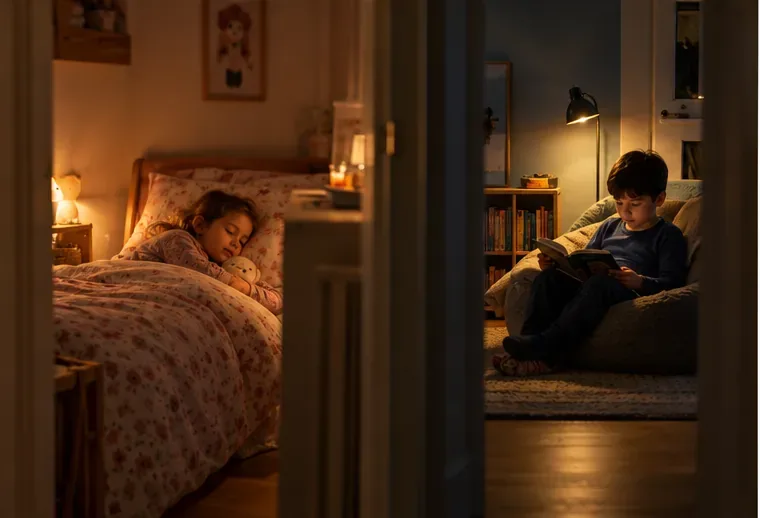
Learn how to set up a shared bedroom for siblings with different bedtimes, from planning around age-based sleep needs to creating separate sleep spaces and quiet routines.
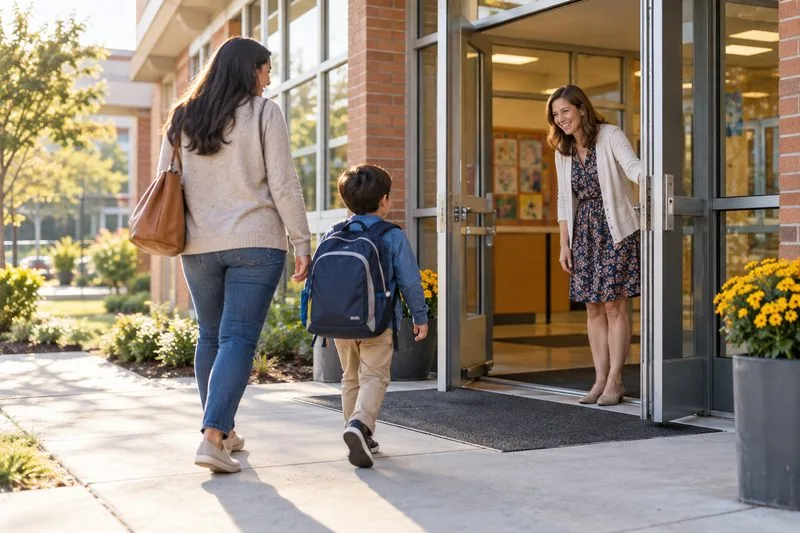
Compare full-day, gradual, and temporary at-home return plans, plus health checks and school supports that can help a child reenter safely.
Learn when a child can try to solve a friendship problem, when adults should step in, and how to tell whether support is helping or needs to change.