How to Teach Chores Without Redoing Every Task for Your Child

Teach kids to do chores with fewer reminders: set a clear finish line, model one task, step back, and correct only what is unsafe or unfinished.

Entering puberty, hormonal changes in the body cause your child's skin to appear pimples. At that time, if parents do not guide their children properly, the consequences can be unpredictable.
When they first get acne, your child may feel confused and not sure what to do. You should guide your child and teach you how to deal with this skin problem. If you are wondering how to get started, this article will give you advice!
Your child may not know what is going on skin or what acne is . This can lead to ignorance, fear or improper treatment and care. First, you should give your child information about acne.
You can talk to your child about the definition of acne. Acne is a common skin disease and most teenagers experience it. Hair follicles contain oil-secreting oil glands to protect and moisturize the skin. When children reach puberty, changes in sex hormones can cause the oil glands to secrete too much oil. The increase in oil secretion together with dead skin cells clogs and clogs the pores. Excess oil can also promote the growth of bacteria called P. acnes. Then, acne appeared.
Your child may fear that the acne won't go away. Talk to your child about acne treatments to improve their appearance and reduce scarring. Acne treatments include: over-the-counter creams, gels, or prescription medications like benzoyl peroxide and antibiotics. If the acne is scaring on the skin, laser therapy or chemotherapy can help your child's skin recover.
You can help your child by:
Remind your child to keep the skin clean, not to squeeze or squeeze acne. This can cause acne to spread and cause scarring, which may be more difficult to treat;
If over-the-counter creams, gels, or medications don't work on your child's acne, you should see your child's doctor or dermatologist. They will diagnose and offer a number of treatment options;
Be careful with your child about taking acne care accurately and gently;
Remind children to keep their skin care habits. This can prevent recurrence of acne and other skin problems.
There are a number of acne treatments you can help your child with, but sometimes this just isn't enough, you should seek help from a specialist:
If your child has some persistent emotional problems associated with acne, such as anger or irritability;
The acne gets worse, even when the child is getting the right treatment;
Current therapies are not working.
When your child first experiences acne, it is important to help him understand acne and develop skin care routines. Parents are the most trusted instructors for children, so be careful, patient and knowledgeable!
Teach kids to do chores with fewer reminders: set a clear finish line, model one task, step back, and correct only what is unsafe or unfinished.
Learn why toilet-trained children may start having pee or poop accidents again, what patterns to track, how to respond calmly, and when to call the pediatrician.
A child may repeat a reassurance question to process information, seek connection, or manage worry. Learn how to respond and when persistent anxiety needs support.
Learn how to set screen-time boundaries with predictable routines, warnings, calm follow-through, and better transitions—without turning every device handoff into a fight.
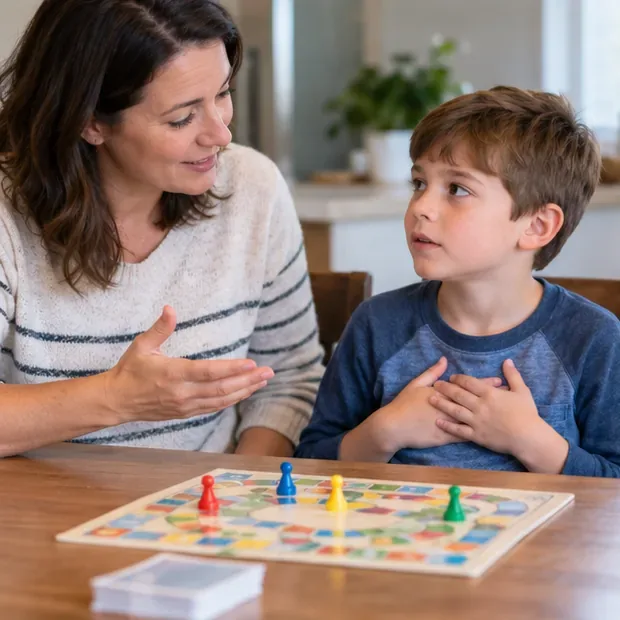
Teach children to handle losing without shame or explosive anger by validating feelings, setting behavior limits, modeling recovery, and practicing at the right difficulty.
A calm, practical plan for after-school meltdowns: reduce overload, keep limits clear, track patterns, coordinate with school, and know when to seek help.
Learn how to respond when a child feels unwanted, ask supportive questions, recognize bullying or ongoing distress, and know when to seek extra help.
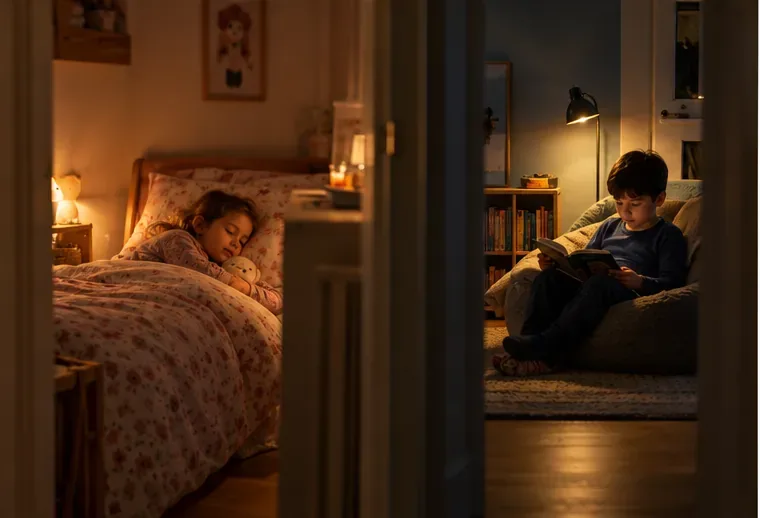
Learn how to set up a shared bedroom for siblings with different bedtimes, from planning around age-based sleep needs to creating separate sleep spaces and quiet routines.
Compare full-day, gradual, and temporary at-home return plans, plus health checks and school supports that can help a child reenter safely.
Learn when a child can try to solve a friendship problem, when adults should step in, and how to tell whether support is helping or needs to change.