How to Teach Chores Without Redoing Every Task for Your Child

Teach kids to do chores with fewer reminders: set a clear finish line, model one task, step back, and correct only what is unsafe or unfinished.

Summer, children get summer vacation, travel with parents. One of the concerns of adults when traveling with children is illnesses encountered while traveling such as cough, fever, food poisoning.
Food poisoning occurs when a baby eats food contaminated with bacteria or toxins. Without proper attention and management, food poisoning can lead to insanity, fever, and even convulsions.
Water can be contaminated by bacteria or other microorganisms normally by the contamination of human or animal feces in the water source. This is particularly a problem in countries with poor sanitation. In these countries, food can also be washed and cooked with contaminated water. For example, in areas with poor sanitation, children should avoid:
Drink tap water;
Drink ice water (ice cubes purchased from a pre-made ice plant);
Brush your teeth with tap water.
Eat salads such as lettuce, rinsed tomatoes with polluted water;
Eat uncooked vegetables (as they may have been washed in contaminated water).
Food poisoning is very common. Previously people only reported the most severe cases but now they also pay attention to mild cases. The most recent statistics show that more than 500,000 cases of food poisoning are found to be caused each year. If cases with unspecified causes were included, this number would more than double.
For most food poisoning cases, symptoms tend to appear within 1-3 days of eating the contaminated food. However, for some types of food poisoning, this incubation period can be as long as 90 days.
The main symptom of food poisoning is diarrhea, often accompanied by vomiting. Diarrhea is defined as having loose stools usually at least 3 times within 24 hours. Blood or mucus may appear in the stool along with the infection. Usually, the baby may experience colic . The pain may subside with each bowel movement. Sometimes babies also have fever, headache and fatigue.
If vomiting does occur, it lasts only around 1 day but sometimes longer. Diarrhea usually continues after the vomiting has stopped and usually lasts a few days or more. Loose stools may last for a week or more before everything is back to normal. Sometimes symptoms can last.
Diarrhea and vomiting can cause dehydration. If you suspect that your baby is dehydrated, you should take him or her to a medical facility immediately. Children, especially young children and infants, can become severely dehydrated and exhausted very quickly. Mild dehydration is common and can be treated with supplements or other electrolytes.
Symptoms of dehydration in children include:
Little urination;
Dry mouth;
Dry tongue and lips;
Little tears when crying;
Sunken eyes;
Weakness in limbs;
Feelings of discomfort;
Languid.
Symptoms of severe dehydration in children include:
Sleeping chickens;
Pale or fluffy skin;
Cold hands or feet;
Diapers are rarely wet;
Shortness of breath and often shortness of breath.
Severe dehydration is an urgent medical condition and requires immediate active care of the victim. Dehydration is more likely to occur in subjects that:
Children under 1 year old (and especially children under 6 months old) because only a little water loss is a lot of water in the body already;
Infants under 1 year of age have a low birth weight and are not gaining weight properly;
Your baby is not allowed to breastfeed during the illness;
Children refuse to drink water when infected with intestinal tract.
Any infant or child with severe diarrhea and vomiting. (if the child has loose stools more than 5 times and is vomiting more than 2 times in the past 24 hours).
Hopefully, with the symptoms of food poisoning that this article gives, you can help parents to have more knowledge about this issue and take appropriate precautions to protect their baby to stay healthy.
Teach kids to do chores with fewer reminders: set a clear finish line, model one task, step back, and correct only what is unsafe or unfinished.
Learn why toilet-trained children may start having pee or poop accidents again, what patterns to track, how to respond calmly, and when to call the pediatrician.
A child may repeat a reassurance question to process information, seek connection, or manage worry. Learn how to respond and when persistent anxiety needs support.
Learn how to set screen-time boundaries with predictable routines, warnings, calm follow-through, and better transitions—without turning every device handoff into a fight.
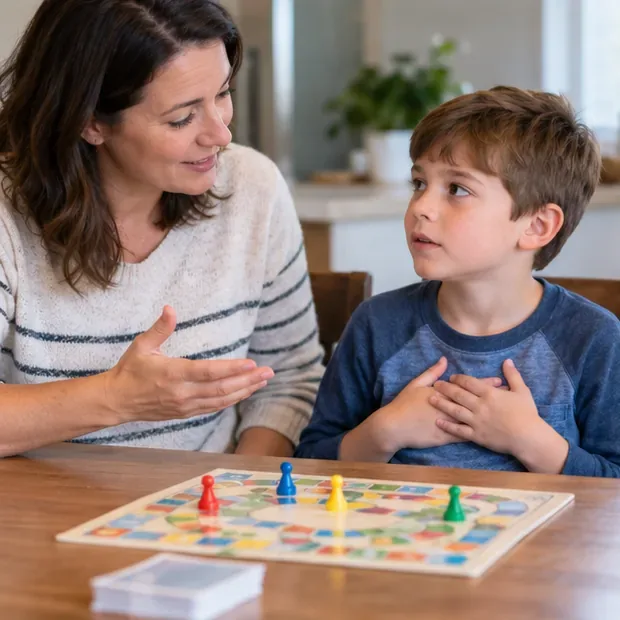
Teach children to handle losing without shame or explosive anger by validating feelings, setting behavior limits, modeling recovery, and practicing at the right difficulty.
A calm, practical plan for after-school meltdowns: reduce overload, keep limits clear, track patterns, coordinate with school, and know when to seek help.
Learn how to respond when a child feels unwanted, ask supportive questions, recognize bullying or ongoing distress, and know when to seek extra help.
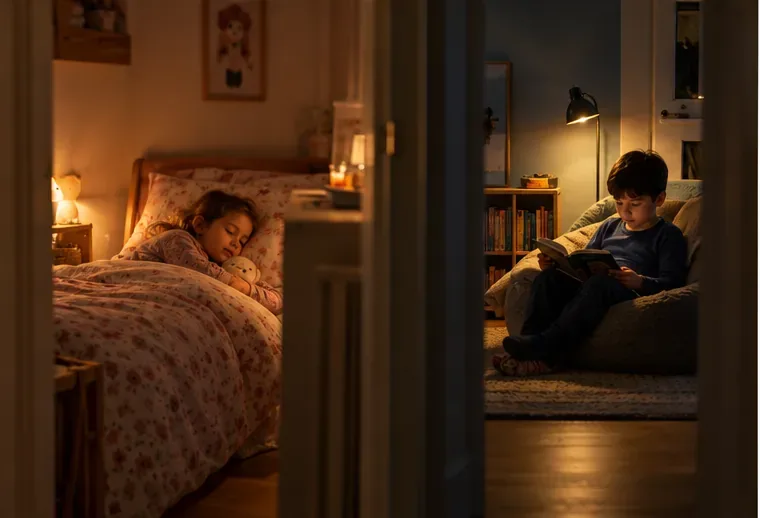
Learn how to set up a shared bedroom for siblings with different bedtimes, from planning around age-based sleep needs to creating separate sleep spaces and quiet routines.
Compare full-day, gradual, and temporary at-home return plans, plus health checks and school supports that can help a child reenter safely.
Learn when a child can try to solve a friendship problem, when adults should step in, and how to tell whether support is helping or needs to change.