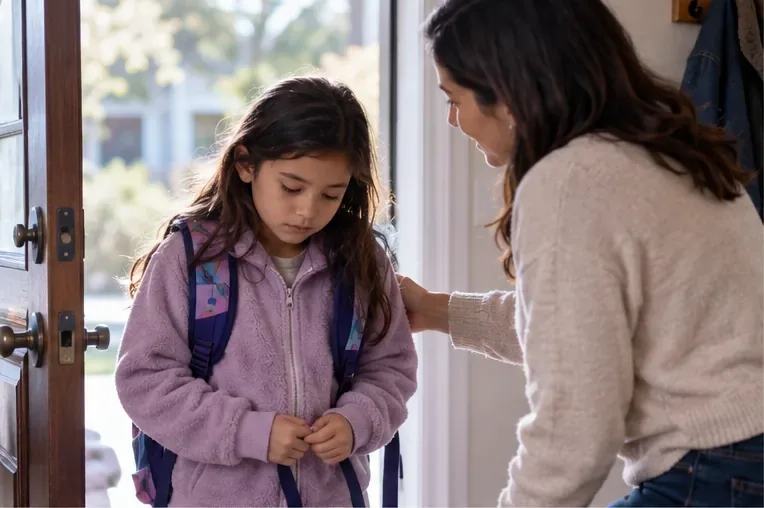
How to Teach Chores Without Redoing Every Task for Your Child

Teach kids to do chores with fewer reminders: set a clear finish line, model one task, step back, and correct only what is unsafe or unfinished.

You can let your baby use a cup with a straw or a cup with a knob to practice holding any time after your baby is six months old. Breastfed babies are more likely to switch to this cup than to a regular bottle. At first, you should use a cup with two handles, with a lid above and a protruding spout or straw to practice children. Both of these options will help minimize the chance of your baby spilling the milk or water as he or she is not used to the new grip (and more likely to throw the bottle away).
There are many benefits to drinking milk from a cup. It will improve baby's hand-mouth coordination and is a prerequisite for weaning in this age group. Remember, breast milk is the best source of nutrition for babies, at least during their first year of life. When you intend to switch from breast milk to other types of milk, you need to observe your baby's performance showing that he is ready to drink from a cup through the following signs:
Look around while breastfeeding or bottle feeding;
Suck on the nipple without sucking;
Try to slide out of the mother's womb before finishing.
Initially, put a little water in a glass and have your baby drink it once a day with meals. You can show your baby how to put the nozzle in his mouth and drink it. Don't be disappointed if the first attempt fails because most kids don't know what cups to drink and use them as a toy for several weeks. Just be patient until your baby can learn how to suck water from the bottle on his own, drain the hose / straw without spilling or dripping down his chin or not scattering the room. Once your baby has learned to drink from a cup, pour breastmilk or formula into a cup so she can drink it instead of a bottle.
Even in the best case, weaning cannot happen overnight. Six months is the amount of time your baby needs to drink the fluids from a cup. Even so, you can start the step-by-step weaning process, based on your baby's excitement and willingness to take the next steps. You will find it easiest to feed your baby a cup instead of a bottle or to breastfeed in the middle of the day. Once your baby has adapted to this change, try giving her a cup in the morning. Weaning at night is the last step taken because your baby has gotten used to the feeling of breastfeeding at night and he feels comfortable and at peace with his milk and goes to sleep; So it will take a certain amount of time for your baby to get rid of this habit. If your baby sleeps all night without waking up from hunger, this proves that he doesn't really have a need to breastfeed or bottle at night. In this case, you can change your baby's habits through each stage, first to replace the evening milk bottle with a water bottle, then switch your baby to drinking water from a cup.
During this process, you may want to breastfeed your baby out of your heart to help him fall asleep, but you should not. If your baby sleeps while breastfeeding, the milk will get into the teeth and can lead to tooth decay. Not stopping there, feeding while lying on your back can cause otitis media as fluid can flow through the eardrum into the middle ear.
Another disadvantage will happen if you continue to prolong bottle-feeding, that the bottle can become a familiar object to help your baby feel safe, especially this case is completely possible. happens after the baby is one year old. To avoid this, do not let your baby carry the bottle and drink milk or water from the bottle while playing. Limit your use of bottles to feed your baby while sitting or being held. At other times, you can offer your baby a cup. If you are determined not to let your baby carry the bottle with you, he will forget about having a bottle in order to feel safe. Once you have made a decision, do not give up, you need to be firm, otherwise the baby will ask for the bottle again after officially weaning.
Teach kids to do chores with fewer reminders: set a clear finish line, model one task, step back, and correct only what is unsafe or unfinished.
Learn why toilet-trained children may start having pee or poop accidents again, what patterns to track, how to respond calmly, and when to call the pediatrician.
A child may repeat a reassurance question to process information, seek connection, or manage worry. Learn how to respond and when persistent anxiety needs support.
Learn how to set screen-time boundaries with predictable routines, warnings, calm follow-through, and better transitions—without turning every device handoff into a fight.
Teach children to handle losing without shame or explosive anger by validating feelings, setting behavior limits, modeling recovery, and practicing at the right difficulty.
A calm, practical plan for after-school meltdowns: reduce overload, keep limits clear, track patterns, coordinate with school, and know when to seek help.
Learn how to respond when a child feels unwanted, ask supportive questions, recognize bullying or ongoing distress, and know when to seek extra help.
Learn how to set up a shared bedroom for siblings with different bedtimes, from planning around age-based sleep needs to creating separate sleep spaces and quiet routines.
Compare full-day, gradual, and temporary at-home return plans, plus health checks and school supports that can help a child reenter safely.
Learn when a child can try to solve a friendship problem, when adults should step in, and how to tell whether support is helping or needs to change.