How to Teach Chores Without Redoing Every Task for Your Child

Teach kids to do chores with fewer reminders: set a clear finish line, model one task, step back, and correct only what is unsafe or unfinished.

Magnesium is a mineral that is very important for bodily functions. Although there are currently magnesium supplements available, there are other ways for your child's body to absorb it more naturally.
A good nutrition for children is always the concern of parents. However, few people know that magnesium is really necessary for the body.
If you consume less than the recommended amount of magnesium, you are more likely to get inflammatory and inflammatory diseases, increasing your risk of certain diseases like heart disease, diabetes and cancer. In addition, low magnesium intake is also responsible for osteoporosis.
There is some evidence that eating foods high in magnesium and other minerals may help control blood pressure in people with a history of hypertension.
In particular, children need magnesium for the development of resistance, brain, bones and muscles.
The answer is yes. Natural food sources of magnesium include:
Green, leafy vegetables like spinach;
Nuts;
Variety of beans, peas, and soybeans;
Whole grains;
Nuts such as: almonds or cashews;
Types of fish, especially halibut.
Eating fresh foods is always best. However, care should be taken during processing because magnesium can be lost during pre-processing and cooking.
For children of different ages, the amount of magnesium needed is not the same:
1-3 years: 80mg / day;
4-8 years: 130mg / day
9-13 years: 240mg / day.
Absorption of magnesium deficiency is not recommended. But if you get a higher amount of magnesium from foods that is needed by your child's body, there is nothing to worry about, which is safe for your baby's health.
Teach kids to do chores with fewer reminders: set a clear finish line, model one task, step back, and correct only what is unsafe or unfinished.
Learn why toilet-trained children may start having pee or poop accidents again, what patterns to track, how to respond calmly, and when to call the pediatrician.
A child may repeat a reassurance question to process information, seek connection, or manage worry. Learn how to respond and when persistent anxiety needs support.
Learn how to set screen-time boundaries with predictable routines, warnings, calm follow-through, and better transitions—without turning every device handoff into a fight.
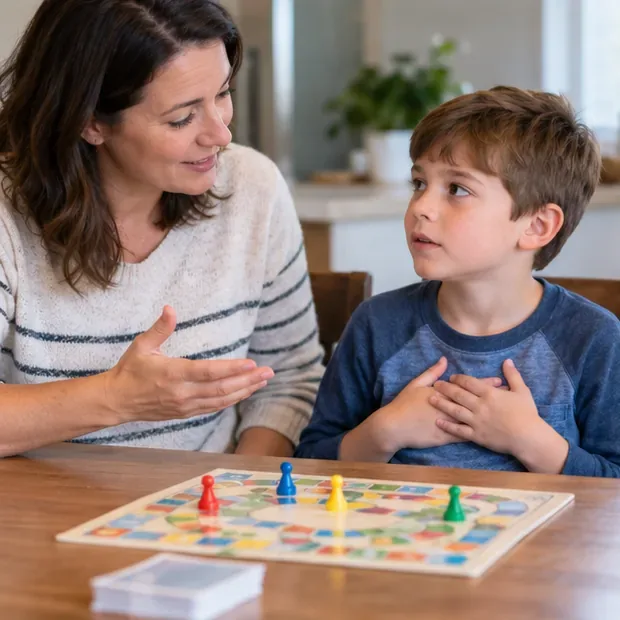
Teach children to handle losing without shame or explosive anger by validating feelings, setting behavior limits, modeling recovery, and practicing at the right difficulty.
A calm, practical plan for after-school meltdowns: reduce overload, keep limits clear, track patterns, coordinate with school, and know when to seek help.
Learn how to respond when a child feels unwanted, ask supportive questions, recognize bullying or ongoing distress, and know when to seek extra help.
Learn how to set up a shared bedroom for siblings with different bedtimes, from planning around age-based sleep needs to creating separate sleep spaces and quiet routines.
Compare full-day, gradual, and temporary at-home return plans, plus health checks and school supports that can help a child reenter safely.
Learn when a child can try to solve a friendship problem, when adults should step in, and how to tell whether support is helping or needs to change.