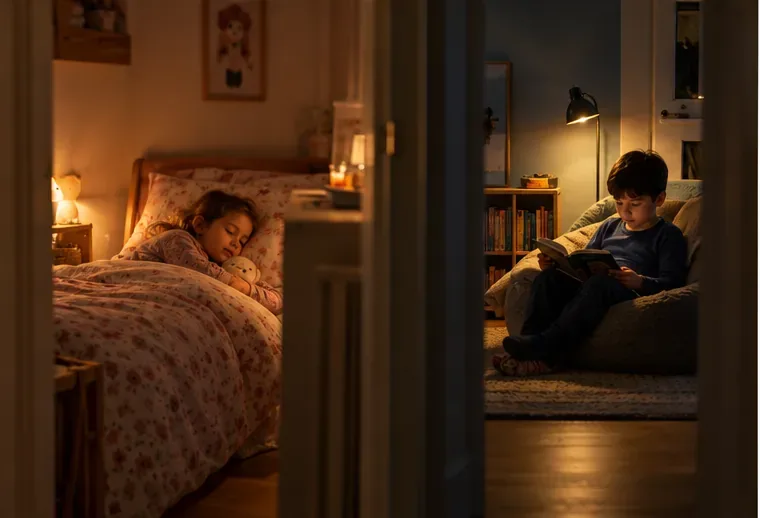
How to Teach Chores Without Redoing Every Task for Your Child

Teach kids to do chores with fewer reminders: set a clear finish line, model one task, step back, and correct only what is unsafe or unfinished.

Warts are a benign but itchy, itchy disease, especially in young children. Unfortunately, your baby has warts that make you wonder if you should treat them at home?
Although it is a benign disease, the warts are uncomfortable for the sufferer and have a cosmetic impact. Children with warts will feel uncomfortable and scratch the affected area often, making the disease spread more quickly. The following article by aFamilyToday Health helps parents to understand more about warts and treatments for their children.
Warts are an infection caused by the pox virus, which enters the body when there is weak skin resistance and often manifests itself as a mild, benign skin condition. It can appear anywhere on the body. Within 6-12 months, the warts usually go away on their own without leaving a scar. However, there are some cases where this can last up to 4 years.
The warts are usually small, raised on the surface of the skin, pink-white or clear, with sunken in the middle. The warts are usually flat and hard. For most people, they can be nail-sized to the size of a pencil eraser (2 to 5 mm). They can sometimes cause itching, soreness, redness or swelling.
The warts can appear singly or in clusters on the face, neck, arms, legs, abdomen, and genitals. Very rarely, warts appear on the palms of the hands or soles of the feet.
The warts usually go away in about 18 months without treatment. The good news is that once the wart completely disappears, it is very rare that it returns.
If the baby unfortunately has warts and itchiness is uncomfortable or the area is bleeding, parents should take their child to the hospital. Doctors can use the following to remove warts to make your child more comfortable:
Press firmly with gloves to make the fluid in the pimple burst out
Poke with a sterile needle
Use liquid nitrogen to treat
Scrape with a tool.
These measures are not complicated, but can cause pain and scarring, so you must take your child to the hospital to perform. Don't try to get rid of the warts yourself without consulting your doctor, unless you have taken your child to see a doctor and the doctor has agreed to let you remove the warts at home.
Get rid of the wart once your child has washed it away. You should also wash your hands, use sterile gloves, and be extra careful when removing your child's warts to avoid infection. After you are done, wash your hands thoroughly and dry them with a clean towel, it's best to wash this towel with hot water after using it.
Your child can become infected by touching someone who has warts or something contaminated with the virus. These items could be towels, clothes or even toys. The time that warts appear on a child's body after exposure to the virus is from 7 days to 6 months.
There are several things you can do to prevent the spread of warts to other family members such as covering up the wart, not sharing toys, clothes, or bathtubs.
You should prevent your child from scratching the pimple as it can spread the virus to other areas of the body. In addition, the child scratching acne like that will also affect other family members when the virus can infect the objects your child holds after scratching. If your child has severe itching, talk to your doctor about using steroid creams to relieve itching.
When you see your baby has warts, the most important thing parents need to do is keep the baby and the environment clean to avoid infection. If you have any other questions, take your child to see a doctor for the best advice and treatment for your child.
Teach kids to do chores with fewer reminders: set a clear finish line, model one task, step back, and correct only what is unsafe or unfinished.
Learn why toilet-trained children may start having pee or poop accidents again, what patterns to track, how to respond calmly, and when to call the pediatrician.
A child may repeat a reassurance question to process information, seek connection, or manage worry. Learn how to respond and when persistent anxiety needs support.
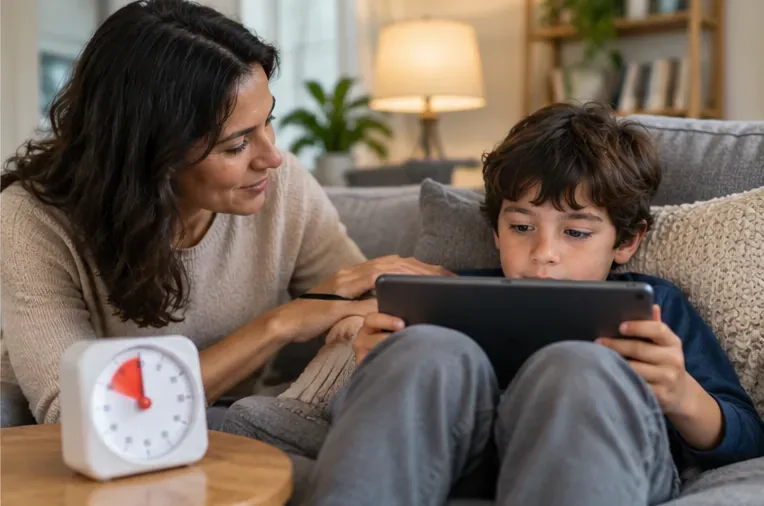
Learn how to set screen-time boundaries with predictable routines, warnings, calm follow-through, and better transitions—without turning every device handoff into a fight.
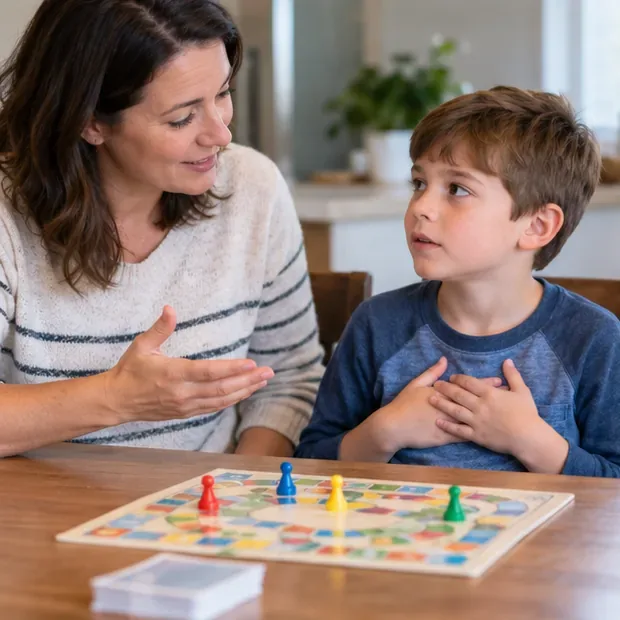
Teach children to handle losing without shame or explosive anger by validating feelings, setting behavior limits, modeling recovery, and practicing at the right difficulty.
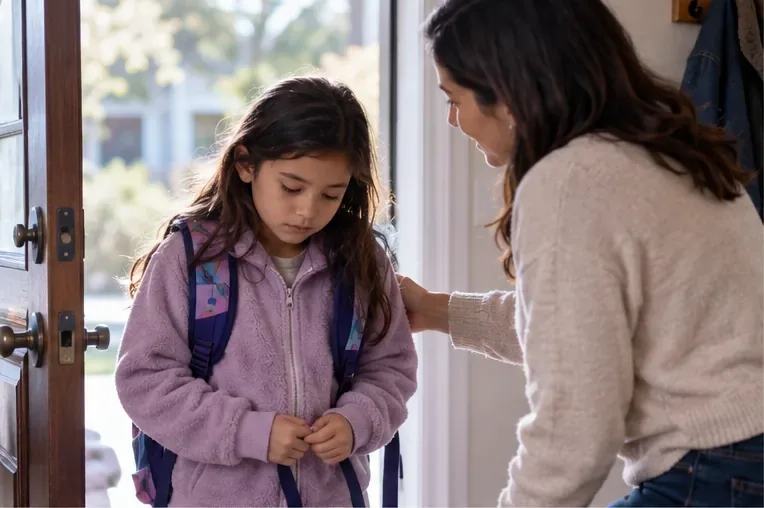
A calm, practical plan for after-school meltdowns: reduce overload, keep limits clear, track patterns, coordinate with school, and know when to seek help.
Learn how to respond when a child feels unwanted, ask supportive questions, recognize bullying or ongoing distress, and know when to seek extra help.
Learn how to set up a shared bedroom for siblings with different bedtimes, from planning around age-based sleep needs to creating separate sleep spaces and quiet routines.
Compare full-day, gradual, and temporary at-home return plans, plus health checks and school supports that can help a child reenter safely.
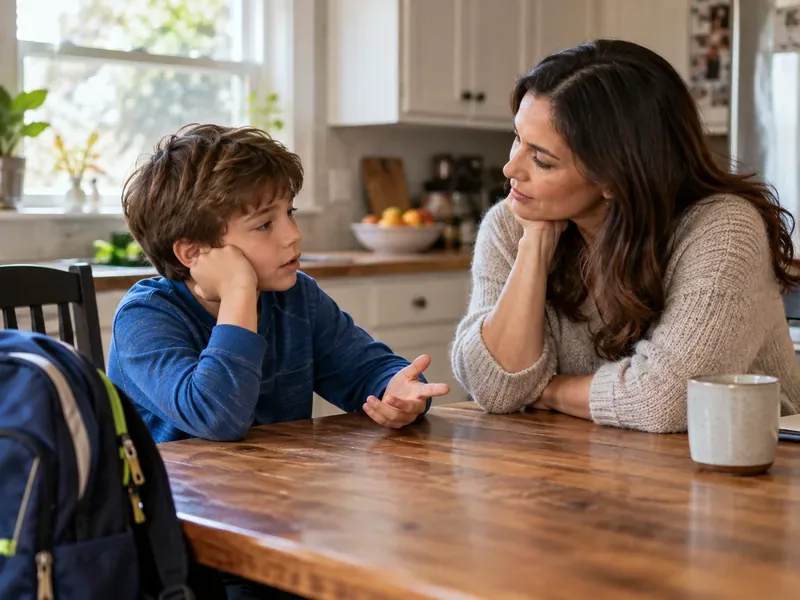
Learn when a child can try to solve a friendship problem, when adults should step in, and how to tell whether support is helping or needs to change.