How to Teach Chores Without Redoing Every Task for Your Child

Teach kids to do chores with fewer reminders: set a clear finish line, model one task, step back, and correct only what is unsafe or unfinished.

Regardless of whether you choose fabric or paper, you have to accept that diapers are an integral part of the parenting experience.
There is no right or wrong when choosing diapers. You can use either cloth / paper diapers or a combination of the two to suit kids, lifestyle and budget. Here's what you need to know about cloth diapers and disposable diapers (paper diapers) to make the right choice for you and your baby.
Nowadays, reusable cloth diapers come in many different types.
Most cloth diapers come equipped with a waterproof cover. In addition, many manufacturers add a replaceable absorbent layer. There are two types of cloth diapers on the market: natural fibers (of vegetable or animal origin and some expensive ones that will look new after washing), synthetic fibers (due to their made of synthetic fibers. so they are less expensive than natural fibers, but can retain unpleasant odors).
The absorbency of diapers will be determined by the materials that make them up. Diapers are usually made up of the following ingredients.
Laminate Polyurethane (Pul) / thermoplastic polyurethane (TPU): widely used and affordable, waterproof, but not breathable;
Artificial fiber: made of soft polyester;
Cotton: covered with cotton to create comfort and different patterns. This type is prone to spills;
Wool: is a type of polyester that allows for more air circulation, making it more ventilated;
Wool: has natural antibacterial properties, is quite breathable and absorbent;
Nylon: absorbent but still breathable.
When using cloth diapers, many mothers will use an extra pad under the child's buttocks so that the baby's waste does not seep into the bed or mattress. The lining is also available in different materials and the absorbency will vary depending on the material.
To wash cloth diapers, please follow the manufacturer's instructions. In general, solid waste is dumped in the toilet, the outer pad and pad is washed with cold water, then soaked in a mild detergent and bleach before washing. You should pay attention to wash your baby's diaper separately from other clothes.
You can protect the environment when reusing cloth diapers. As for paper diapers, although they have the ability to decompose, this process is very slow. But on the whole, there are disadvantages to all of them, as disposable diapers take centuries to decompose. Meanwhile, you will have to waste electricity and water to keep cloth diapers clean.
Modern cloth diapers are designed to be as easy to use as paper diapers. However, paper diapers are more common and do not require washing. If you go out with your baby and your baby gets dirty, you can't get rid of cloth diapers like paper diapers.
In fact, there have been several reports of children being allergic to the ingredients in disposable diapers. However, many brands on the market do not contain substances such as chlorine, latex, perfumes and dyes that help reduce allergies to baby's skin.
With cloth diapers, you can be sure of the material you are using, but since it is less absorbent than paper diapers, your baby can be prone to lice. No matter what type of diaper you are using, don't leave your baby in dirty or wet diapers for too long.
Choosing cloth or paper diapers is a personal decision. It is important that you consider the pros and cons of each item to buy the right kind that is suitable for children and affordable for mothers.
Teach kids to do chores with fewer reminders: set a clear finish line, model one task, step back, and correct only what is unsafe or unfinished.
Learn why toilet-trained children may start having pee or poop accidents again, what patterns to track, how to respond calmly, and when to call the pediatrician.
A child may repeat a reassurance question to process information, seek connection, or manage worry. Learn how to respond and when persistent anxiety needs support.
Learn how to set screen-time boundaries with predictable routines, warnings, calm follow-through, and better transitions—without turning every device handoff into a fight.
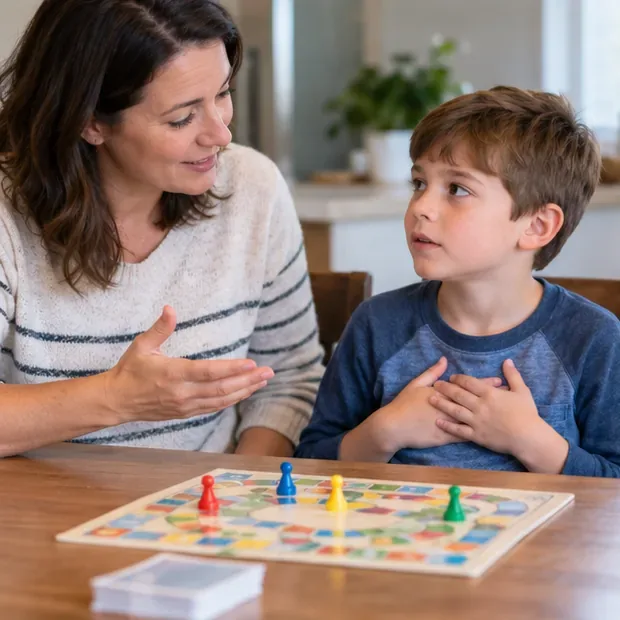
Teach children to handle losing without shame or explosive anger by validating feelings, setting behavior limits, modeling recovery, and practicing at the right difficulty.
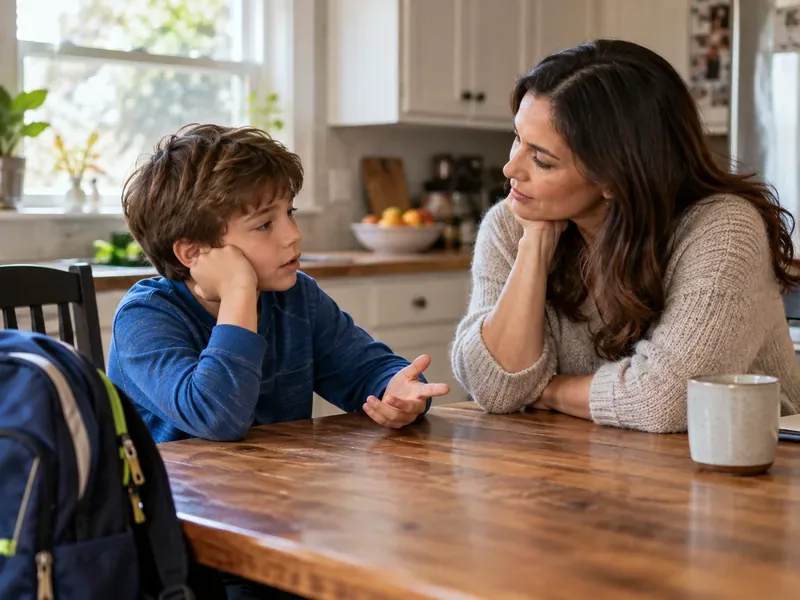
A calm, practical plan for after-school meltdowns: reduce overload, keep limits clear, track patterns, coordinate with school, and know when to seek help.
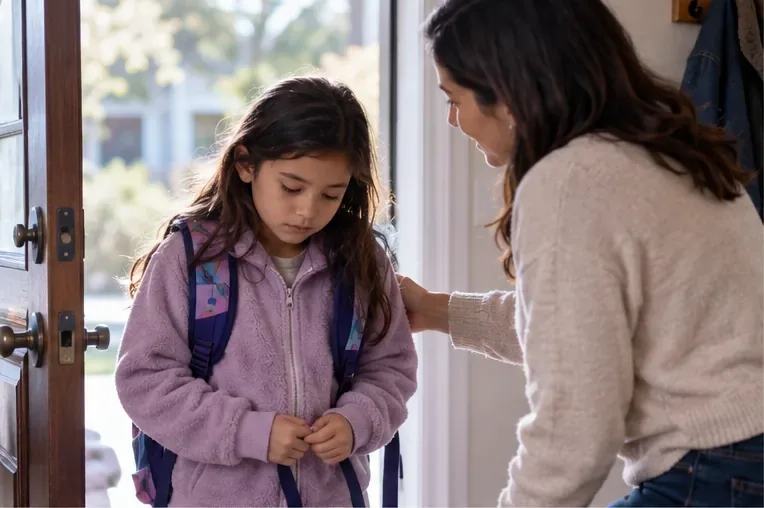
Learn how to respond when a child feels unwanted, ask supportive questions, recognize bullying or ongoing distress, and know when to seek extra help.
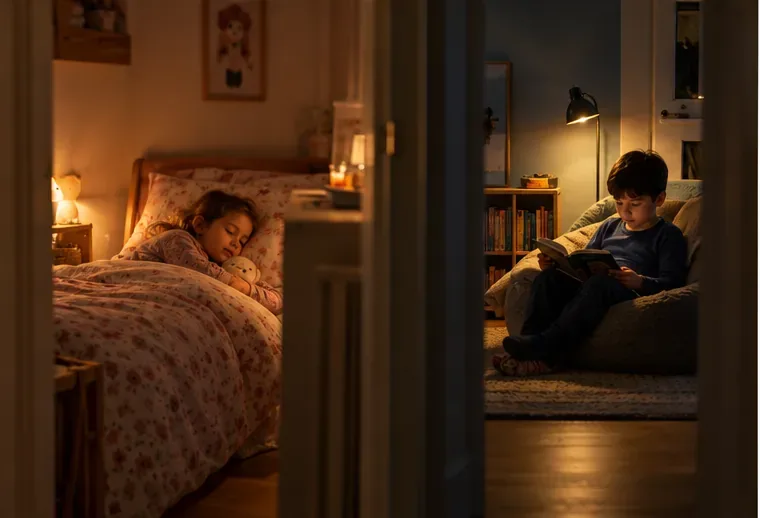
Learn how to set up a shared bedroom for siblings with different bedtimes, from planning around age-based sleep needs to creating separate sleep spaces and quiet routines.
Compare full-day, gradual, and temporary at-home return plans, plus health checks and school supports that can help a child reenter safely.
Learn when a child can try to solve a friendship problem, when adults should step in, and how to tell whether support is helping or needs to change.