How to Teach Chores Without Redoing Every Task for Your Child

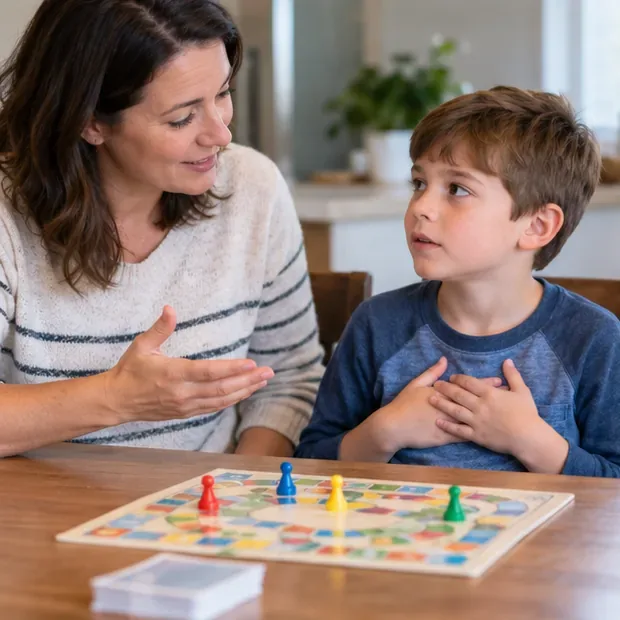
Teach kids to do chores with fewer reminders: set a clear finish line, model one task, step back, and correct only what is unsafe or unfinished.

Chicken egg allergy is one of the most common childhood conditions. Worldwide, an average of about 2% of children with allergies, but up to 70% of children recover before 16 years old.
Symptoms of an egg allergy often range from a mild hives to a dangerous level like anaphylaxis. Therefore, parents need to carefully observe if their child has allergies every time they eat eggs to give their children the appropriate influenza vaccine.
The flu vaccine contains a small amount of egg protein. Therefore, to ensure the baby is not allergic, parents need to consider before the injection. However, the probability of developing an allergy is very low as there are currently these protein-free injections available.
Most of the carrier strains used to make flu vaccines come from birds. During the making of vaccines, doctors often use eggs as a culture medium for microorganisms. Although microorganisms are removed from eggs before the vaccine is made, small amounts of egg protein can still remain in the drug.
Researchers are working to refine the process for the lowest levels of egg protein in the traditional vaccine.
Whether your baby is at any other risk or not depends on his allergic status. However, the risk of an allergic reaction is very low or if the symptoms are usually very mild.
If your child has a severe egg allergy, you should consider it before getting a flu shot, especially if you experience the following symptoms:
Nausea;
Vomiting, vomiting;
Difficulty breathing such as difficulty breathing;
Anaphylaxis.
In addition, the nasal flu vaccine (Flu Mis) is also very safe for children. According to a recent study, about 282 babies with egg allergies were vaccinated with the spray flu vaccine. Most of these children had no symptoms of hypersensitivity and 25% of children had mild reactions such as stuffy nose, difficulty breathing, eczema flare- ups . There are also cases where the child does not have any symptoms.
Recently, the Centers for Disease Control and Prevention (CDC) recommended that children with egg allergies should get a flu vaccine at a local hospital or health center. Children need to stay at the injection site for about 30 minutes after the injection so that the doctor can easily monitor and check symptoms.
Most children with egg allergy after vaccination will develop some mild symptoms including:
Stuffy nose
Hives;
Itchy rash;
Nerve pain sensation in the oral cavity.
When the baby has the above symptoms, parents can give the baby antihistamine to ease symptoms for the baby. Ideally, you should consult your doctor before giving the drug to your baby.
For more serious conditions such as: asthma, difficulty breathing or swelling in the mouth, you need to be very careful as this is the sign before anaphylaxis. Therefore, you should take your child to the nearest medical center to promptly inject epinephrine (EpiPen).
Not all flu vaccines contain protein in eggs. According to the latest research, there are currently two new vaccines that do not contain protein in eggs thanks to cell culture techniques:
Flubok is made from an insect virus;
Flucelvax is used by a cell culture technique that contains very little virus.
The US Food and Drug Administration (FDA) has announced to allow the use of the above two strains since 2013. For people with severe allergies, doctors recommend the Flubok strain. As for people with mild allergies, should use Flucelvax. Your doctor will hold you back for testing after vaccination with Flucelvax.
A child's flu shot is still the best and safe way to prevent potentially life-threatening flu. Compliance with vaccination rules will bring the best benefits to your baby's health.
Teach kids to do chores with fewer reminders: set a clear finish line, model one task, step back, and correct only what is unsafe or unfinished.
Learn why toilet-trained children may start having pee or poop accidents again, what patterns to track, how to respond calmly, and when to call the pediatrician.
A child may repeat a reassurance question to process information, seek connection, or manage worry. Learn how to respond and when persistent anxiety needs support.
Learn how to set screen-time boundaries with predictable routines, warnings, calm follow-through, and better transitions—without turning every device handoff into a fight.
Teach children to handle losing without shame or explosive anger by validating feelings, setting behavior limits, modeling recovery, and practicing at the right difficulty.
A calm, practical plan for after-school meltdowns: reduce overload, keep limits clear, track patterns, coordinate with school, and know when to seek help.
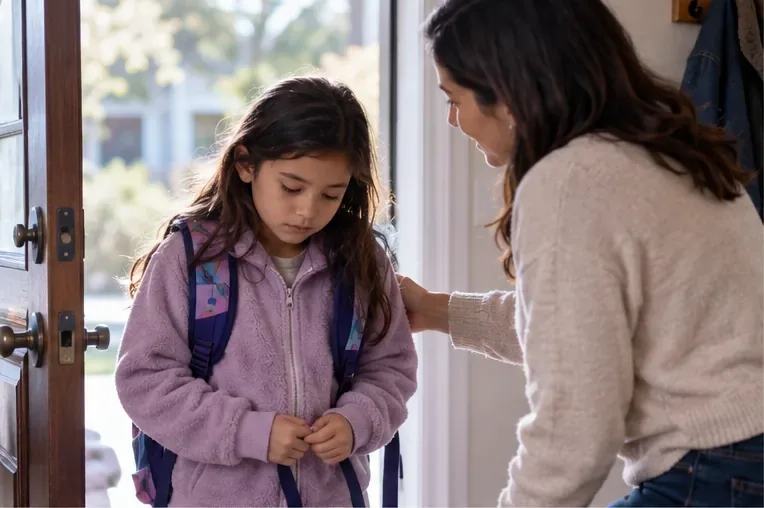
Learn how to respond when a child feels unwanted, ask supportive questions, recognize bullying or ongoing distress, and know when to seek extra help.
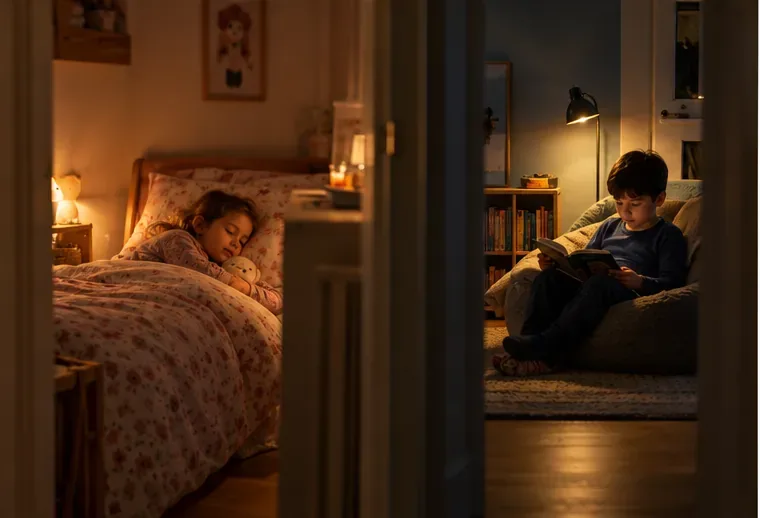
Learn how to set up a shared bedroom for siblings with different bedtimes, from planning around age-based sleep needs to creating separate sleep spaces and quiet routines.
Compare full-day, gradual, and temporary at-home return plans, plus health checks and school supports that can help a child reenter safely.
Learn when a child can try to solve a friendship problem, when adults should step in, and how to tell whether support is helping or needs to change.