How to Teach Chores Without Redoing Every Task for Your Child

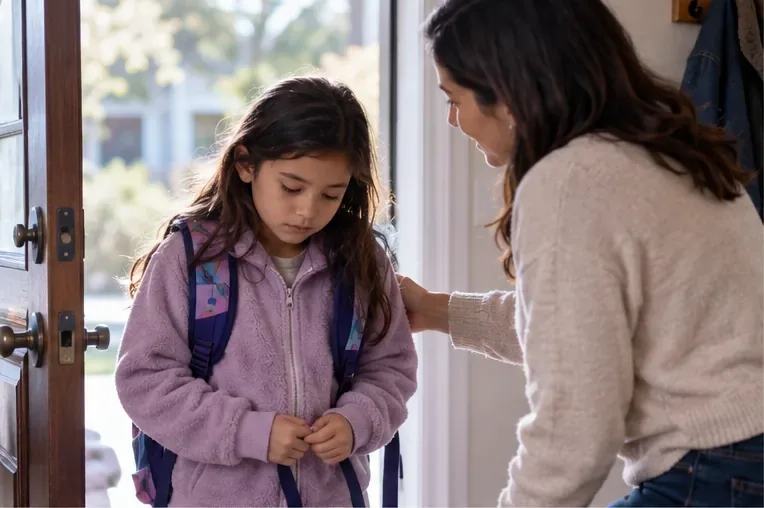
Teach kids to do chores with fewer reminders: set a clear finish line, model one task, step back, and correct only what is unsafe or unfinished.

The presence of bacteremia hidden in the blood causes septicemia (sepsis). This dangerous disease has no obvious symptoms, but only a fever.
The diagnosis of sepsis is based on blood culture and local infection is ruled out . For treatment, antibiotics are a top priority based on blood cultures.
You may notice some of the following symptoms:
The most common is a high fever of 39oC or more;
Some other symptoms such as cough, shortness of breath, tiredness, red or blue spots appear on the skin ... are not latent bacterial infections. The reason is because those symptoms help identify specific types of bacteria entering the baby's body.
Your doctor will perform the following procedures:
Blood cultures;
Urine culture and urine analysis;
Sometimes there are blood or stool tests or spinal puncture.
Doctors cannot accurately diagnose whether a baby with a fever has a latent bacteremia, to be sure it is determined by blood culture. Bacteria are often too small or too small to be easily seen, so the doctor will send the baby's blood sample to the lab for the most accurate results.
Infants or young children of any age who have a fever and develop severe symptoms, regardless of vaccination, are tested for blood, urine and cerebrospinal fluid samples. The doctor will take cerebrospinal fluid using a spinal puncture (drawing a sample of spinal fluid with a small needle). All samples were sent to the laboratory for signs of infection.
If there is a disease, the doctor will hospitalize the baby and use antibiotics for treatment. For babies who have difficulty breathing, they must have a chest X-ray to diagnose signs of the disease.
In addition, depending on the age, the baby will do blood tests and other tests to detect the virus quickly. For these tests, your doctor will use a cotton swab to take a sample from your throat or nose. Results are usually available within a few hours.
The doctor will apply the following treatments:
Before knowing the results of blood transplants, sometimes doctors still give children with fever, children have serious illness and children at high risk of sepsis with antibiotics. Usually, doctors will prescribe injectable antibiotics such as ceftriaxone ;
For babies with positive culture results but not seriously ill, antibiotics will be given according to the regimen. Children with positive implantation results and signs of serious illness are admitted to the emergency department and administered intravenous antibiotics;
Children 3 months to 3 years of age can take a fever-reducing medicine such as acetaminophen when they are uncomfortable. These medicines can make your baby feel better by lowering body temperature.
Hopefully the article can provide many useful information about latent bacteremia for parents.
Teach kids to do chores with fewer reminders: set a clear finish line, model one task, step back, and correct only what is unsafe or unfinished.
Learn why toilet-trained children may start having pee or poop accidents again, what patterns to track, how to respond calmly, and when to call the pediatrician.
A child may repeat a reassurance question to process information, seek connection, or manage worry. Learn how to respond and when persistent anxiety needs support.
Learn how to set screen-time boundaries with predictable routines, warnings, calm follow-through, and better transitions—without turning every device handoff into a fight.
Teach children to handle losing without shame or explosive anger by validating feelings, setting behavior limits, modeling recovery, and practicing at the right difficulty.
A calm, practical plan for after-school meltdowns: reduce overload, keep limits clear, track patterns, coordinate with school, and know when to seek help.
Learn how to respond when a child feels unwanted, ask supportive questions, recognize bullying or ongoing distress, and know when to seek extra help.
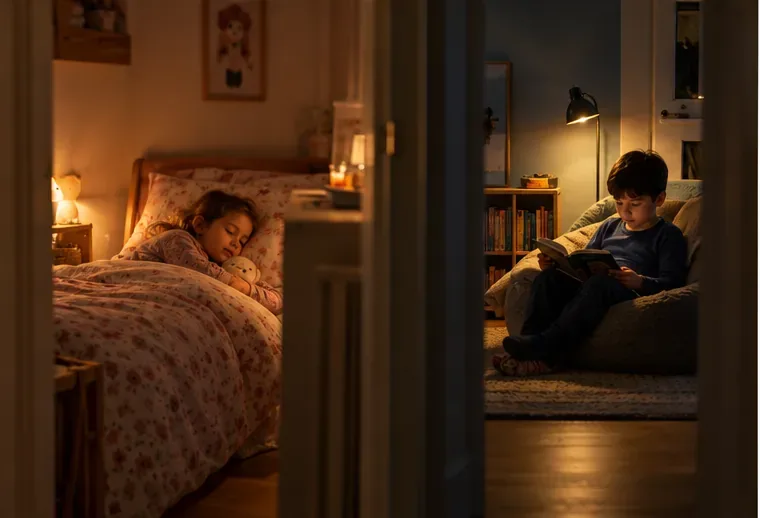
Learn how to set up a shared bedroom for siblings with different bedtimes, from planning around age-based sleep needs to creating separate sleep spaces and quiet routines.
Compare full-day, gradual, and temporary at-home return plans, plus health checks and school supports that can help a child reenter safely.
Learn when a child can try to solve a friendship problem, when adults should step in, and how to tell whether support is helping or needs to change.