How to Teach Chores Without Redoing Every Task for Your Child

Teach kids to do chores with fewer reminders: set a clear finish line, model one task, step back, and correct only what is unsafe or unfinished.

Do you think that psychological disorder only occurs in adults when they have difficulties, pressured by hundreds of thousands of worries of "rice, clothes, rice, money"? However, the truth is that in today's life, children are also under a lot of pressure, so psychological stress is easier.
The cause of the psychological disorder in children is often due to school pressure, parents are too busy, often quarrel and divorce. More dangerously, psychological problems like these leave different bold, pale imprints on the child's mind and negatively affect the child's development. However, many parents find it very difficult to recognize mental illness in children . Let aFamilyToday Health to learn the signs of mental illness and how to cope with them through the following article offline.
Identifying the disease in a child is very difficult and you can also confuse it with other normal behaviors. The main reason is because babies lack language and ability to explain clearly to you. What's more, the stigmatization of mental illness, psychiatric drugs and treatment costs can also distract you from the problem.
The following disorders are common in young children:
Anxiety Disorders: Children with anxiety disorders often respond to situations fearfully as well as signs of anxiety and stress such as heart palpitations and sweating;
Attention-deficit hyperactivity disorder (ADHD): Children with ADHD often have trouble paying attention or concentrating, can't seem to follow instructions, get bored easily with certain games or actions. They tend to move constantly and impulsively (don't think before acting);
Disruptive Behavior Disorders: Children with these disorders tend to disregard rules;
Pervasive Developmental Disorders: Children with these disorders often have confusion in their thinking and understanding problems about the world around them;
Learning and communication disorders: Children with these disorders have problems with storing and processing information;
Mood Disorders: These signs are associated with persistent or rapidly changing emotions and bipolar disorder;
Schizophrenia: This disorder is associated with distorted thoughts and perception.
Mood changes: You may see sad emotions lasting at least 2 weeks or severe mood changes in your child's relationships while at home or at school;
Behavior Change: Powerful, uncontrollable changes in behavior or personality. The act of wanting to fight, use weapons, or want to damage someone can also be one of the warning signs you need to pay attention to;
Difficulty concentrating;
Unexplained weight loss;
Physical symptoms: Unlike adults, children with mental problems may experience headaches or stomach pain rather than sadness and anxiety;
Self-harm: Self-harm behaviors, such as cutting hands or causing burns. Children with mental health problems may also have suicidal thoughts;
Substance Abuse: Some children use drugs or alcohol to cope with their emotions.
Psychological disorders and many other conditions such as diabetes or heart disease require constant treatment. Although there have been many advances in treatment for adults, the treatment methods for children are still difficult and unclear. To date, there have been many treatment options for children with many drugs used as adults but with different dosages. Some of the treatments you can use include:
Medications: Medicines to treat psychiatric disorders in children include antipsychotic, antidepressant, anti-anxiety, stimulant, and mood-stabilizing medications;
Psychotherapy: This involves a process by which psychologists communicate with a patient to understand and deal with a patient's symptoms, thoughts, and behavior. The most commonly used psychotherapy with children are cognitive behavioral therapy;
Creative Therapy: Some treatments, such as art, can be especially helpful for young children with communication problems.
If you are concerned about your child's psychological health, seek medical advice. With the right support, you can learn more about the child's disease, condition as well as treatment options to make your baby healthier!
You may be interested in the topic:
8 natural remedies for adolescent anxiety disorders
Teach kids to do chores with fewer reminders: set a clear finish line, model one task, step back, and correct only what is unsafe or unfinished.
Learn why toilet-trained children may start having pee or poop accidents again, what patterns to track, how to respond calmly, and when to call the pediatrician.
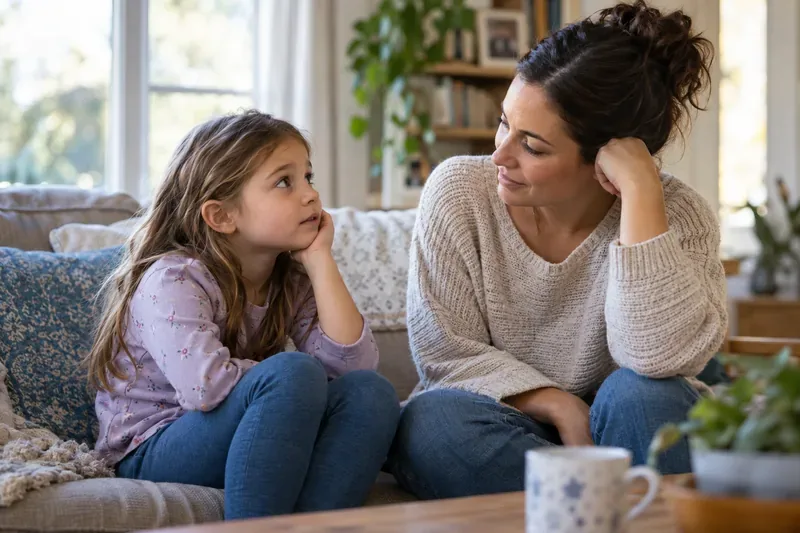
A child may repeat a reassurance question to process information, seek connection, or manage worry. Learn how to respond and when persistent anxiety needs support.
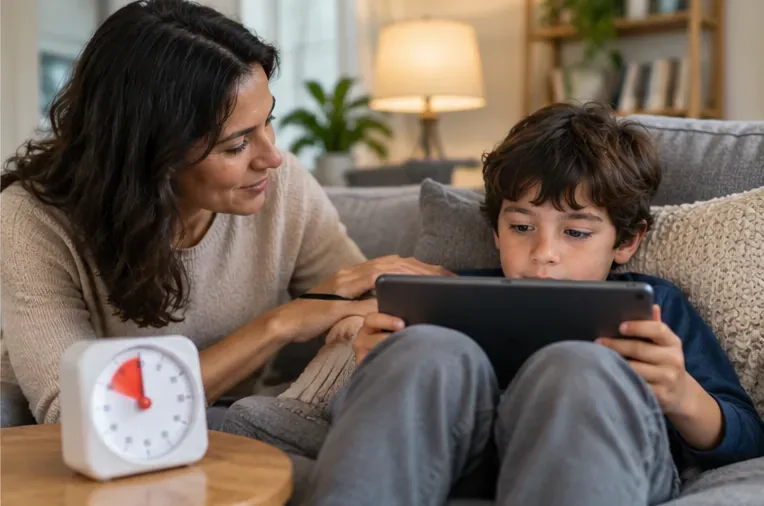
Learn how to set screen-time boundaries with predictable routines, warnings, calm follow-through, and better transitions—without turning every device handoff into a fight.
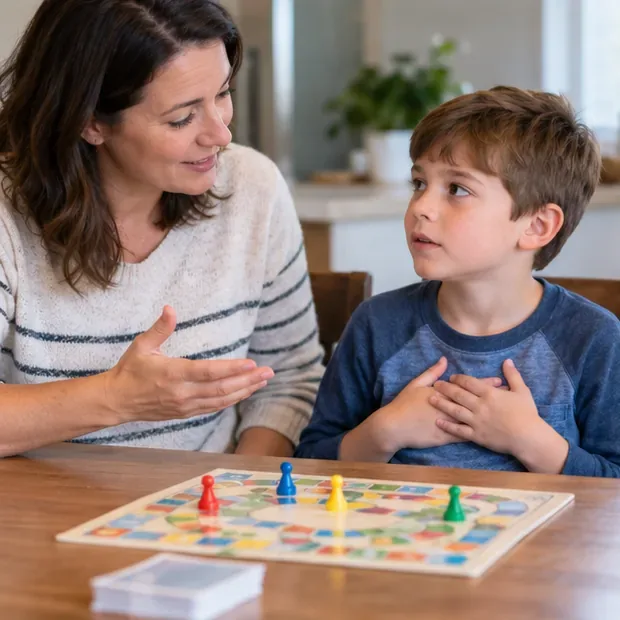
Teach children to handle losing without shame or explosive anger by validating feelings, setting behavior limits, modeling recovery, and practicing at the right difficulty.
A calm, practical plan for after-school meltdowns: reduce overload, keep limits clear, track patterns, coordinate with school, and know when to seek help.
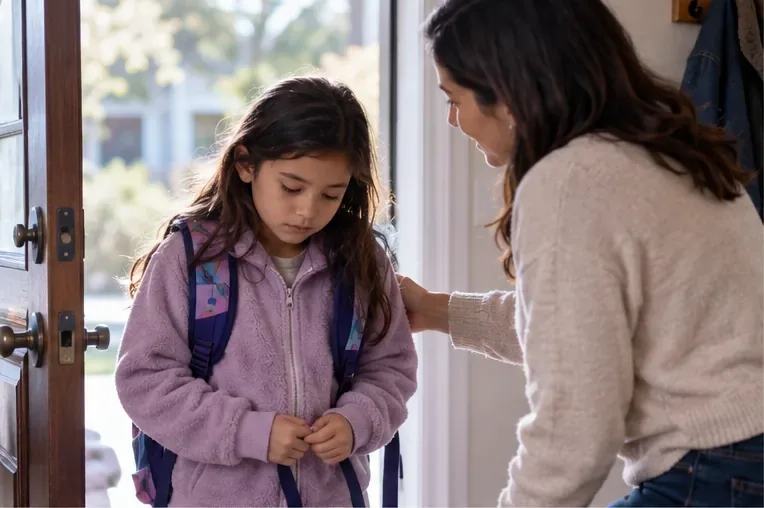
Learn how to respond when a child feels unwanted, ask supportive questions, recognize bullying or ongoing distress, and know when to seek extra help.
Learn how to set up a shared bedroom for siblings with different bedtimes, from planning around age-based sleep needs to creating separate sleep spaces and quiet routines.
Compare full-day, gradual, and temporary at-home return plans, plus health checks and school supports that can help a child reenter safely.
Learn when a child can try to solve a friendship problem, when adults should step in, and how to tell whether support is helping or needs to change.