How to Teach Chores Without Redoing Every Task for Your Child

Teach kids to do chores with fewer reminders: set a clear finish line, model one task, step back, and correct only what is unsafe or unfinished.

Food poisoning occurs when you eat or drink food or water contaminated with harmful bacteria (germs), toxins or chemicals. When it comes to food poisoning, we often think of common gastro or intestinal inflammation: inflammatory bowel disease often causes diarrhea or vomiting. However, sometimes other symptoms or illnesses, such as nausea and abdominal cramps, can occur when you eat contaminated food.
If ingested contaminated food, the baby may experience the following symptoms:
Stomach pain;
Feeling sick (nausea) or vomiting;
Diarrhea;
Fever and excessive sweating;
Bloody stools.
Your doctor will ask you what your baby ate recently when symptoms began to appear. The doctor will do tests and may take blood, feces, and urine samples and send them to the analysis room to look for pathogenic microorganisms.
Usually, the poisonous food is eliminated and the baby will feel better. Your doctor may prescribe antibiotics to treat severe types of bacterial food poisoning. Your baby may need to stay in the hospital for an infusion if the dehydration is severe.
Food poisoning usually goes away on its own within a few days. To help your child feel better during treatment, make sure that:
Your baby gets plenty of rest;
Your baby should drink plenty of water to prevent dehydration. The method for giving the baby water to drink is also effective. You should avoid giving your baby milk or caffeinated beverages;
Give your baby a small sip to make it easier to drain;
Avoid giving your baby solid foods and dairy products until the diarrhea stops.
You should not arbitrarily give medication to treat diarrhea with your baby. Once the diarrhea and vomiting stop, you need to feed your baby small, light and low-fat meals for a few days to prevent stomach upset.
If symptoms become severe or you notice signs of dehydration, call your doctor right away.
The following tips will help reduce the risks associated with food poisoning:
Instruct family members to wash their hands well and often, especially after using the toilet, before eating, and after touching raw food. Wash your hands with soap and warm water for at least 15 seconds;
Wash all cooking utensils, cutting boards and surfaces that you use to prepare food with soapy water;
Don't drink milk or eat unpasteurized food;
Wash raw fruits and vegetables if they cannot be peeled when eaten;
Keep raw foods (especially meat, poultry and marine products) away from other foods until they are cooked;
Do not use expired food;
Cook all animal foods at safe temperatures. For ground beef and pork, the minimum temperature is 71 degrees Celsius. For cut meat, the safe cooking temperature is 63 degrees Celsius. it should be at least 74 degrees Celsius. Cook the eggs until the yolks are cooked. Fish are safe when they are cooked to at least 63 degrees Celsius;
Store leftovers in well-covered containers and refrigerate;
Reheat foods in the refrigerator or microwave, never thaw them at room temperature;
If the food tastes or smells strange, discard it immediately;
If you are pregnant, avoid raw or unprocessed meat or seafood, smoked seafood, raw eggs and products that may include soft cheeses, unpasteurized milk and juices, pâté, lettuce, undercooked meats and hot dogs;
Do not drink water from springs or unpasteurized sources.
If someone in your family has food poisoning, take the victim to a medical center immediately. Staff here can identify the cause of the illness and prevent potential outbreaks that could affect others.
Teach kids to do chores with fewer reminders: set a clear finish line, model one task, step back, and correct only what is unsafe or unfinished.
Learn why toilet-trained children may start having pee or poop accidents again, what patterns to track, how to respond calmly, and when to call the pediatrician.
A child may repeat a reassurance question to process information, seek connection, or manage worry. Learn how to respond and when persistent anxiety needs support.
Learn how to set screen-time boundaries with predictable routines, warnings, calm follow-through, and better transitions—without turning every device handoff into a fight.
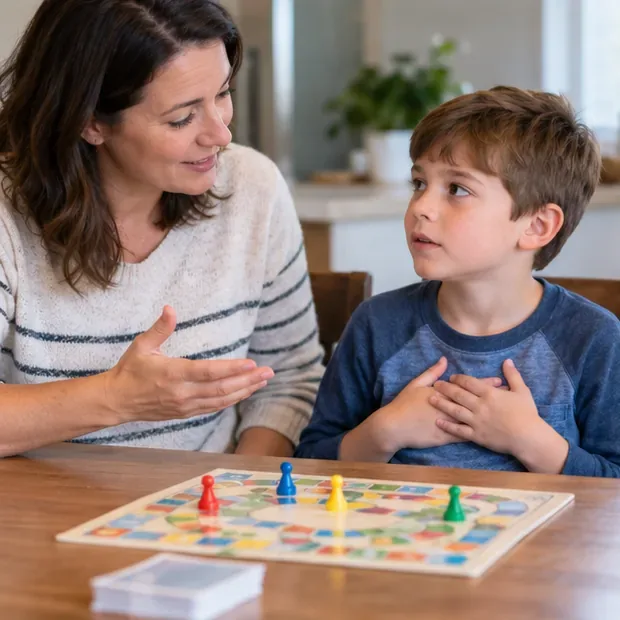
Teach children to handle losing without shame or explosive anger by validating feelings, setting behavior limits, modeling recovery, and practicing at the right difficulty.
A calm, practical plan for after-school meltdowns: reduce overload, keep limits clear, track patterns, coordinate with school, and know when to seek help.
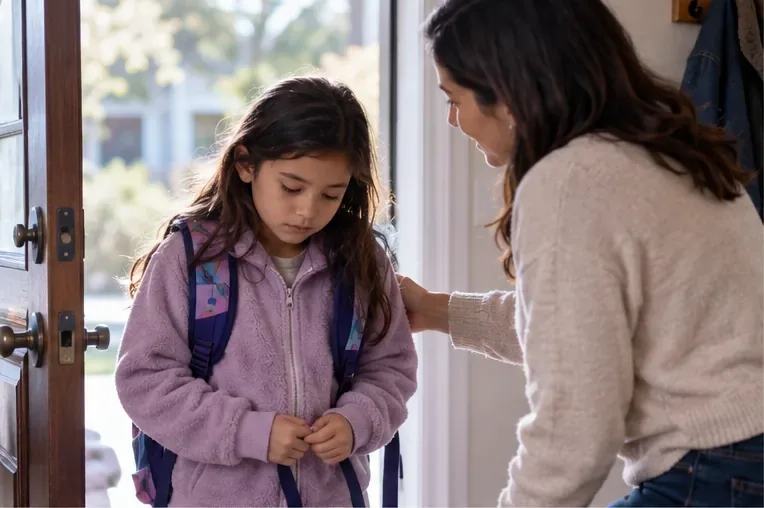
Learn how to respond when a child feels unwanted, ask supportive questions, recognize bullying or ongoing distress, and know when to seek extra help.
Learn how to set up a shared bedroom for siblings with different bedtimes, from planning around age-based sleep needs to creating separate sleep spaces and quiet routines.
Compare full-day, gradual, and temporary at-home return plans, plus health checks and school supports that can help a child reenter safely.
Learn when a child can try to solve a friendship problem, when adults should step in, and how to tell whether support is helping or needs to change.