What Helps a Child Return to School After a Long Absence?

Compare full-day, gradual, and temporary at-home return plans, plus health checks and school supports that can help a child reenter safely.
When the baby is a little older, the baskets no longer fit the baby. At this time, if you have a bath at home, please refer to how to bathe your baby in a large bathtub.
Different from infant baths , older babies are already strong, so baby baths can change. However, bathing your baby in a large bath can be a scary prospect for both you and your baby: your baby will be like a small fish released into a large lake. If you know how to prevent accidents during the bath and understand how to alleviate your baby's fears, the large tub will quickly become an ideal place to play when your baby is 5-6 months old and the bath time will becomes the family's favorite moment. To make sure that bathing your baby is fun and comfortable, try the following:
For a few days before the actual big tub, you should bathe your baby in a tub that does not contain water. In this way, the baby will not be too scared to see the bath filled with water and flooded all over the baby.
If possible, put your baby in a water-free bath with a few toys. You should let your baby stand on a large towel or a sturdy seat to minimize the chance of your baby slipping. In this way, your baby can get used to the bath and he or she will probably find joy in play. If your bathroom is tidy, warm and your baby feels comfortable getting undressed, let your baby play in it. If your baby does not show interest, dress him up. In any case, take care never to leave the baby alone in the tub, even for a moment.
While one person holds the baby, the other will pretend to bathe and play with a doll or stuffed animal in the bath and tell the baby by describing each step taken. Make everything look like everyone is participating in your baby's bath in a very happy way.
Babies usually don't like being cold, so if you let your baby feel cold during the bath, he or she will gradually become averse to baths. So, make sure the bathroom is warm enough and makes your baby feel comfortable. If the bathroom is not hot enough, you can warm up by going to a hot shower first. Only undress your baby when the tub is full and you are ready to let your baby get in the tub. You should also prepare a large soft towel to wrap the baby as soon as you lift the baby out of the bath water, you should also wear a hood for the baby. Dry your baby thoroughly and make sure your baby is stable before taking off the towel and dressing him.
Turn the bathroom into a playground to distract your baby while bathing. You can choose toys specially designed for bathing, such as floating toys, plastic laminated books or plastic containers of many shapes and sizes. You should clean wet toys at least once a week with a mixture of 1 part chlorine bleach and 15 parts water (for hygiene purposes) to reduce the formation of bacteria that can cause illness. infection.
For most babies, splashing is the funniest part of bathing. The more your baby makes you wet, the more enjoyable he feels. But the baby does not like to be the target of this game. Lots of babies become disliked when they have to play water splashing alone.
Some children are more likely to teach if they are bathed. You can try bathing with your baby, but set the water at the right temperature for your baby. Once your baby has gotten used to having two baths and is no longer afraid of taking a bath, you can try giving your baby a bath alone.
You should not bathe your baby right after eating, as doing a lot of activity after a meal can cause vomiting.
Draining the tub of water not only can cause a cold feeling, but can also create a sense of psychological fear when your baby has to stand alone in an empty tub. The gurgling sound of a tub draining can also frighten children, and even babies and toddlers may have a feeling of fear that they themselves will be swept down when they see the water receding down the pipes. .
Sooner or later, the baby will gradually get used to the bath, the point is to be patient. Your baby will get used to taking a bath quicker if you don't put any pressure on your baby.
Compare full-day, gradual, and temporary at-home return plans, plus health checks and school supports that can help a child reenter safely.
Learn when a child can try to solve a friendship problem, when adults should step in, and how to tell whether support is helping or needs to change.
Separated parents can support better sleep by aligning a few core bedtime rules across homes without making both households identical.
A fair response to a child’s lie is calm, brief, and tied to what needs fixing. Learn how to address the lie, repair harm, and rebuild trust.
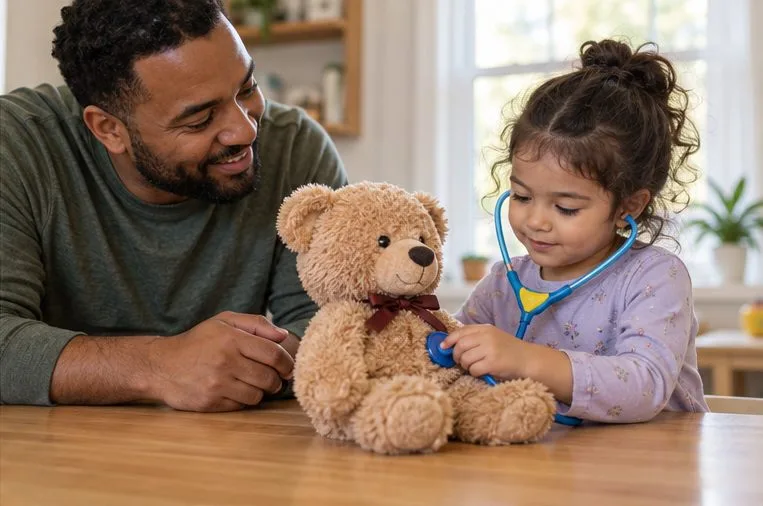
Help your child feel more prepared for a doctor visit with honest, age-appropriate explanations, simple choices, comfort items, and a practical plan for questions or procedures.
When homework runs long, track where time goes, check the task and routine, and work with the teacher if the pattern repeats. Learn what to watch for and when to ask for support.
Learn how one flexible family meal, a familiar food, and low-pressure repeat exposure can make dinner easier for picky eaters—plus when to ask a pediatrician for help.
The clocks fall back on November 1, 2026. Use a gentle bedtime plan, familiar routines, and morning light to help your child adjust.
Plan five low-cost October half-term outings with a preschooler, from libraries and museums to parks and art trails. Check dates, booking, and total costs first.
Learn how to determine your baby’s caloric needs, including the calories in breast milk and formula, to ensure your infant gets the right nutrition for healthy growth.