How to Teach Chores Without Redoing Every Task for Your Child

Teach kids to do chores with fewer reminders: set a clear finish line, model one task, step back, and correct only what is unsafe or unfinished.

Infants' resistance is often very poor, which makes them susceptible to a number of diseases. In particular, polio is an extremely dangerous disease. Therefore, it is extremely important to get polio vaccine to avoid complications that are dangerous for children.
So how does polio vaccine work and what should be kept in mind when used? Let's find out with aFamilyToday Health through the following article!
The vaccine helps protect children from polio, a highly contagious disease caused by a virus that invades the nervous system. Before the vaccine was introduced in 1954, more than 20,000 cases of polio were reported annually in the United States and about 1,000 deaths a year.
Up to 95% of people infected with the virus have no symptoms and many with only mild symptoms, such as sore throat, fever, stomach pain or nausea. Less common symptoms include headache, cramps in the neck, back, or legs. About less than 1% of people infected with the polio virus will be permanently paralyzed.
Polio outbreaks still occur in Africa and the Middle East, so visitors to these regions can easily carry the virus. Even so, many health experts believe the vaccine will be effective against polio worldwide within a few decades.
All 4 doses of inactivated polio vaccine (IPV) are administered by injection. The vaccine is sometimes given concurrently with other vaccines such as DTaP, hepatitis B or Hib vaccine.
However, it has a rare but dangerous side effect. About 1 in 2.4 million people vaccinated with oral polio vaccine are infected with the polio virus.
The recommended number of doses is 4 and is given at 2 months, 4 months, 14–18 months, and 4–6 years.
Children who have ever had a life-threatening allergic reaction to the antibiotic neomycin, streptomycin or polymyxin B or who had had a severe reaction to a previous dose of this vaccine should not continue getting the next dose.
Children with moderate to severe illness should wait until they recover before being vaccinated. Many babies will probably feel some pain at the injection site. There have not been any serious side effects with the polio vaccine.
Serious allergic reactions are possible but are quite rare with this vaccine.
If your child has any side effects to this or any other vaccine, tell the doctor right away to avoid problems that could harm them.
Teach kids to do chores with fewer reminders: set a clear finish line, model one task, step back, and correct only what is unsafe or unfinished.
Learn why toilet-trained children may start having pee or poop accidents again, what patterns to track, how to respond calmly, and when to call the pediatrician.
A child may repeat a reassurance question to process information, seek connection, or manage worry. Learn how to respond and when persistent anxiety needs support.
Learn how to set screen-time boundaries with predictable routines, warnings, calm follow-through, and better transitions—without turning every device handoff into a fight.
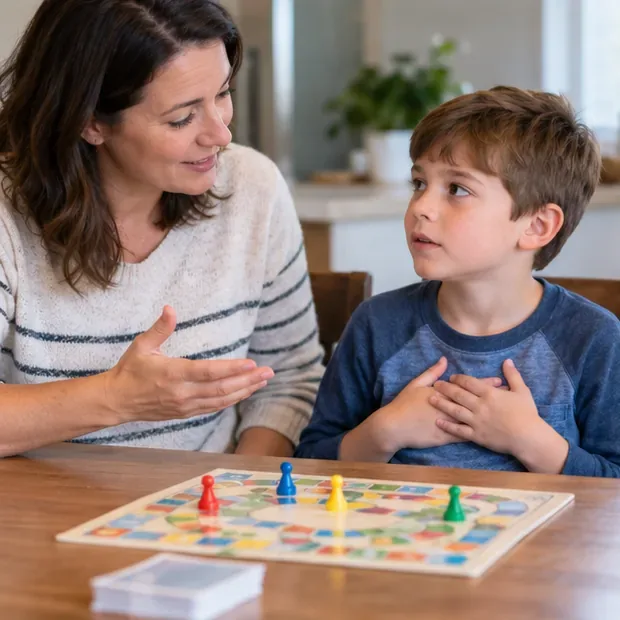
Teach children to handle losing without shame or explosive anger by validating feelings, setting behavior limits, modeling recovery, and practicing at the right difficulty.
A calm, practical plan for after-school meltdowns: reduce overload, keep limits clear, track patterns, coordinate with school, and know when to seek help.
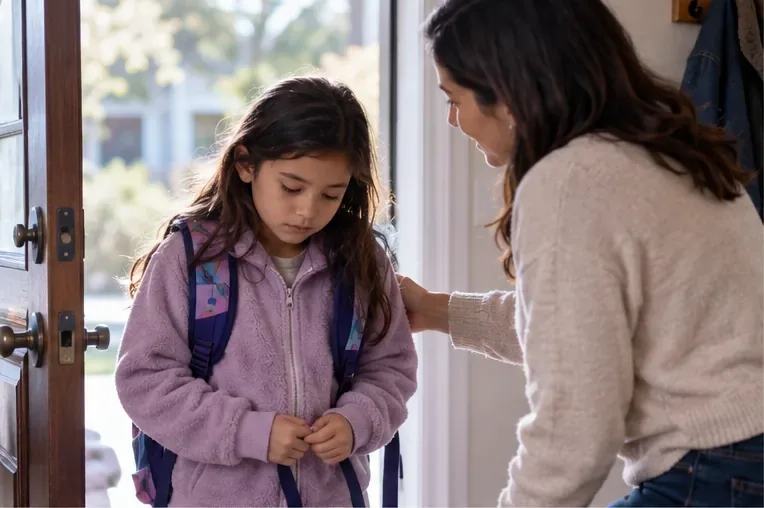
Learn how to respond when a child feels unwanted, ask supportive questions, recognize bullying or ongoing distress, and know when to seek extra help.
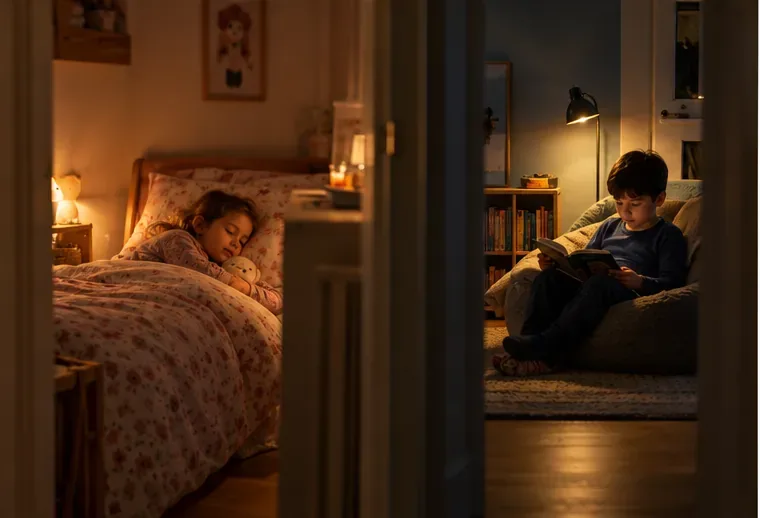
Learn how to set up a shared bedroom for siblings with different bedtimes, from planning around age-based sleep needs to creating separate sleep spaces and quiet routines.
Compare full-day, gradual, and temporary at-home return plans, plus health checks and school supports that can help a child reenter safely.
Learn when a child can try to solve a friendship problem, when adults should step in, and how to tell whether support is helping or needs to change.