How to Teach Chores Without Redoing Every Task for Your Child

Teach kids to do chores with fewer reminders: set a clear finish line, model one task, step back, and correct only what is unsafe or unfinished.

Fungal skin diseases are very easy to happen in young children. It is essential to understand the cause of the disease and to treat it promptly so that your child can function comfortably and not feel uncomfortable.
Fungal skin disease is a skin condition infected with a skin fungus (dermatophyte) that lives on dead skin cells, hair, nails or even the scalp.
When your child has an upper condition in between their toes, it's called athlete's foot or athlete's foot. If the yeast infection spreads to the child's groin, it is called thrush or itchy jock.
Initial signs show that when a child has a fungal infection, the infected skin will become a rash, red, scaly and very itchy. These itchy areas will then turn into circular or oval plaques. The baby may have one or several scaly patches. The outside of the scales may be swollen and pore-shaped.
Fungi of the skin on the scalp usually starts with a small bump or sore. These sores then turn into flaky or fish-scaly patches, and the child will feel pain on their head. Your baby will experience hair loss in the fungal scalp area.
Fungal pathogens are everywhere. However, there are ways that parents can protect their children from fungus or prevent the fungus from spreading like:
Keep baby's body clean and dry;
Wear slippers even at home, in the changing rooms or in public bathrooms;
Change socks and underpants for children when they are soiled or sweaty;
Children should not share clothes or towels with others;
Keep children's sports gear and clothing clean and do not let them share them with others.
After playing with a pet, parents should wash their hands with soap and water. If the pet has fungus, it is necessary to immediately consult a veterinarian for treatment. Thus, the risk of the fungal disease spreading to the child will be eliminated.
If parents want to treat their child's infected skin with an over-the-counter antifungal cream, clean the affected area first. Choose a product that contains 1−2% clotrimazole or miconazole and be sure to ask your pharmacist about its use, side effects and contraindications.
Parents should apply a sufficient amount of cream on the fungal skin area for the baby, should spread out the edge a little bit 2 times a day. Continue to apply the medication to your child for more than a week to two weeks after the rash has gone. Parents remember to wash their hands thoroughly after applying medicine to their children. Some children are sensitive to these creams, so parents need to apply a little first to see how their skin reacts. If your child's rash gets worse, take him or her to the doctor to find an alternative.
Usually, fungal skin conditions improve within 4 weeks of treatment. If your baby has been suffering for longer than that, see a doctor. In cases where a child has a fungus of the scalp, it is very difficult to treat with antifungal creams, so it is necessary to take the child to the doctor to be prescribed a special treatment and shampoo that is suitable for the child's scalp. Follow these methods to eliminate all fungal skin diseases from your home environment.
Gently wash and dry the infected skin of the child. Pay attention to the skin between the toes and skin folds as well;
Clean hands after applying antifungal creams or shampoos;
Keep children's towels, bed sheets, clothes, combs and toys separate. Wash regularly to remove pathogenic fungal spores;
Dress your child in cool clothing, preferably long pants and a long-sleeved shirt that can cover the child's arms and legs;
Children should not have long nails because when they scratch their skin, they will accidentally infect other parts of the body.
Fungal skin disease is not too dangerous but if not treated properly, it will make it difficult for children to live and make the disease more serious. Hopefully, with the above sharing, parents will know how to prevent and take care of their children when they have ringworm.
Teach kids to do chores with fewer reminders: set a clear finish line, model one task, step back, and correct only what is unsafe or unfinished.
Learn why toilet-trained children may start having pee or poop accidents again, what patterns to track, how to respond calmly, and when to call the pediatrician.
A child may repeat a reassurance question to process information, seek connection, or manage worry. Learn how to respond and when persistent anxiety needs support.
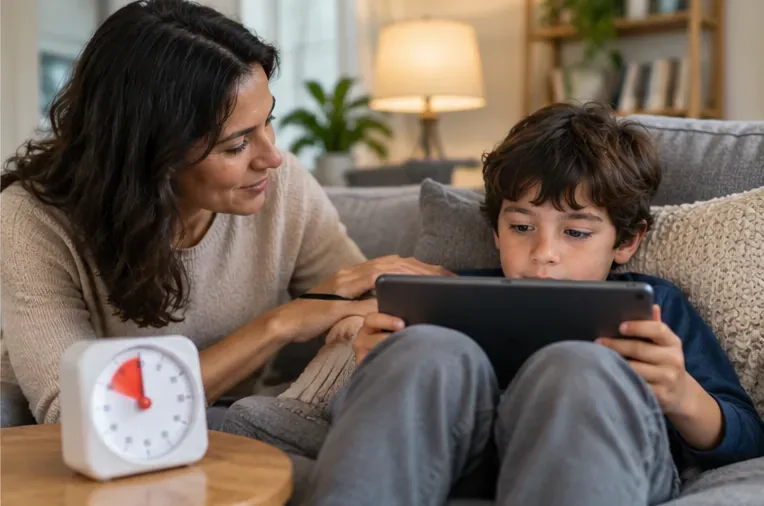
Learn how to set screen-time boundaries with predictable routines, warnings, calm follow-through, and better transitions—without turning every device handoff into a fight.
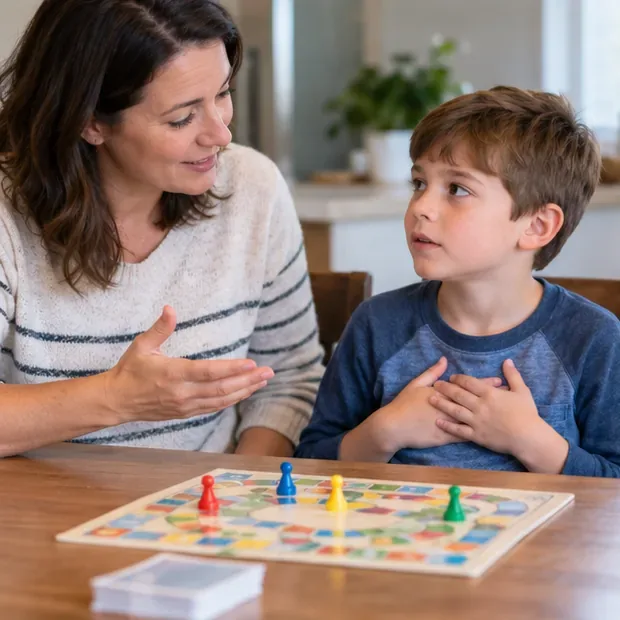
Teach children to handle losing without shame or explosive anger by validating feelings, setting behavior limits, modeling recovery, and practicing at the right difficulty.
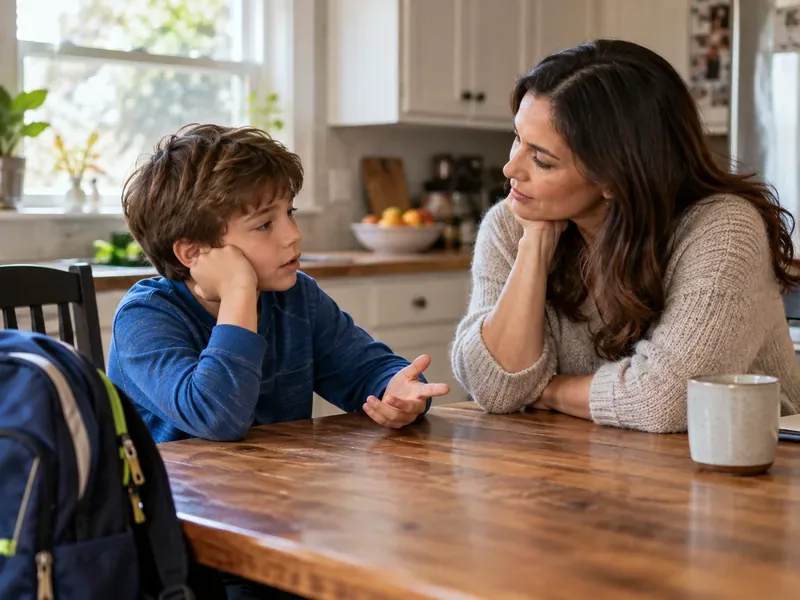
A calm, practical plan for after-school meltdowns: reduce overload, keep limits clear, track patterns, coordinate with school, and know when to seek help.
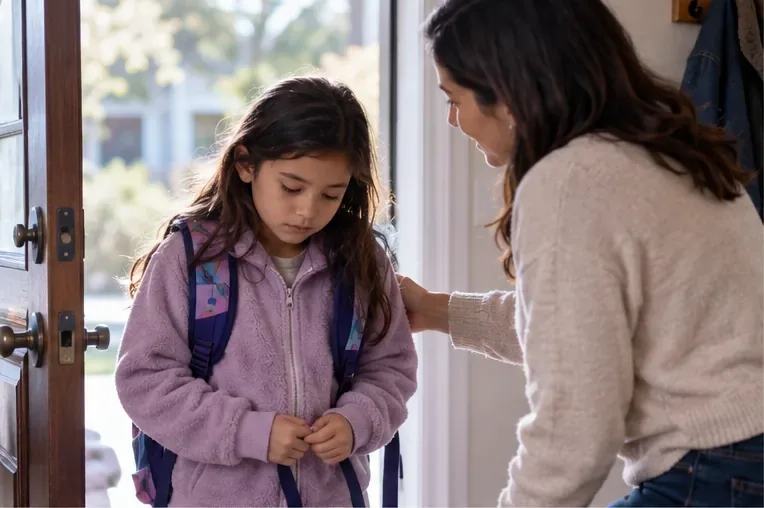
Learn how to respond when a child feels unwanted, ask supportive questions, recognize bullying or ongoing distress, and know when to seek extra help.
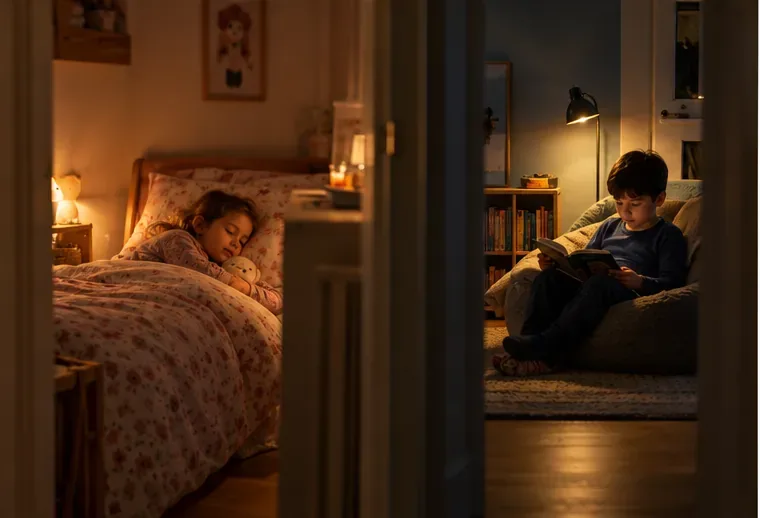
Learn how to set up a shared bedroom for siblings with different bedtimes, from planning around age-based sleep needs to creating separate sleep spaces and quiet routines.
Compare full-day, gradual, and temporary at-home return plans, plus health checks and school supports that can help a child reenter safely.
Learn when a child can try to solve a friendship problem, when adults should step in, and how to tell whether support is helping or needs to change.