How to Teach Chores Without Redoing Every Task for Your Child
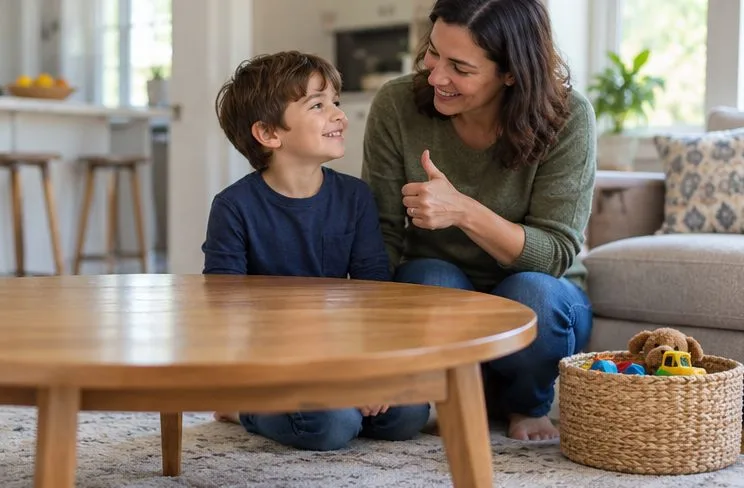
Teach kids to do chores with fewer reminders: set a clear finish line, model one task, step back, and correct only what is unsafe or unfinished.
In life, babies need to communicate with many people around. Learn about the child's communication development from 1 to 4 years old to help her develop better.
As a parent, you really hope that you can communicate with your child easily. However, in the stage of not knowing how to speak, this communication becomes quite difficult. Therefore, the support of parents so that the baby can communicate well is always needed. Not only communicating with parents, babies also communicating with people around and friends. Let aFamilyToday Health learn about the child's communication ability in the 1-4 year old period. From there, you will have reasonable support measures.
At this age, you'll notice that your baby can:
1-year-olds mostly point their fingers to communicate when new strangers or objects appear.
When you see grandparents, babysitters and other familiar people, your baby will greet them with a smile or a cry, depending on the baby's mood. If your child does not pay attention to anyone around him, that can be an alarming sign. Parents often want babies to know everyone around them, even cry when strangers approach.
If the little angel can hold a toy, this shows that the baby is ready and able to communicate with others. At this point, you can teach your baby some easy things such as pointing eyes, pointing head, clapping hands, wind lashes, waving goodbye. However, you should not expect too much that your baby will fulfill all of your requirements. Sometimes the baby will do very well according to your request but other times the baby will do nothing.
Around this age, baby can interact with people around more but still like to play with mom and dad. Your baby is also capable of:
Children often play in parallel, meaning they will play side by side instead of playing together. Your baby doesn't have a lot of interactions at this stage either, but it is still important to allow time to interact with children of the same age.
This is the stage when your child begins to scramble with toys and make a declaration: "Your child's". Of course, if you want your children to share, you will have difficulty because 2-year-olds cannot understand the thoughts of their peers. Your child's communicative behavior reflects self-control thoughts and behaviors stemming from desires. Be a role model for your baby by sharing with others so that your child can learn this great thing.
Show interest in others is an important part of communication. Children will begin to look for interactions that go beyond familiar ones like playing with grandparents or waving to adults. The little angel is learning how to integrate with this vast society.
Although some children are not as friendly as their friends, you are not in a hurry to think that they are shy. It is normal for children to need some time to interact with people who are not known or not seen often. Give your baby time to adapt to new situations and follow his or her thinking.

My baby can soon start kindergarten , where he will make new friends to have fun with. At this point, you will notice that your baby is capable of:
Your baby will begin to incorporate activities like running and looking for others. It is important at 3 years that you give your child a chance to play with friends. In addition, children will need help handling and reacting to communication situations. While your baby can understand some safety rules, you should often gently remind them.
Baby will learn many things from parents. So, point out different feelings (happy, sad, scared) when watching TV or reading a book . This will help babies become more aware of their own feelings as well as those of others. In addition, children also begin to show empathy by hugging and kissing when needed.
Normally, when your baby is 4 years old, you will send him to kindergarten and from here on, the opportunity to make acquaintances with new friends also gradually widens with capabilities such as:

Children will enjoy playing with their peers and interacting with friends more. Experts say this is a good time to sign up for your child to join a sports club. You can choose activities that do not have too many rules. If not, the baby will quickly lose interest and not want to play the sport again.
Although children can still compete with each other with toys, they can partly understand the concept of sharing or patiently waiting for their turn. Subconsciously, children have known to think about the feelings of their neighbors, thereby forming negotiation skills, verbal conflict resolution, emotional control and intervention in other children's actions.
Now, the little angel is beginning to show her love for family and friends with hugs and kisses, especially when the child finds them struggling, sad. Children at this age can exhibit a variety of interactive behaviors such as sharing and showing sympathy.
Many parents want to build an independent character for their children, but sometimes they go in the wrong direction and lead to the opposite results. For example, parents always urge children to know how to dress themselves or put toys in the right place. However, letting your baby feel comfortable and confident in himself is an important part of developing an independent character, especially as he gets older.
Teach kids to do chores with fewer reminders: set a clear finish line, model one task, step back, and correct only what is unsafe or unfinished.
Learn why toilet-trained children may start having pee or poop accidents again, what patterns to track, how to respond calmly, and when to call the pediatrician.
A child may repeat a reassurance question to process information, seek connection, or manage worry. Learn how to respond and when persistent anxiety needs support.
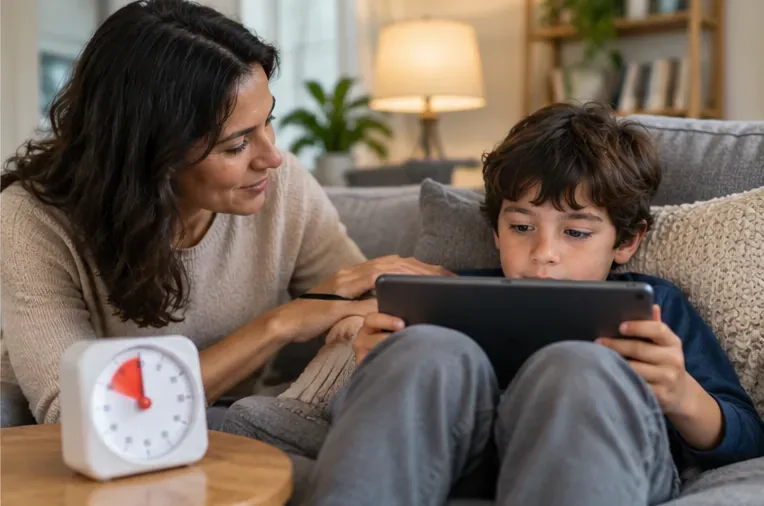
Learn how to set screen-time boundaries with predictable routines, warnings, calm follow-through, and better transitions—without turning every device handoff into a fight.
Teach children to handle losing without shame or explosive anger by validating feelings, setting behavior limits, modeling recovery, and practicing at the right difficulty.
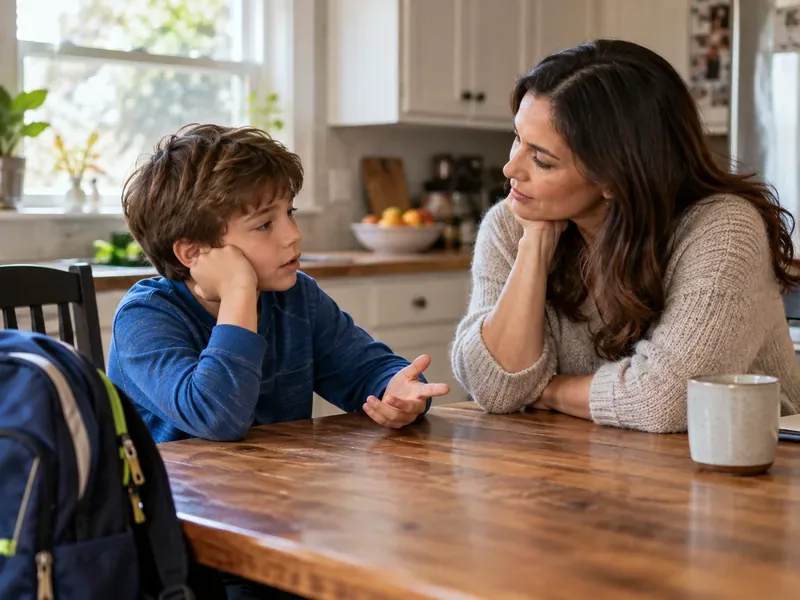
A calm, practical plan for after-school meltdowns: reduce overload, keep limits clear, track patterns, coordinate with school, and know when to seek help.
Learn how to respond when a child feels unwanted, ask supportive questions, recognize bullying or ongoing distress, and know when to seek extra help.
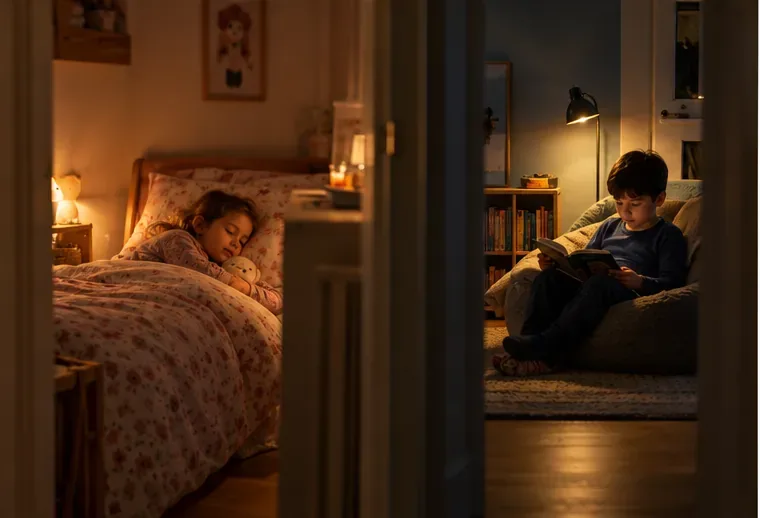
Learn how to set up a shared bedroom for siblings with different bedtimes, from planning around age-based sleep needs to creating separate sleep spaces and quiet routines.
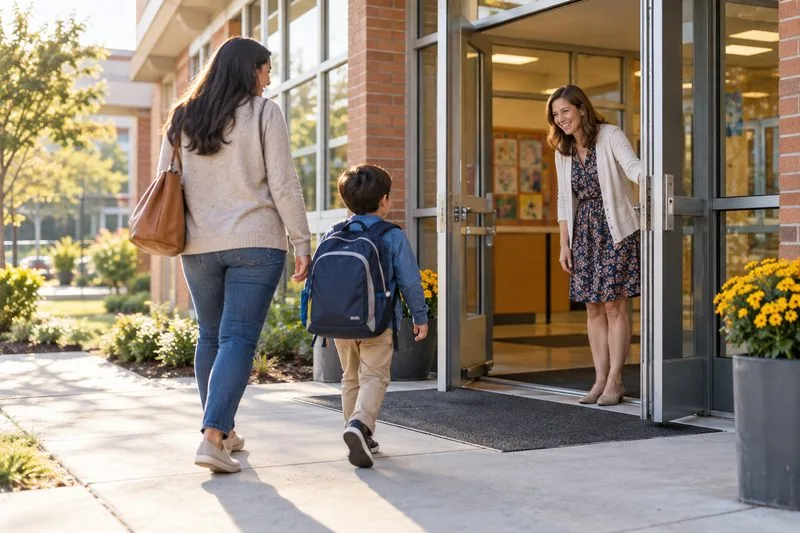
Compare full-day, gradual, and temporary at-home return plans, plus health checks and school supports that can help a child reenter safely.
Learn when a child can try to solve a friendship problem, when adults should step in, and how to tell whether support is helping or needs to change.