How to Teach Chores Without Redoing Every Task for Your Child

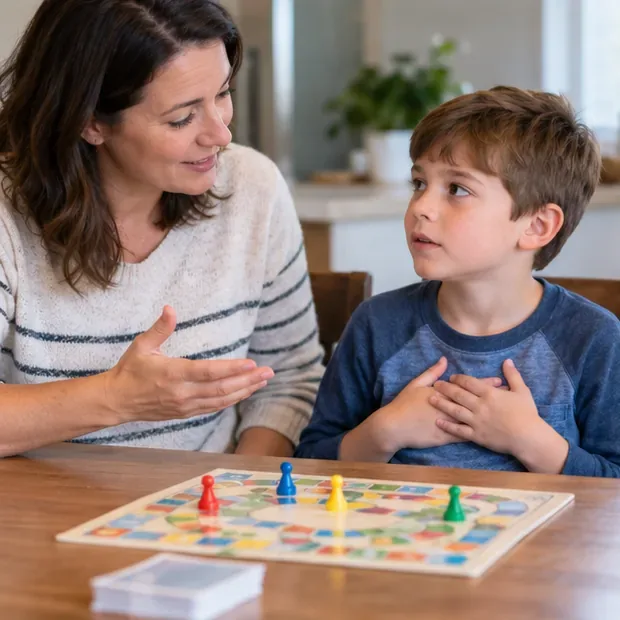
Teach kids to do chores with fewer reminders: set a clear finish line, model one task, step back, and correct only what is unsafe or unfinished.
Hives are usually caused by an allergy, and in some cases go away on their own within 24 hours. Urticaria is very common in children and most children get it at least once in their life.
Urticaria in children is classified based on 2 factors: duration and severity of the disease.
By the time:
Acute urticaria: Usually occurs within 24 hours or lasts less than 6 weeks
Chronic urticaria: Lasts more than 6 weeks to many years
According to the degree of disease:
Common urticaria: Suddenly appears with very itchy, pink papules that may or may not spread but go away quickly within a few hours and leave almost no scarring.
Quincke's edema: Appears suddenly with a large, stretchy, swollen rash. Even causes edema in the tongue, larynx and can cause respiratory failure leading to death if not handled promptly.
Embossed skin: When using a light scrub, pink streaks appear on the skin in accordance with the drawn shape.
Here's what parents and everyone should know about managing urticaria in children:
Rashes in children are no different than in adults. They are simply red spots that appear on a spot or area of skin.
Fortunately, it is non-infectious and goes away quickly usually within 24 hours. As adults, a child's rash appears when the child comes in contact with allergens.
Causes of urticaria:
Due to physical factors such as trauma, rubbing.
Due to contact with foreign objects through skin, respiratory tract, eating, drinking, medicine, cosmetics, insects, parasites, bacteria ...
Due to genetics, mainly cold allergies.
Due to systemic diseases: There may be urticaria associated with systemic lupus erythematosus , malignant tumors , hyperthyroidism ... There are also many cases of urticaria but the cause cannot be identified.
Although the cause is similar to that of adults, the rash usually comes mainly from food. Milk, eggs, peanuts, wheat and soybeans are the most common allergenic foods.
Food allergies can cause anaphylactic shock that can lead to death. Therefore, patients need special and urgent care.
Its symptoms include: shortness of breath, dizziness, vomiting, abdominal pain, diarrhea, tachycardia, sore throat, and hoarseness.
In addition, urticaria also causes angioedema, causing swelling in the eyes, lips, hands, feet and genitals, affecting breathing problems.
If your child is wheezing or having trouble breathing, get medical help right away.

If the rash doesn't accompany any of the above, then the disease can be treated at home. It is important to help your baby feel comfortable, as the rash is both itchy and uncomfortable.
The rash will usually go away on its own and pose no additional risk or symptoms.
To relieve the symptoms of itching, it is best to take a histamine, such as Benadryl or Claritin. However, take the drug only with a doctor's guidance.
Scratching is a natural body's response to itching, but scratching causes the urticaria to rupture, putting the baby at a higher risk of infection. Ideally, you should pay attention and prevent your baby from scratching the hives.
Dress your baby in clothes that cover the hives to prevent scratches, or place a cool towel on it to relieve the itch.

The American Academy of Dermatology recommends bathing your child with warm water, but limit bathing to 10 minutes and adding oats to the water. This will reduce the itching further and avoid using foaming baths.
After bathing, moisten your child's skin with lotion and dress comfortably.
You should also adjust the indoor temperature. Too hot or too cold will worsen urticaria.
Please save all these notes, in case the baby has a relapse. Note carefully when your child has a rash, what he has eaten before, what contact with, this will help you limit the risk of allergy in your child.
There are many foods that are benign for one child but that are dangerous for another. So when a child has urticaria, parents need to pay attention to find out what the child should and should not eat.
Foods children should not eat with hives:
seafood
Beef, cow's milk
Peanut
Food with a lot of salt and sugar
Hot spicy or fried food
Carbonated soft drinks
You should give your child plenty of green vegetables and fruits to supplement vitamins A, B, C and fiber to enhance the body's resistance. Foods that are easy to digest and prevent constipation should also be prioritized including: sweet potatoes, bitter melon, oranges, lemons, tomatoes ...
If your child continues to have hives, contact your doctor. The doctor will want to be specific about the symptoms that have occurred, including what medications the baby has taken. Call your doctor if the hives or swelling persists for more than 24 hours and does not change.
Based on the information provided, the doctor will perform several tests and prescribe antihistamines.
Teach kids to do chores with fewer reminders: set a clear finish line, model one task, step back, and correct only what is unsafe or unfinished.
Learn why toilet-trained children may start having pee or poop accidents again, what patterns to track, how to respond calmly, and when to call the pediatrician.
A child may repeat a reassurance question to process information, seek connection, or manage worry. Learn how to respond and when persistent anxiety needs support.
Learn how to set screen-time boundaries with predictable routines, warnings, calm follow-through, and better transitions—without turning every device handoff into a fight.
Teach children to handle losing without shame or explosive anger by validating feelings, setting behavior limits, modeling recovery, and practicing at the right difficulty.
A calm, practical plan for after-school meltdowns: reduce overload, keep limits clear, track patterns, coordinate with school, and know when to seek help.
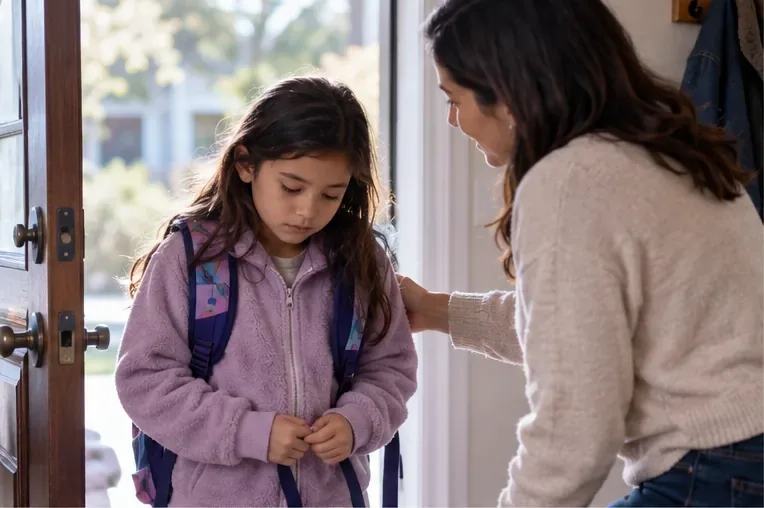
Learn how to respond when a child feels unwanted, ask supportive questions, recognize bullying or ongoing distress, and know when to seek extra help.
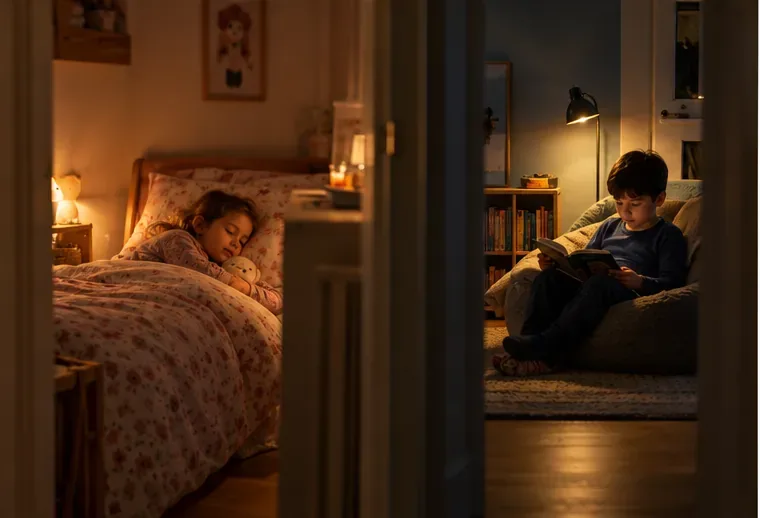
Learn how to set up a shared bedroom for siblings with different bedtimes, from planning around age-based sleep needs to creating separate sleep spaces and quiet routines.
Compare full-day, gradual, and temporary at-home return plans, plus health checks and school supports that can help a child reenter safely.
Learn when a child can try to solve a friendship problem, when adults should step in, and how to tell whether support is helping or needs to change.