How to Teach Chores Without Redoing Every Task for Your Child
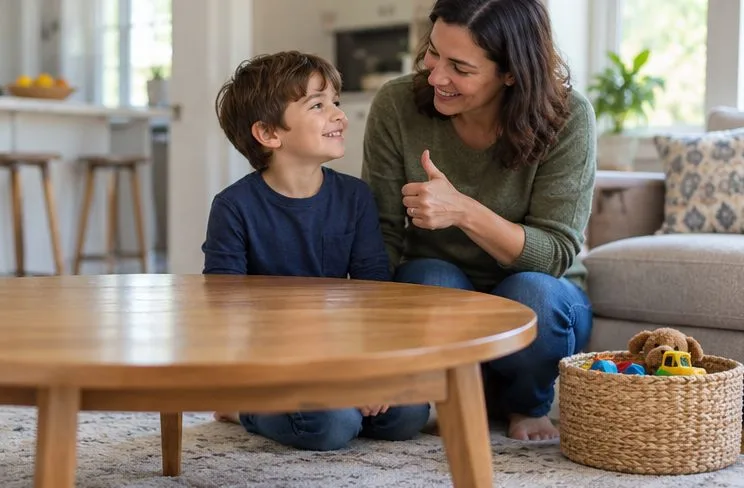
Teach kids to do chores with fewer reminders: set a clear finish line, model one task, step back, and correct only what is unsafe or unfinished.

There are many ways for parents to be more active instead of letting them play games or stay in the room all day, because it is very harmful and affects the child's development.
Physical activity in children is very important, as they help children develop healthy muscles, maintain good health and help children explore the world around them. Besides, parents also play an important role in encouraging children to be more active.
Parents can be a role model for their children by exercising diligently. Children who see parents respond to physical activities will be more active and healthier. You should encourage your child to be physically active by giving them practice together. Taking your child on a mountain hike with family on the weekend or walking after dinner with a healthy child can also help you and your baby be happy together.
A puppy can help children be more active and teach them to be more responsible. Taking the dog for a walk or playing outdoor games with a friend gives your child a chance to enjoy physical activity.
Walking to school has many benefits, which not only help your child feel healthy, but also give them the opportunity to learn and practice traffic laws. Other activities for your baby, such as cycling or scooter scooters in the neighborhood, are both active and safe.
Some studies show that children who stay outside for more than 20 minutes a day and watch a green space are 5 times more active than children just lounging indoors. The outdoor environment can promote children's physical activity. Taking your child to the park and spending a lot of time outside in nature will give them the opportunity to be active, to be healthier, and to develop their height .
Your children can become more active when they spend time with friends rather than playing alone. You should schedule weekends to give your child a chance to play with his friends. Without letting your child settle in, sometimes children can be as stressed as adults.
Children can be addicted to cell phones. This can lead to a limited physical activity in the child, increasing the rate of obesity in the child . Parents can help their children stay away from devices and give their children active toys such as balls, jump ropes ... In addition, parents should limit the amount of time they spend watching TV and using their computers, so they Use free time for physical activities.
When your child is ready for an activity, be sure to remind them to pay attention to their body. Light physical activity and exercise, not doing things that hurt the body. If this happens, the child should be less active. If the child's weight falls below normal, you should consult a doctor immediately.
Teach kids to do chores with fewer reminders: set a clear finish line, model one task, step back, and correct only what is unsafe or unfinished.
Learn why toilet-trained children may start having pee or poop accidents again, what patterns to track, how to respond calmly, and when to call the pediatrician.
A child may repeat a reassurance question to process information, seek connection, or manage worry. Learn how to respond and when persistent anxiety needs support.
Learn how to set screen-time boundaries with predictable routines, warnings, calm follow-through, and better transitions—without turning every device handoff into a fight.
Teach children to handle losing without shame or explosive anger by validating feelings, setting behavior limits, modeling recovery, and practicing at the right difficulty.
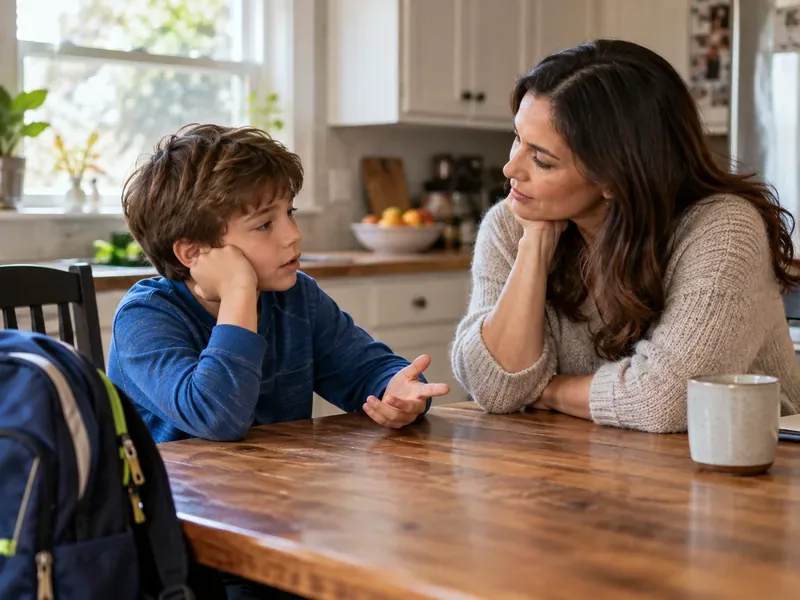
A calm, practical plan for after-school meltdowns: reduce overload, keep limits clear, track patterns, coordinate with school, and know when to seek help.
Learn how to respond when a child feels unwanted, ask supportive questions, recognize bullying or ongoing distress, and know when to seek extra help.
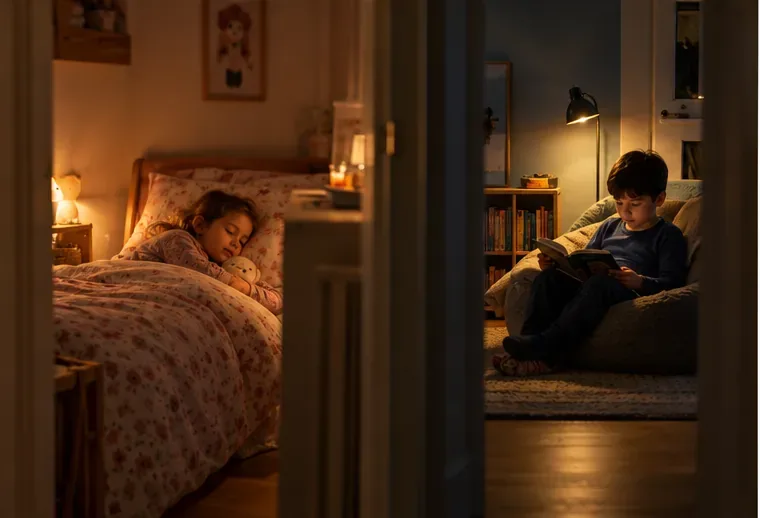
Learn how to set up a shared bedroom for siblings with different bedtimes, from planning around age-based sleep needs to creating separate sleep spaces and quiet routines.
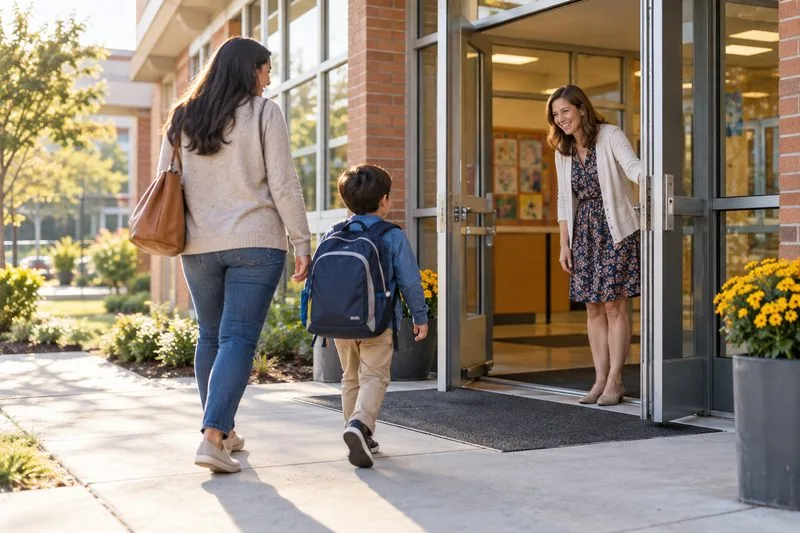
Compare full-day, gradual, and temporary at-home return plans, plus health checks and school supports that can help a child reenter safely.
Learn when a child can try to solve a friendship problem, when adults should step in, and how to tell whether support is helping or needs to change.