How to Teach Chores Without Redoing Every Task for Your Child
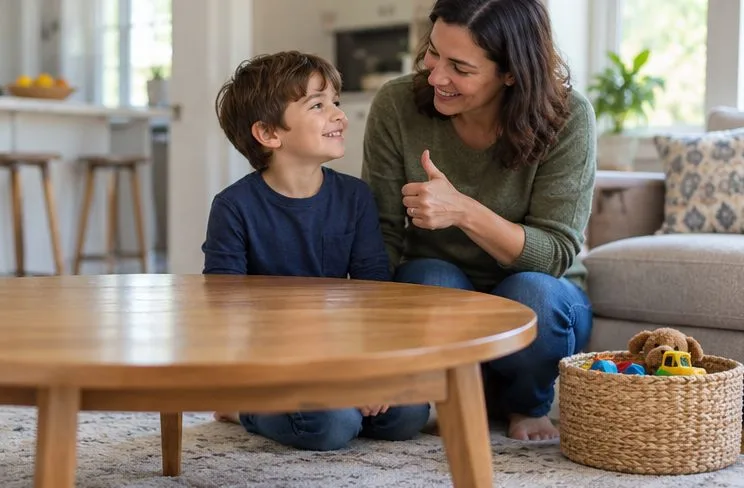
Teach kids to do chores with fewer reminders: set a clear finish line, model one task, step back, and correct only what is unsafe or unfinished.
Leaving your baby alone at home is not too scary if you know the precautions and set the rules for your baby to follow.
Summer is a time when kids don't go to school, many kids stay home because they don't attend extracurricular classes or extra-curricular classes that only take a few hours. So many parents, because of work, have to leave their children alone for a certain period of time without anyone looking after them. If this is the case, you should learn ways to keep your baby safe while at home alone, how to deal with strangers and the dangers of absent parents.
Before learning tips for keeping children safe, you must consider whether or not to leave your baby alone in certain circumstances. Here are some suggestions you can consider:
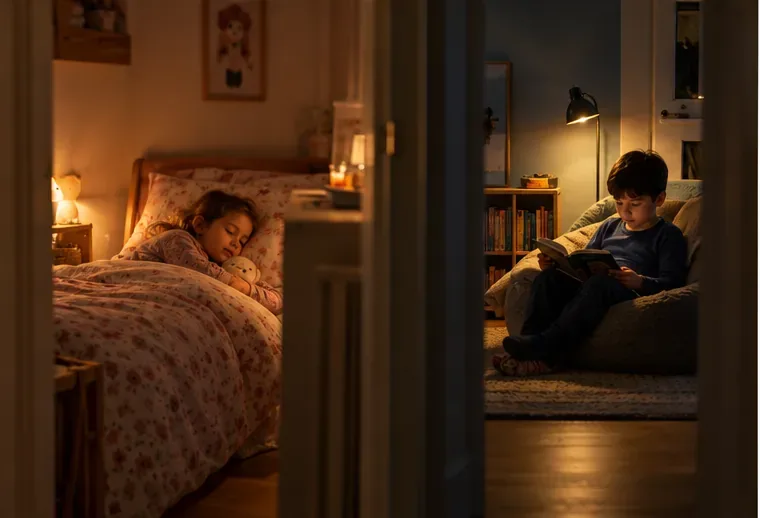
Although an accident can happen at any time of the day, finding help during the day is easier than at night. In addition, young children often feel scared if they are left alone at home when it is dark. Ideally, you should only leave your baby at home alone for a short period of time during the day.
Before deciding whether or not to leave your child at home alone, you need to evaluate his or her ability to be home alone. Therefore, you should answer the following questions:
Will the baby be old enough, at least 10 years old, to be alone at home?
Can children talk, make phone calls, lock their own doors and yell for help from neighbors?
Can the child provide first aid when injured?
This is especially important when leaving the child alone for more than a few hours. If you can't get home on time, is there a relative nearby or a trusted neighbor who can assist you in babysitting? Once the question is resolved, you can go out while your child is still at home playing alone.

Here are some suggestions that you can refer to to keep your baby safe:
If your child comes home from school by himself without a parent to pick you up, ask him to call you as soon as he gets home. In addition, you should preset the number of you, your loved one in the phone book and instruct your child to only receive incoming calls from the named numbers.
Post a list of numbers on the refrigerator, on a bookshelf, or anywhere they can easily see. The list should contain all the emergency contacts, including those to your spouse's office, the number of a relative, the number of a neighbor or any other person you think your child might have. Get help when you need it.
Teach your children what to do if they are injured or need help. You can have your child try to practice assuming emergencies. If you feel that the next door neighbor is trustworthy, ask for their number and contact if you can't call your child while he or she is alone.
Absolutely advise young children not to come into contact with the fire to avoid the risk of fire. Should carefully lock the stove, gas bottle valve, unplug the super-speed kettle before going out. On the other hand, before going out and getting close to meals, prepare baby snacks and keep them on a table where they can easily get them.
When your baby is alone at home, create rules and schedules for them and make them a habit when adults are not there, such as prioritizing work first, reading first and then watching TV or play games.
When adults are around, children tend to be more obedient because they want to avoid being blamed. However, your baby can become surprisingly mischievous if you aren't at home. To avoid unfortunate accidents, parents can consider installing safety nets or bars for window frames or balconies.
Pesticides, toilet cleaners, mosquito sprays, paints ... all have the risk of causing poisoning when inhaled or swallowed. These and other similar substances must be collected in a certain place, locked and inaccessible for children.
Sharp objects such as knives, scissors, kitchen tools, repair tools ... are also dangerous to young children. With inherent curiosity, your child may want to touch the above objects and accidentally get hurt. Therefore, put them in a place where your baby cannot reach them.
While it may sound extreme, one of the best ways to stop your child from opening doors to strangers is to simply lock the door from the outside. However, when doing this, make sure that the house has all the necessary necessities such as food, water ... for your baby to use and live as normal.
If you can't lock the door from the outside, create a code that only parents and children know each other. This will help your baby distinguish who is an acquaintance and a stranger. The code can be a sentence or a question, when the baby reads the first half of the sentence, the person on the outside has to answer correctly, if wrong, he / she will not open the door until parents return.
Parents should come up with the rules and make the baby obey such as:
You are not allowed to leave the house
You mustn't open the door to anyone in the house, not even friends
Always look through the binoculars to check for a parent or relative before opening the door
Never open the door to strangers, delivery staff, electric water / air conditioner ...
Do not use matches or lighters
Babies must not tell anyone that they are alone at home.
Nothing promotes better behavior than a reward! After telling them what you need to do, you can tell them that they will be rewarded if they follow the rules and that everything in the house is as neat as it was before their parents left.
Leaving your child alone at home is a big step for any parent. However, with appropriate precautions and support from trusted people, young children can safely play without an adult nearby.
Teach kids to do chores with fewer reminders: set a clear finish line, model one task, step back, and correct only what is unsafe or unfinished.
Learn why toilet-trained children may start having pee or poop accidents again, what patterns to track, how to respond calmly, and when to call the pediatrician.
A child may repeat a reassurance question to process information, seek connection, or manage worry. Learn how to respond and when persistent anxiety needs support.
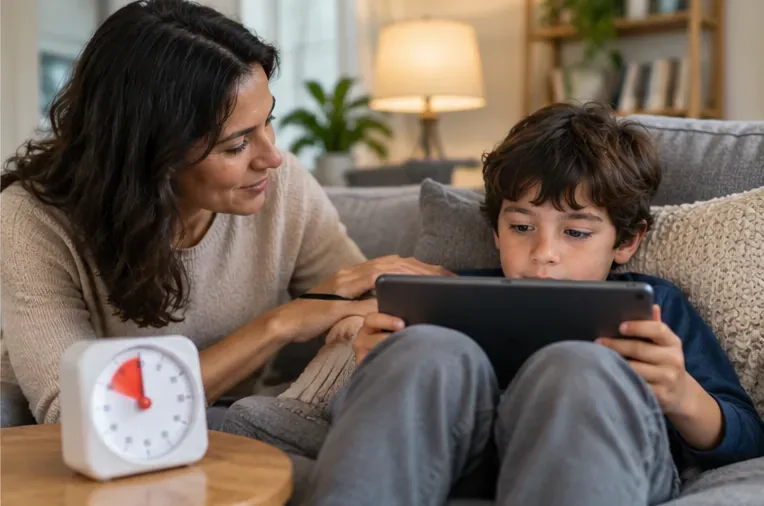
Learn how to set screen-time boundaries with predictable routines, warnings, calm follow-through, and better transitions—without turning every device handoff into a fight.
Teach children to handle losing without shame or explosive anger by validating feelings, setting behavior limits, modeling recovery, and practicing at the right difficulty.
A calm, practical plan for after-school meltdowns: reduce overload, keep limits clear, track patterns, coordinate with school, and know when to seek help.
Learn how to respond when a child feels unwanted, ask supportive questions, recognize bullying or ongoing distress, and know when to seek extra help.
Learn how to set up a shared bedroom for siblings with different bedtimes, from planning around age-based sleep needs to creating separate sleep spaces and quiet routines.
Compare full-day, gradual, and temporary at-home return plans, plus health checks and school supports that can help a child reenter safely.
Learn when a child can try to solve a friendship problem, when adults should step in, and how to tell whether support is helping or needs to change.