How to Teach Chores Without Redoing Every Task for Your Child

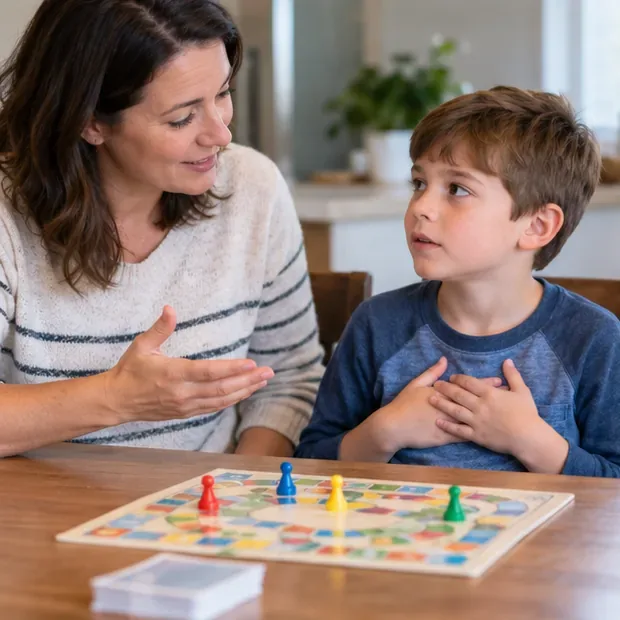
Teach kids to do chores with fewer reminders: set a clear finish line, model one task, step back, and correct only what is unsafe or unfinished.
Although genital warts in children do not have a major effect on the baby's health, they still need to be closely monitored to avoid spreading to others.
In terms of medicine, genital warts in children is quite harmless because the disease only affects the child's skin surface. However, in other aspects such as aesthetics or movement, this situation can make the baby uncomfortable. The following article, aFamilyToday Health will give you the necessary information about the cause, how to help prevent and the best treatment.
Genital warts are when an area of skin becomes hard and rough, you can also call it by the name warts. Genital warts come in many sizes, colors, shapes and appear anywhere on the body. Some other information about the disease include:
The disease is uncommon in infants
Girls are more likely to get genital warts than boys
The disease is most common in children between the ages of 12 and 16
10-20% of children get warts caused by genital warts
Genital warts usually have a skin-like outer layer, but sometimes the nodules will darken a bit.
Genital warts in children are caused by human papillomavirus (HPV), which is classified as an overgrown skin that doesn't cause cancer. Genital warts form when a virus enters the skin through an open wound, such as a scratch. The virus then promotes the rapid growth of cells in the outer layer of the skin.

The warts caused by genital warts are usually painless but will still be uncomfortable if the papules are touched several times when the baby moves. Different types of warts are caused by genital warts that grow on different parts of the body. Some pimples have a smooth and flat appearance while others have a rough, swollen appearance.
Common types of genital warts include:
Common genital warts: The warts are easily seen on the fingers, hands, knees, and elbows. They are domed, gray-brown with a rough surface with black dots.
Flat genital warts: The warts will be flat and about the size of your fingertips. The flat warts can be pink, light brown, or yellow. Additionally, pimples usually appear on the face but can still persist in areas such as the arms, knees, or hands.
Verrucas: While most warts caused by genital warts are painless, warts under the feet are the opposite. Your baby will feel quite uncomfortable when active.
Filiform warts: The warts will be pink in color, shaped like a finger. They usually grow on or around the mouth, eyes, or nose.
Genital warts: Genital warts develop on the genitals. The pimple will be quite soft and will not have a rough surface like other types of acne.
The viruses that cause genital warts are usually transmitted from person to person. It takes several months after an infectious virus has entered the body for the new warts to appear. Some young children are more susceptible to warts than their peers. Babies with compromised immune systems, such as those who have had an organ transplant, are at increased risk of developing genital warts. In addition, if a child has a nail biting or skin-peeling problem, the risk of infection is quite high.
Children get this virus in many ways: Sharing towels and toys or while playing with friends. Of course, there is no sure way to prevent the risk of completely spreading the disease. On the other hand, there are a few methods that will help reduce the incidence of genital warts in children, such as:
Encourage your child to wear flip flops when going to the beach or swimming pool instead of wearing bare feet
Remind young children not to share towels, brushes or nail clippers with anyone
If a family member has the disease, have them spray diluted bleach all over the bathroom each time you shower.
As information has been mentioned earlier, genital warts are not harmful to the health of young children. Doctors have suggested that 40% of children with this disease will recover on their own within two years without treatment. However, many babies feel uncomfortable with this condition, such as warts on the feet, because they can interfere with daily activities. Therefore, consider using the following methods:
Apply castor oil on top of the pimple
Use over-the-counter medications after consulting your pharmacist
Crush 1 vitamin C tablet, then mix a little more water and gently dab on the rough skin several times
Stick a bandage on the pimples for 6 days, then use warm water to remove the tape.
However, keep in mind that not all is 100% effective, and genital warts in children can return at any time.

If the above methods have not worked, you should consider bringing your baby to the doctor for more effective treatments. There are usually two ways to heal: Destroy the warts or boost the immune system to push the body to clear the condition more quickly.
If you choose the method of destruction, the doctor will do it in 3 ways:
Freeze the wart with liquid nitrogen
Use lasers to destroy warts
Apply salicylic acid (BHA) and lactic acid (AHA) to soften the affected area.
For strengthening the immune system, the doctor can perform methods:
Injecting substances such as antigens into the wart
Some topical products such as squaric acid to enhance the immunity in the skin needing treatment
Assign your baby to use Tagamet to stimulate the immune system and clear the warts. This medication must be taken for two or three months to have a noticeable effect.
Children are more susceptible to skin infections, such as genital warts due to hyperactivity. However, do not be too worried if the situation does not make your baby uncomfortable. Also, follow the suggestions mentioned to limit your risk.
Teach kids to do chores with fewer reminders: set a clear finish line, model one task, step back, and correct only what is unsafe or unfinished.
Learn why toilet-trained children may start having pee or poop accidents again, what patterns to track, how to respond calmly, and when to call the pediatrician.
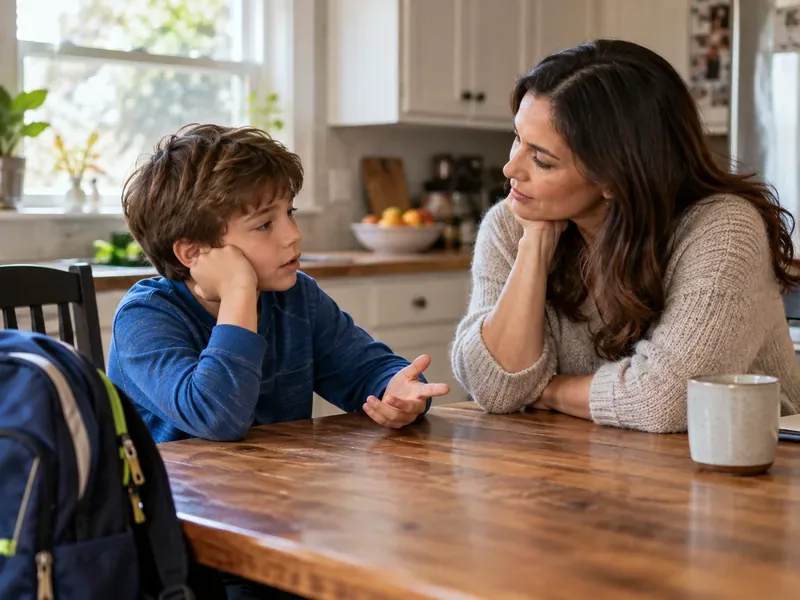
A child may repeat a reassurance question to process information, seek connection, or manage worry. Learn how to respond and when persistent anxiety needs support.
Learn how to set screen-time boundaries with predictable routines, warnings, calm follow-through, and better transitions—without turning every device handoff into a fight.
Teach children to handle losing without shame or explosive anger by validating feelings, setting behavior limits, modeling recovery, and practicing at the right difficulty.
A calm, practical plan for after-school meltdowns: reduce overload, keep limits clear, track patterns, coordinate with school, and know when to seek help.
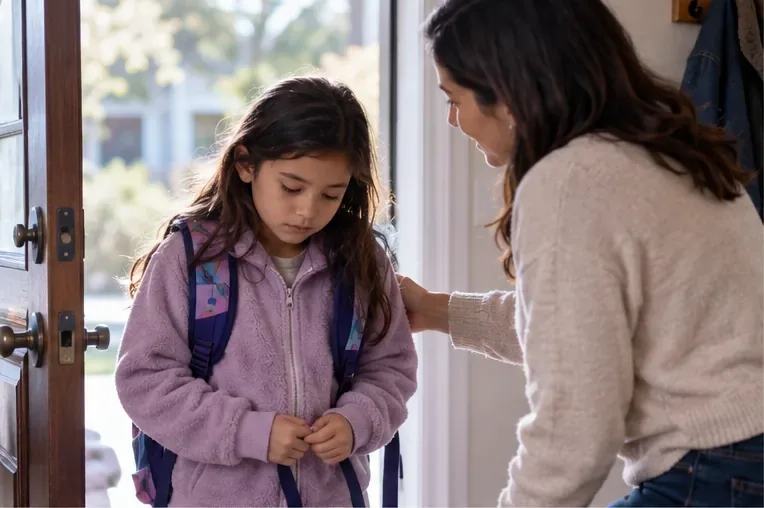
Learn how to respond when a child feels unwanted, ask supportive questions, recognize bullying or ongoing distress, and know when to seek extra help.
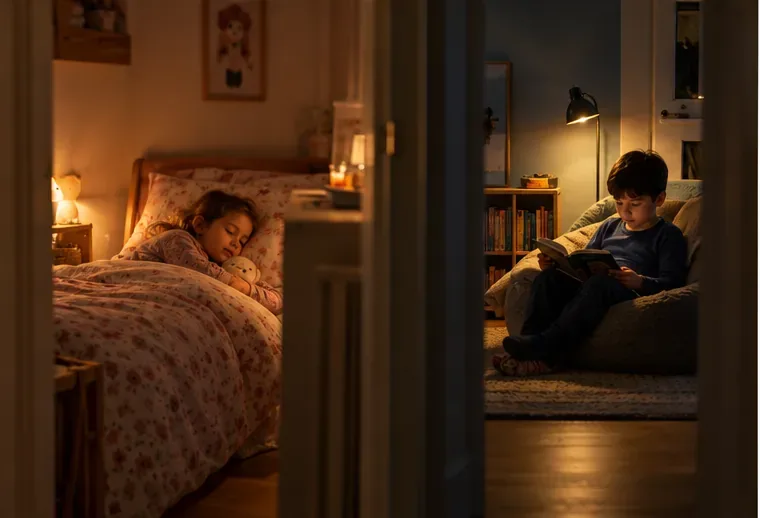
Learn how to set up a shared bedroom for siblings with different bedtimes, from planning around age-based sleep needs to creating separate sleep spaces and quiet routines.
Compare full-day, gradual, and temporary at-home return plans, plus health checks and school supports that can help a child reenter safely.
Learn when a child can try to solve a friendship problem, when adults should step in, and how to tell whether support is helping or needs to change.