How to Teach Chores Without Redoing Every Task for Your Child
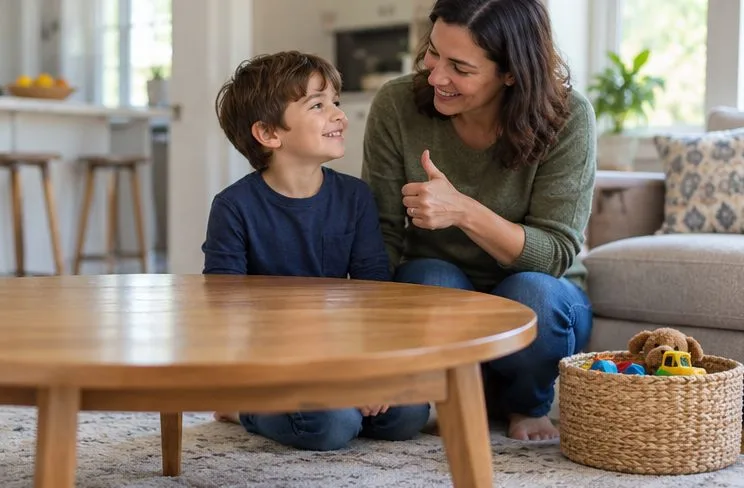
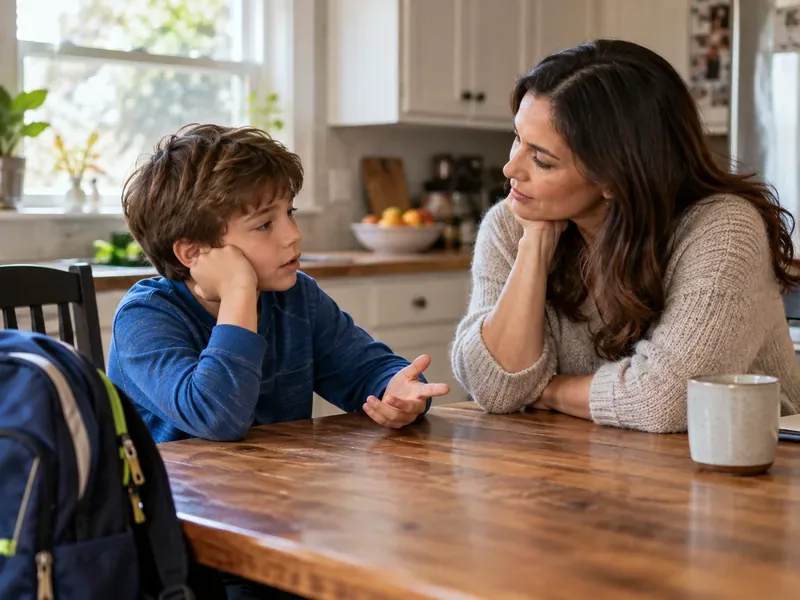
Teach kids to do chores with fewer reminders: set a clear finish line, model one task, step back, and correct only what is unsafe or unfinished.

Flatulence is a gastrointestinal illness and often occurs in children. This situation often makes many children uncomfortable, affecting their health. So, how should we treat flatulence in children?
When the baby shows signs of flatulence, many parents wonder about the treatment. The following article will help parents solve questions surrounding gas in children.
When your baby burps, it reduces the amount of gas in the stomach so that they don't pass through the intestines. However, belching is not 100% effective at removing gas, as it has no effect on gas produced in the intestine from normal digestion. There are many treatments to reduce gas, such as abdominal massaging. Abdominal rubbing has been shown to be effective in helping the baby release breath.
Just using gentle pressure on your abdomen can soothe and help your baby burp. You could also try placing the baby on his or her face down on the forearm with the elbow feet and chin in the hand. The pressure placed on the abdomen helps to soothe and release air in the baby. If this doesn't work, some of the following methods might help. Of course, you should consult with your pediatrician before giving any medications or supplements to your child.
Simethicone is basically an anti-foaming agent, which helps to combine air bubbles in the stomach together in order to push air out more easily. However, if the larger air bubbles are not released quickly enough, they go down the lower digestive tract. Here, large clusters of air bubbles cause more pain and bloating.
Simethicone has no effects on the intestinal tract and can also cause abdominal pain. Since simethicone works by incorporating air bubbles, it must be in a place with gas to function. Therefore, simethonone is not an urgent one-time medication, but must be taken regularly with every meal. If the cause of the gas is not ingested, simethicone will have no effect after the gas begins to appear. Also, simethicone will only act with gas near the top of the stomach and has no effect on the intestinal tract.
Another drug is sodium bicarbonate, also known as baking soda (salt medicine). Sodium bicarbonate is an alkaline substance that counteracts the pH of stomach acids, produced naturally in children's stomachs. It may temporarily alleviate the discomfort caused by hyperacidity. However, sodium bicarbonate is absorbed into the bloodstream and there may be undesirable side effects.
For this reason, children under 5 years of age should not use sodium bicarbonate. Even an adult should not use it for more than 2 weeks or repeated. According to some doctors, sodium bicarbonate can cause an electrolyte imbalance in babies, which can lead to serious problems.
Parents need to consult their doctor clearly about the side effects of essential oils before you decide to use it on your newborn baby at home, even in very small concentrations.
Homeopathic formulations can be an excellent choice for treating neonatal gas symptoms. Most homeopathic medicines do not contain allergens and have no side effects. On the market today, homeopathic drugs usually exist in liquid form. This is a very effective medicine for the treatment of gas, bloating and cramps in babies.
The baby's intestinal tract is still weak, so gas often occurs. Parents can refer to the above information to cure flatulence for children!
Teach kids to do chores with fewer reminders: set a clear finish line, model one task, step back, and correct only what is unsafe or unfinished.
Learn why toilet-trained children may start having pee or poop accidents again, what patterns to track, how to respond calmly, and when to call the pediatrician.
A child may repeat a reassurance question to process information, seek connection, or manage worry. Learn how to respond and when persistent anxiety needs support.
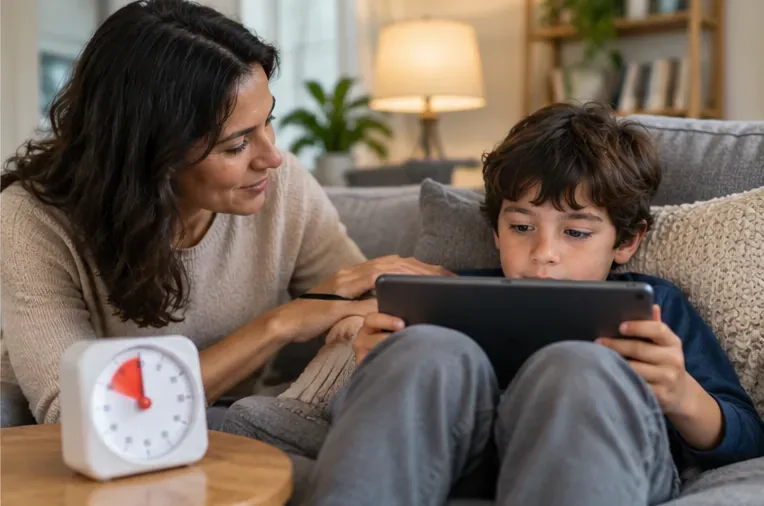
Learn how to set screen-time boundaries with predictable routines, warnings, calm follow-through, and better transitions—without turning every device handoff into a fight.
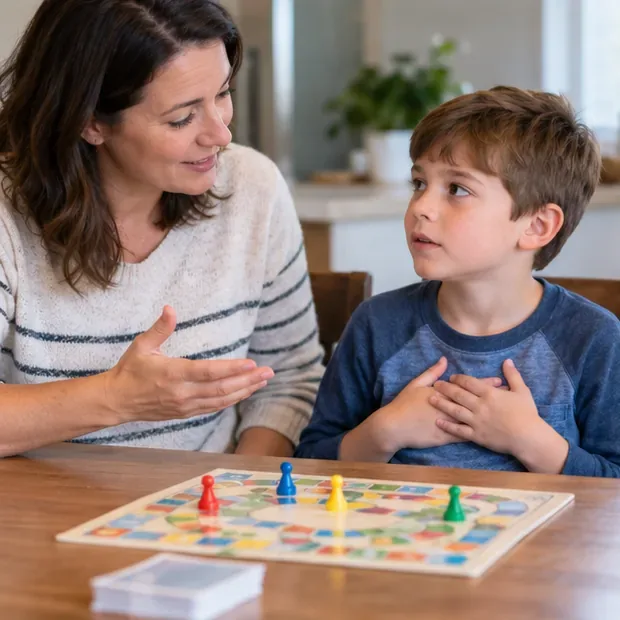
Teach children to handle losing without shame or explosive anger by validating feelings, setting behavior limits, modeling recovery, and practicing at the right difficulty.
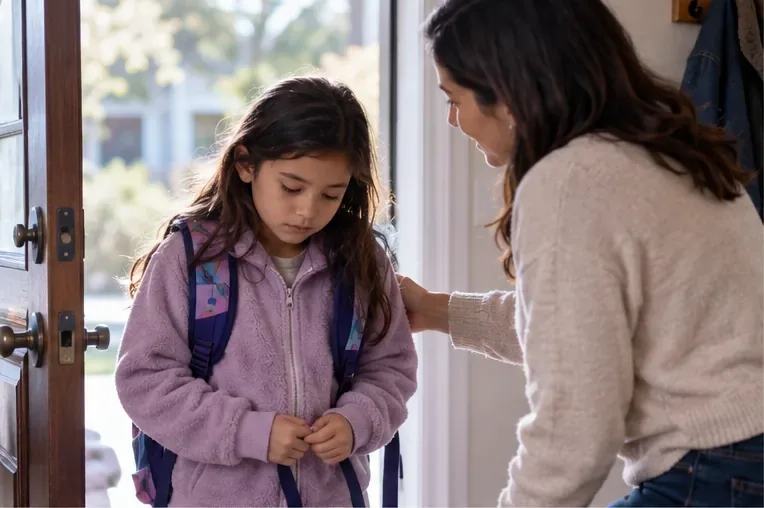
A calm, practical plan for after-school meltdowns: reduce overload, keep limits clear, track patterns, coordinate with school, and know when to seek help.
Learn how to respond when a child feels unwanted, ask supportive questions, recognize bullying or ongoing distress, and know when to seek extra help.
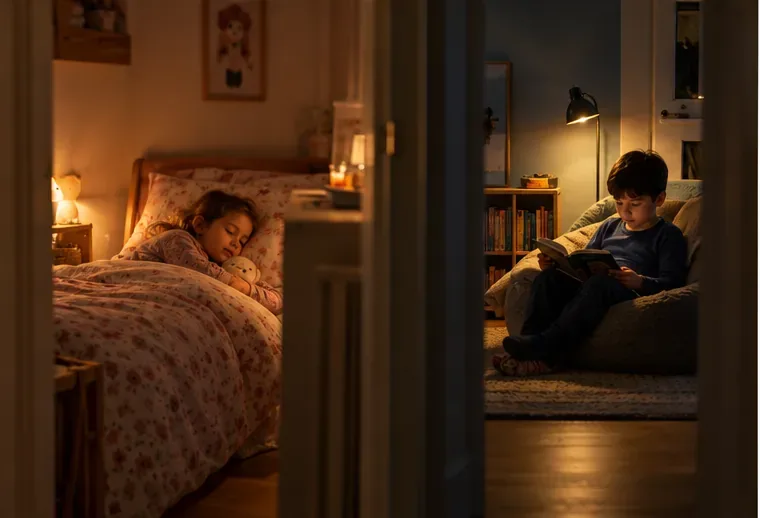
Learn how to set up a shared bedroom for siblings with different bedtimes, from planning around age-based sleep needs to creating separate sleep spaces and quiet routines.
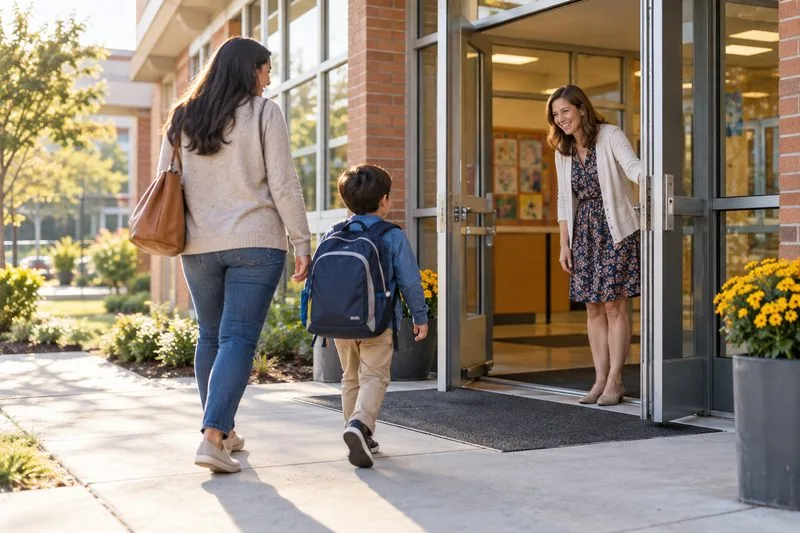
Compare full-day, gradual, and temporary at-home return plans, plus health checks and school supports that can help a child reenter safely.
Learn when a child can try to solve a friendship problem, when adults should step in, and how to tell whether support is helping or needs to change.