How to Teach Chores Without Redoing Every Task for Your Child

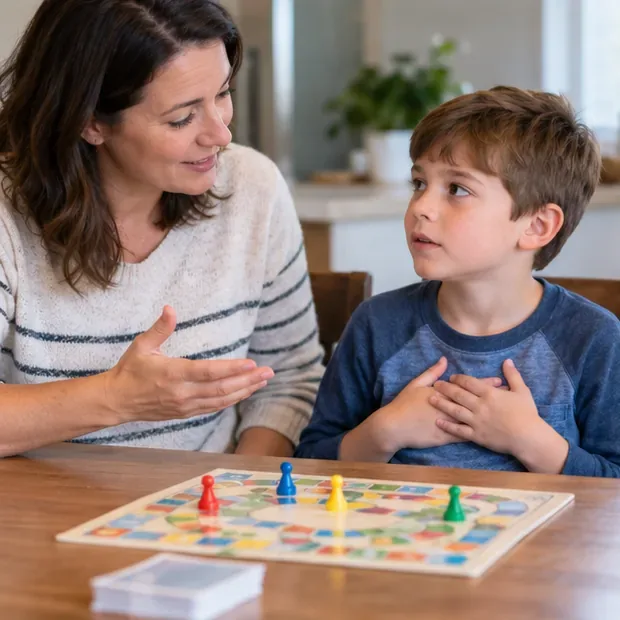
Teach kids to do chores with fewer reminders: set a clear finish line, model one task, step back, and correct only what is unsafe or unfinished.

You can reduce your risk by getting Japanese encephalitis vaccination and taking precautions to avoid mosquito bites in high-risk areas.
Japanese encephalitis is rare, but if acquired, it is very dangerous to health. Therefore, understanding how to prevent it is also a useful way to protect the health of you and your family. Please refer to the following article for more details on how to prevent Japanese encephalitis!
Anyone of any age should get a Japanese encephalitis vaccine, especially those who regularly work in remote locations and tourists. Immunization is especially important if:
You travel to a place with high risk of infection during the rainy season;
You return to your hometown in a rural area with rice fields, swamps, or near a pig breeding area;
You are going to go into the woods or camp where there are many mosquitoes;
You work in a laboratory that has been exposed to the virus.
If you have to go to a country where Japan is experiencing outbreaks of encephalitis, see your doctor at least 6–8 weeks before you go to see if you should get the vaccine.
To be fully protected, you must be vaccinated 2 times in full, the second shot 28 days after the first. People between the ages of 18 and 65 need a booster schedule where the second dose is given 7 days after the first. You must complete both injections at least 7 days before being exposed to the Japanese encephalitis virus.
The cost of the Japanese encephalitis vaccine may vary across clinics. Each dose of medicine costs about 2.6 million VND / person, so you should include this into your budget for the trip. If you continue to be at risk for infection, the additional vaccine should be given 12 to 24 months after the first injection.
Up to 40% of people have mild and short-lasting side effects with the Japanese encephalitis vaccine, such as:
Hurt;
Redness or swelling at the injection site;
Headache;
Muscle pain.
More serious side effects such as rash, itching (hives or hives), swelling of the face, and difficulty breathing are very rare.
If you have any symptoms of concern after getting vaccinated, contact your doctor as soon as possible or call 115 for advice.
The Japanese encephalitis vaccine is relatively safe, but you should tell your doctor or nurse if you have a high fever, are pregnant or breast-feeding.
Babies younger than 2 months of age should also not be vaccinated against the Japanese encephalitis vaccine as its safety and effectiveness are not yet known for this age group. Also, you should not get the vaccine if you have ever had a severe allergic reaction (anaphylaxis) to any of the vaccine ingredients in the past.
Since the Japanese encephalitis vaccine is not 100% effective, protect yourself against mosquito bites while you are traveling or in areas at risk by:
Lock windows and doors tightly when you sleep in your room;
If you sleep outdoors while camping, use a mosquito net soaked in the mosquito repellent permethrin;
Spray mosquito repellent in the evening because mosquitoes carrying Japanese encephalitis virus are most active at this time;
Wear pants, dresses and socks;
Wear loose clothing as mosquitoes can bite through tight clothing;
Apply mosquito repellent.
You can purchase insect repellants at pharmacies. Many types contain diethyltoluamide (DEET) (short for compound N, N - Diethyl - meta- toluamide, commonly used in anti / insect repellant products, mosquitoes ...). However, if you are allergic to DEET, use one that contains dimethyl phthalate or eucalyptus oil.
When using insect repellents, you need to keep in mind the following:
Do not use on cuts, open wounds or irritated skin areas;
Do not apply to eyes, mouth and ears;
Do not spray directly on the face, but spray on hands before applying to the face;
Do not let children use it by themselves but parents should apply it to the baby;
Apply after sunscreen layer;
Wash hands thoroughly after use;
Always follow the manufacturer's instructions.
If you or your baby has a strange reaction to the insect repellant (red skin) then stop using it immediately. Clean the sting area and contact your doctor or local health professional if you are abroad.
Hope the article has provided you with lots of useful information in Japanese encephalitis vaccination.
Teach kids to do chores with fewer reminders: set a clear finish line, model one task, step back, and correct only what is unsafe or unfinished.
Learn why toilet-trained children may start having pee or poop accidents again, what patterns to track, how to respond calmly, and when to call the pediatrician.
A child may repeat a reassurance question to process information, seek connection, or manage worry. Learn how to respond and when persistent anxiety needs support.
Learn how to set screen-time boundaries with predictable routines, warnings, calm follow-through, and better transitions—without turning every device handoff into a fight.
Teach children to handle losing without shame or explosive anger by validating feelings, setting behavior limits, modeling recovery, and practicing at the right difficulty.
A calm, practical plan for after-school meltdowns: reduce overload, keep limits clear, track patterns, coordinate with school, and know when to seek help.
Learn how to respond when a child feels unwanted, ask supportive questions, recognize bullying or ongoing distress, and know when to seek extra help.
Learn how to set up a shared bedroom for siblings with different bedtimes, from planning around age-based sleep needs to creating separate sleep spaces and quiet routines.
Compare full-day, gradual, and temporary at-home return plans, plus health checks and school supports that can help a child reenter safely.
Learn when a child can try to solve a friendship problem, when adults should step in, and how to tell whether support is helping or needs to change.