How to Teach Chores Without Redoing Every Task for Your Child

Teach kids to do chores with fewer reminders: set a clear finish line, model one task, step back, and correct only what is unsafe or unfinished.
Infant eczema is a common disease. This is not a dangerous disease but makes the baby uncomfortable.
Atopic eczema , also known as atopic dermatitis, is a skin rash that usually occurs before the baby is 5 years old. Newborn eczema tends to develop on the cheeks and scalp, and then spread to the arms, legs, chest or other parts. After the baby is one year old, the eczema can float on the inside of the elbows, knees, wrists, ankles ...
About 20% of children get eczema. For newborn babies, the incidence is 65% and for babies under 5 years old it is 90%. The eczema marks usually look like dry, thick, scaly skin or tiny red spots that then grow.
Sometimes babies scratch the eczema, causing the skin to thicken, darken or become scarred over time. Eczema usually comes on and goes away on its own within a few days. This is not contagious, but it is often itchy and uncomfortable. If left untreated, these eczema can leave scarring and be unsightly.
Doctors diagnose eczema by examining your baby's skin. Therefore, if your baby has symptoms of eczema, you should take him to a dermatologist for examination and treatment. There is no way to know when a baby will get sick, but the likelihood of it will decrease as the baby grows. Many babies often get the disease when they are 2 years old and also have a baby when it is a little older to start.
Currently, the cause of eczema is not known, but it is usually hereditary. Therefore, if you have a parent or relative who has had eczema, your baby also has a higher risk of developing it.
Eczema is not an allergic reaction to certain substances. However, pollen or tobacco smoke can cause eczema to develop.
Sometimes the eczema is caused by an allergic reaction to food or ingredients in breast milk. The eczema gets worse when the skin is exposed to irritants such as wool or chemicals in certain soaps, perfumes, lotions, and detergents. In addition, stress is also one of the causes of this disease.
In addition to treating baby eczema, you need to take care of your baby's skin and avoid irritants that can help support the treatment and prevent it from getting worse.
Proper daily bathing will contribute to the treatment of neonatal eczema. In addition, you should not use hot water to bathe your baby as this will dry the baby's skin faster. One thing to note is that you should use soap to bathe and wash your baby's hair, but avoid letting your baby sit in soapy water.
As soon as the shower is finished, you should gently wipe off any remaining water droplets with a soft cloth. While the skin is still damp, apply a generous amount of moisturizer or emollient to your baby's skin. Ointments contain emollients and are less watery than lotions, so they are usually better for babies with eczema. It is a good idea to try a little moisturizer and emollient on your baby's skin first to make sure they are not irritating.
You should choose for your baby clothes made of cotton fabrics that absorb sweat well, avoid them wearing clothes made of wool or materials that cause skin irritation. In particular, babies should not wear a lot of clothes in hot weather.
To better care for babies with eczema, if you are breastfeeding, avoid foods that can cause allergies such as milk, eggs, peanuts, tree nuts, wheat, fish, snails, beans. soy ...
Use mild, fragrance-free soaps or products for sensitive skin to wash your baby's clothes and bedding. In addition, you should not use fabric softeners either.
Your baby may scratch the eczema or the itchy area while sleeping. While scratching and rubbing can ease the itchiness, it can make the itchy rashes worse. When your baby can't stand the itch and scratches often, let them use cotton gloves or socks. If your baby cannot sleep because of itching, consult your doctor. At this point, the doctor will prescribe medicine to help the baby sleep more easily.
When the itch develops, apply a bottle of cold water to the affected area several times a day, then apply moisturizer.

Sudden changes in temperature will make the eczema worse. So, you should pay attention to your baby to wear clothes suitable for the weather.
If your eczema is triggered by environmental factors like seasonal allergies, it's best to talk to your doctor about how to deal with it.
Keep your baby away from cigarette smoke.
Don't let your baby get stressed.
Eczema is not a specific allergic reaction. However, in some babies, allergenic foods such as cow's milk , eggs, soy milk, wheat, and peanuts can make the disease worse. So it's best to get these foods out of your baby's diet.
If your baby drinks formula, try to change to another milk except soy milk . For mothers who often eat margarine, vegetable oils and citrus fruits in the last 4 weeks of pregnancy, they will usually have a baby with eczema when they are 2 years old.
In addition, mothers should supplement foods containing beneficial microorganisms during pregnancy, as this will help prevent the development of eczema in children. These beneficial microorganisms also reduce the severity of the disease. Since food accounts for only 10% of the cause of eczema, mothers should also pay attention to skin care and other factors.
First, find out the cause of your baby's illness. If your child goes to kindergarten, tell the teacher about your child's condition.
If your baby's eczema does not go away, take him to see a pediatric dermatologist for examination and treatment. At this point, the doctor may recommend topical steroids.
If this medication is ineffective, your doctor will prescribe a stronger steroid. If your baby still does not get better or shows signs of fever, infection such as bleeding, or yellow pus, see your doctor immediately.
With the above sharing, you must have gained some useful experiences in the treatment of eczema. So, don't worry too much when your baby has this disease!
Teach kids to do chores with fewer reminders: set a clear finish line, model one task, step back, and correct only what is unsafe or unfinished.
Learn why toilet-trained children may start having pee or poop accidents again, what patterns to track, how to respond calmly, and when to call the pediatrician.
A child may repeat a reassurance question to process information, seek connection, or manage worry. Learn how to respond and when persistent anxiety needs support.
Learn how to set screen-time boundaries with predictable routines, warnings, calm follow-through, and better transitions—without turning every device handoff into a fight.
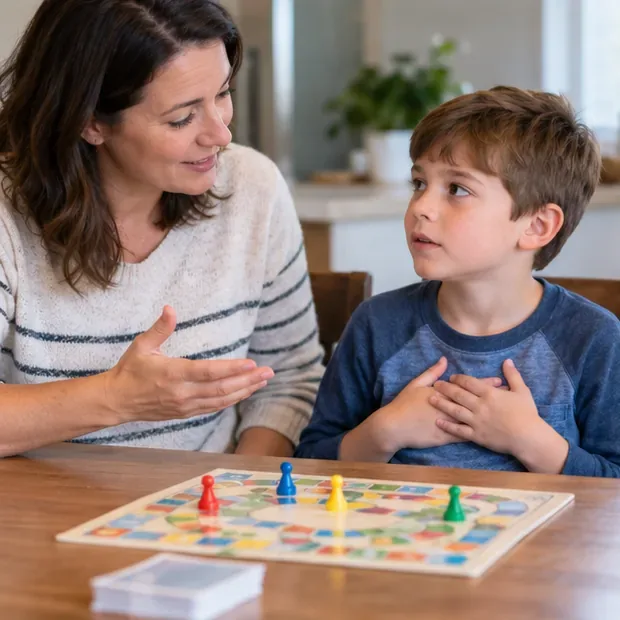
Teach children to handle losing without shame or explosive anger by validating feelings, setting behavior limits, modeling recovery, and practicing at the right difficulty.
A calm, practical plan for after-school meltdowns: reduce overload, keep limits clear, track patterns, coordinate with school, and know when to seek help.
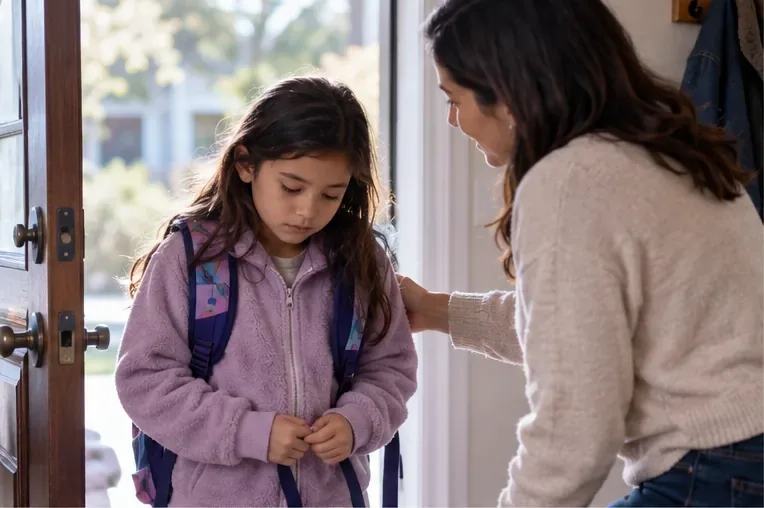
Learn how to respond when a child feels unwanted, ask supportive questions, recognize bullying or ongoing distress, and know when to seek extra help.
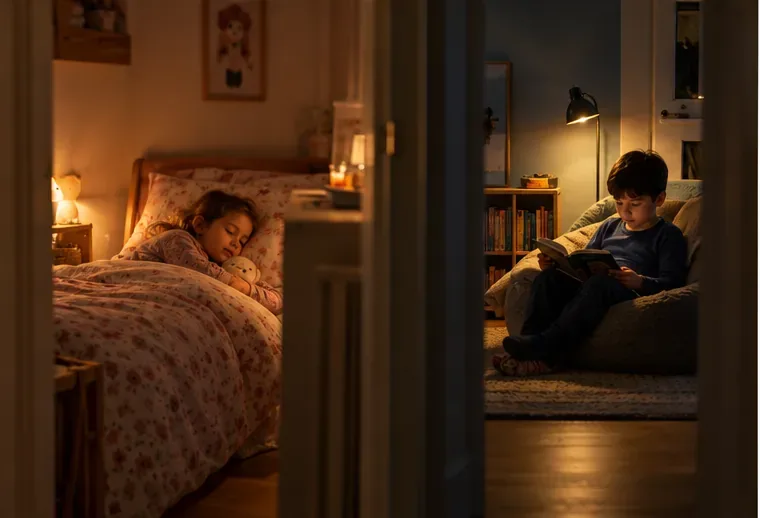
Learn how to set up a shared bedroom for siblings with different bedtimes, from planning around age-based sleep needs to creating separate sleep spaces and quiet routines.
Compare full-day, gradual, and temporary at-home return plans, plus health checks and school supports that can help a child reenter safely.
Learn when a child can try to solve a friendship problem, when adults should step in, and how to tell whether support is helping or needs to change.