How to Teach Chores Without Redoing Every Task for Your Child

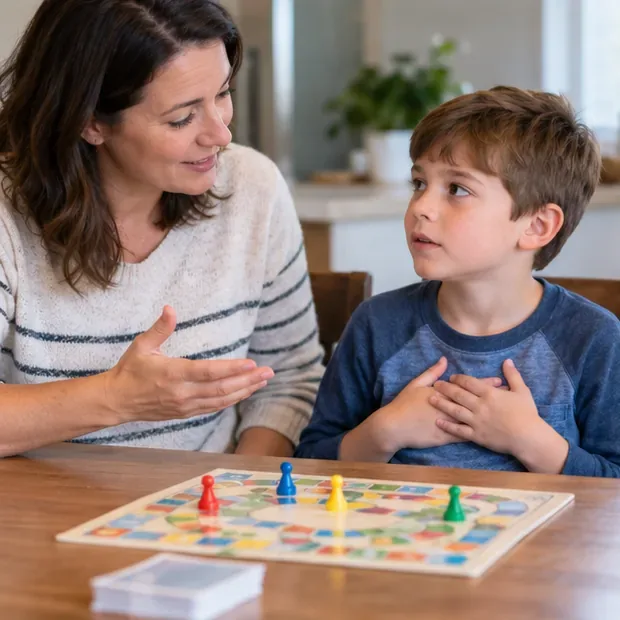
Teach kids to do chores with fewer reminders: set a clear finish line, model one task, step back, and correct only what is unsafe or unfinished.

When changing diapers, parents often want to quickly remove stools and urine without forgetting that urine and stools are the best suggestion for their child's health.
Checking your baby's feces and urine is not so terrible if parents know that they are the best clue to correctly understand the health status in general as well as the diet in particular. The following article will help parents learn about baby's health information through urine and feces testing method.
Infants can urinate and poop several times a day. A newborn's stools are usually dark green (called chayote). This is completely normal due to the excretion of waste products from the womb.
If your baby's diaper gets wet several times a day, this is a good sign and you don't need to worry. But more and more, the frequency of urination and defecation of the child will be less and only happen from 6-8 times / day.
Every time your baby pee, parents need to check the flow or color of urine on the diaper. This will tell you a lot about your baby's health. Light pink or orange urine is a completely normal sign that parents should not worry. This may be due to a reaction with chemicals in baby diapers.
If your baby's urine is darker, it could be a sign of dehydration or feeding less. If your baby's urine is brown or red or has blood in it, you need to see a doctor right away to have it checked.
There are many factors that determine a child's stool is normal when parents observe how a baby's stools look, smell and how long it takes for a baby to defecate.
Some babies defecate a lot and others do not often. It is normal to have poop about three times a week. It is common for babies to poop as soon as or a few minutes after eating. This is called a gastric reflex. After a few weeks have passed, your baby's body has some changes in:
Frequency of going;
The color of the stool;
Stool pastiness;
The smell of feces.
During breastfeeding, the baby's feces are loose, mustard-like in color, often orange-yellow but sometimes green. This form of stool appears in a newborn during the first few months. The smell of feces is not unpleasant and is affected by the baby's food.
In the next stage when using formula , the baby's stools are thicker than before, and can be of different colors such as yellowish gray, greenish gray or light brown.
When your baby starts to eat solids , the stools will become harder and smelly. Your baby's feces may also look like undecomposed solids because their digestive system is still developing, so this is perfectly normal.
A sign of constipation is hard, dry, pelleted stools. When the baby is constipated, he has a hard time defecating It can take a lot of effort for the baby to squeeze the stool, even bleed. At that time, parents need to contact the doctor for treatment. Constipation usually occurs in bottle-fed babies . The reason may be that the baby is drinking formula with insufficient amount of water.
Diarrhea is a condition of loose stools like water that occurs with more frequency than usual. If your baby has diarrhea along with vomiting, he may have intestinal infection. In this case, you need to take your baby to the doctor right away to prevent too much dehydration.
If your baby has pale stools such as white, gray or pale yellow, he may have a rare liver disease. You need to take your baby for a blood test to make sure his or her health is not serious problems. Taking a picture or even taking a sample of the child's stool for the doctor to check is essential for parents.
By checking the feces or urine, it is easier for parents to know the health status of their child. Hopefully with the above suggestions, your baby will get a reasonable nutrition to grow well!
Teach kids to do chores with fewer reminders: set a clear finish line, model one task, step back, and correct only what is unsafe or unfinished.
Learn why toilet-trained children may start having pee or poop accidents again, what patterns to track, how to respond calmly, and when to call the pediatrician.
A child may repeat a reassurance question to process information, seek connection, or manage worry. Learn how to respond and when persistent anxiety needs support.
Learn how to set screen-time boundaries with predictable routines, warnings, calm follow-through, and better transitions—without turning every device handoff into a fight.
Teach children to handle losing without shame or explosive anger by validating feelings, setting behavior limits, modeling recovery, and practicing at the right difficulty.
A calm, practical plan for after-school meltdowns: reduce overload, keep limits clear, track patterns, coordinate with school, and know when to seek help.
Learn how to respond when a child feels unwanted, ask supportive questions, recognize bullying or ongoing distress, and know when to seek extra help.
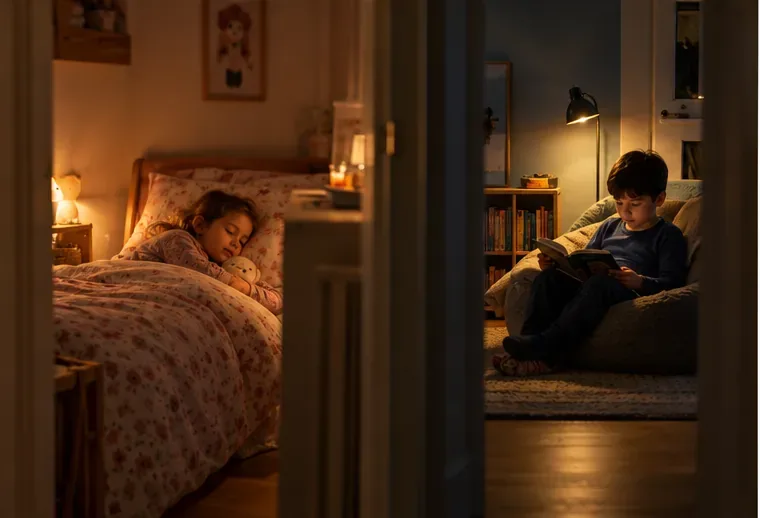
Learn how to set up a shared bedroom for siblings with different bedtimes, from planning around age-based sleep needs to creating separate sleep spaces and quiet routines.
Compare full-day, gradual, and temporary at-home return plans, plus health checks and school supports that can help a child reenter safely.
Learn when a child can try to solve a friendship problem, when adults should step in, and how to tell whether support is helping or needs to change.