How to Teach Chores Without Redoing Every Task for Your Child

Teach kids to do chores with fewer reminders: set a clear finish line, model one task, step back, and correct only what is unsafe or unfinished.

Swimming is a good sport for your baby's health, but it also has many dangers. To avoid unfortunate accidents, parents need to pay attention to a phenomenon that is not common but can occur anywhere, which is drowning on land.
When you let your baby go swimming, you always pay attention to him. Make sure the lifeguard is there and will not let the baby drown. However, sometimes mistakes cannot be avoided. Not all parents know that when drowning, even though the baby has been saved, there are still many potential dangers at stake.
Drowning is an overflow of water into the respiratory tract, making it difficult to breathe. This usually occurs while swimming or bathing, but sometimes occurs when drinking water. Not all drowning results in death. If the victim receives proper first aid, it is entirely possible to survive.
Drowning on land and secondary drowning are rare forms of drowning but are fairly common in children, accounting for only 1–2% of drowning cases. Land drowning occurs when a baby is submerged in water and inhaled in a quantity of water. It is this amount of water that will go into the respiratory tract, causing the airways to contract and close. Secondary drowning is when water enters the lungs and accumulates, causing pulmonary edema. Therefore, the baby will show signs of difficulty breathing immediately or appear a few days later.
A cough;
Chest tightness;
Shortness of breath;
Feeling extremely tired;
Your baby's behavior changes.
If your baby has breathing problems after drowning, see a doctor. Although in many cases the symptoms go away on their own, it's best to see your baby go to the doctor. Any breathing problem can be treated, if your baby is examined right away. Therefore, you should watch your baby closely for 24 hours after drowning. If symptoms do not go away or get worse, take your baby to hospital right away. Your baby needs X-rays to let the doctor know about your baby's condition. If hospitalized, your baby will receive care and support. The doctors will check the baby's airways and monitor the oxygen level. If your baby has severe difficulty breathing, it may be necessary to use a breathing tube for a while.
The most important thing is to take precautions so that your child does not drown:
• Always watch closely when baby swims;
• Swimming is allowed only in areas where lifeguards are available;
• Never let baby swim alone;
• Never leave baby alone near water, even in your home. If your home has a swimming pool, make sure it has a fence. Don't be too distracted, even if you know the water isn't deep.
• Register your child for drowning prevention classes.
Apart from swimming pools, with small children, drowning can happen in any case such as ponds, bathtubs, plastic baskets ... Drowning on land and secondary drowning is not common but always is a danger lurking in the little ones. Pay attention to children, do not let this bad situation happen.
Teach kids to do chores with fewer reminders: set a clear finish line, model one task, step back, and correct only what is unsafe or unfinished.
Learn why toilet-trained children may start having pee or poop accidents again, what patterns to track, how to respond calmly, and when to call the pediatrician.
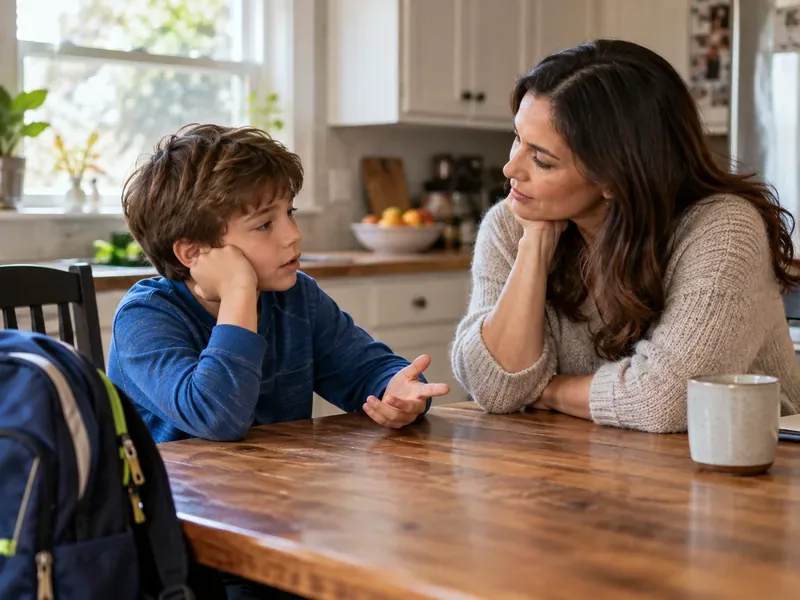
A child may repeat a reassurance question to process information, seek connection, or manage worry. Learn how to respond and when persistent anxiety needs support.
Learn how to set screen-time boundaries with predictable routines, warnings, calm follow-through, and better transitions—without turning every device handoff into a fight.
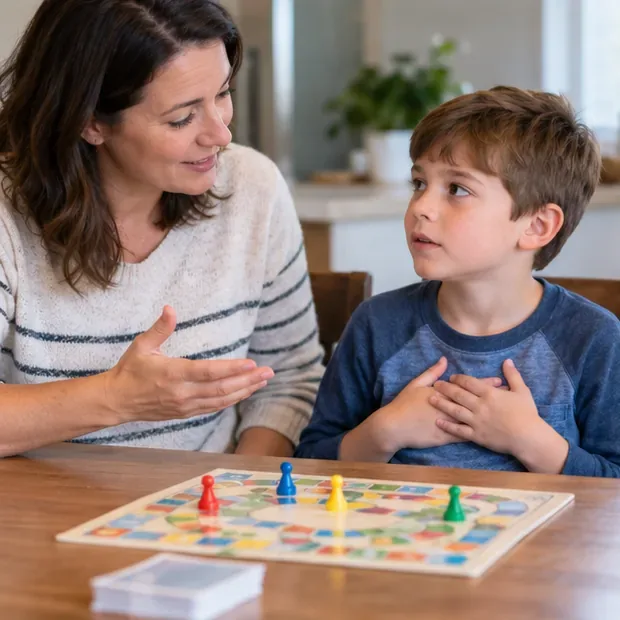
Teach children to handle losing without shame or explosive anger by validating feelings, setting behavior limits, modeling recovery, and practicing at the right difficulty.
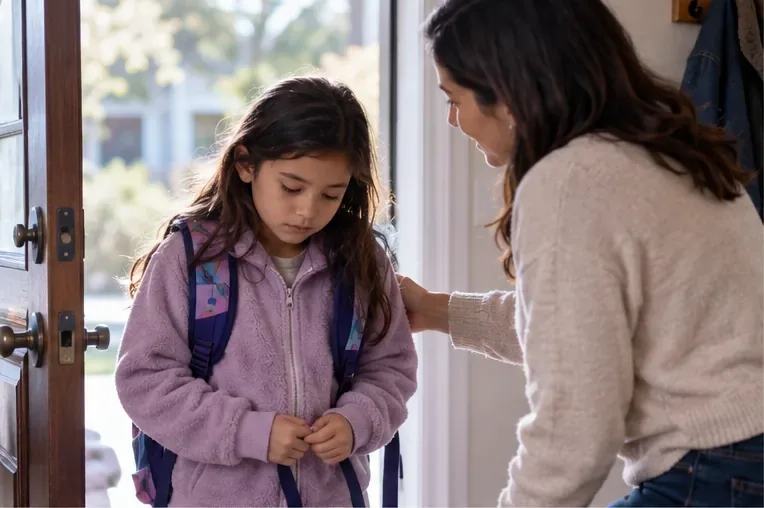
A calm, practical plan for after-school meltdowns: reduce overload, keep limits clear, track patterns, coordinate with school, and know when to seek help.
Learn how to respond when a child feels unwanted, ask supportive questions, recognize bullying or ongoing distress, and know when to seek extra help.
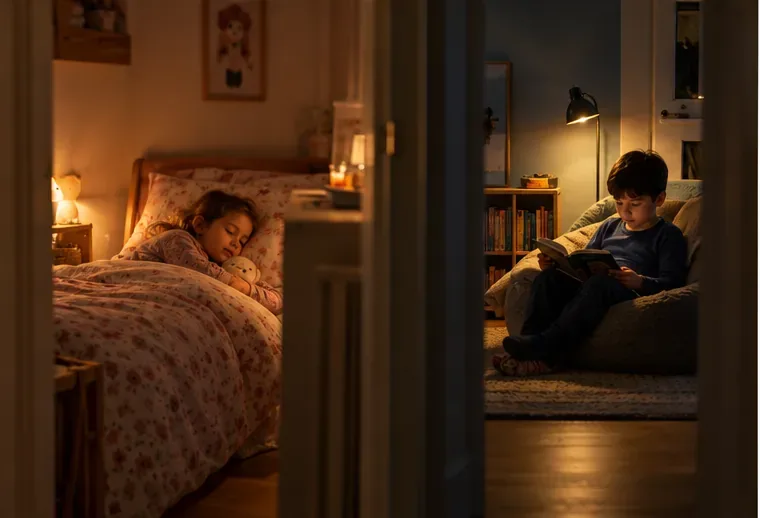
Learn how to set up a shared bedroom for siblings with different bedtimes, from planning around age-based sleep needs to creating separate sleep spaces and quiet routines.
Compare full-day, gradual, and temporary at-home return plans, plus health checks and school supports that can help a child reenter safely.
Learn when a child can try to solve a friendship problem, when adults should step in, and how to tell whether support is helping or needs to change.