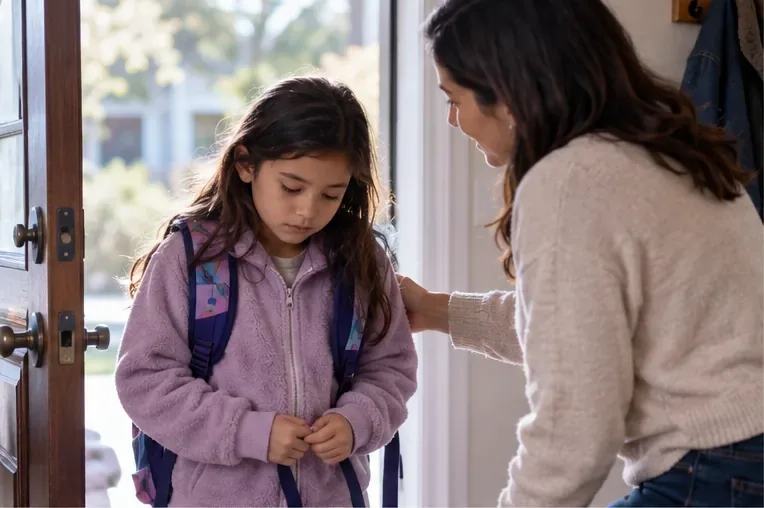
How to Teach Chores Without Redoing Every Task for Your Child

Teach kids to do chores with fewer reminders: set a clear finish line, model one task, step back, and correct only what is unsafe or unfinished.
Do you know the health benefits of omega 3, especially the development of children? Let aFamilyToday Health learn about this issue.
Omega-3s can prevent and support the treatment of heart disease, depression, rheumatism, attention deficit hyperactivity syndrome (ADHD), skin problems, dementia, dyslexia, asthma, and obesity. Obesity ... Thereby, you can see how important omega-3 is to health, including children. This is an important fat that the body needs. However, it cannot be produced on its own and depends heavily on the child's diet.
Omega-3 is a type of polyunsaturated fatty acids (PUFAs), which are precursors of eicosapentaenoic acid (EPA) and docosahexaenoic acid (DHA). These two fats are essential for children's brain growth and development. DHA and EPA are commonly found in fish oils such as mackerel, tuna, and some other seafood.
In this group there is also the prefix DHA, alpha-linolenic fatty acid (ALA) found in vegetable oils such as flaxseed oil, soybean oil ... People who do not eat fish will not have DHA and EPA. However, DHA and EPA can be synthesized in the body through ALA.
Regularly feed your baby foods high in omega-3 to make sure they get enough of these fatty acids. A lack of omega-3 can lead to a weakened immune system, problematic skin and susceptibility to disease. In addition, omega-3 also helps strengthen memory, development of thinking and maintain high concentration for the baby.
Omega-3s are an essential part of the structure of a cell. When absorbed, this fat will be accumulated in cell tissue to help the organs of the body grow.
Omega-6 and omega-3 are an important component of cell membranes. They function for energy generation and function like bio-lipid mediators. However, omega-3 will compete with omega-6. This means that omega-6 suppresses the immune system, while omega-3 strengthens the immune system.

Omega-3 is essential for your baby's health, helping to solve skin problems, heart problems, and joint pain ... Here are some of the benefits of omega-3:
These fatty acids increase the concentration of good cholesterol, lower triglycerides and fats in the blood. People who take fish oil every day have more good cholesterol than bad cholesterol.
Omega-3s support children's brain development. Children who are provided with enough omega-3 will have skills to coordinate hands and eyes; social skills; concentration and higher IQ.
Help improve eyesight, protect eyes.
Help increase memory, develop thinking, help children learn better.
There is no evidence that omega-3s help treat depression. However, people who eat more foods rich in omega-3 during the treatment of depression experience better performance.
Helps increase concentration.
Some studies show that omega-3 supplements may alleviate symptoms of attention deficit hyperactivity disorder (ADHD).
People with bipolar disorder taking omega-3 along with prescription medications typically have less mood swings and are less likely to recur than those who don't take extra omega-3s.
Helps reduce the symptoms of schizophrenia.
Omega-3s are very helpful in enhancing memory. This fatty acid is most often concentrated in the brain.
People who are allergic to sunlight will withstand sunlight for a certain time after taking fish oil for a while. Besides, fish oil is also very useful for people with psoriasis.
Omega-3s are very good for the body, so you should feed your baby a lot of these fatty acid-rich foods to ensure their healthy development.
Fish oil is integrated from the tissues of oily fish such as tuna, sardines, herring, salmon, salmon, and mackerel ... Oil is usually stored in the abdominal cavity, just below the gut and is rich in omega-3. .
Fish oil is rich in omega-3, beneficial for children. You can give your child foods rich in omega-3 such as fish (salmon, tuna, mackerel, herring ...), shrimp, oysters, flaxseed, walnuts, chia seeds, soybeans, beef, functional foods. However, before adding omega-3 to your baby, you should consult your doctor.
Lack of omega-3 can cause children to have weak resistance and mental retardation. However, too much omega-3 may affect your ability to fight other pathogenic bacteria. The appropriate amount of omega-3 for your baby is as follows:

Besides providing enough omega-3, you should also pay attention to supplementing other nutrients for your baby. However, do not give your child too much omega-3 as this can cause nausea, diarrhea, and even bleeding. If this is the case, take your child to the hospital to be examined immediately.
Teach kids to do chores with fewer reminders: set a clear finish line, model one task, step back, and correct only what is unsafe or unfinished.
Learn why toilet-trained children may start having pee or poop accidents again, what patterns to track, how to respond calmly, and when to call the pediatrician.
A child may repeat a reassurance question to process information, seek connection, or manage worry. Learn how to respond and when persistent anxiety needs support.
Learn how to set screen-time boundaries with predictable routines, warnings, calm follow-through, and better transitions—without turning every device handoff into a fight.
Teach children to handle losing without shame or explosive anger by validating feelings, setting behavior limits, modeling recovery, and practicing at the right difficulty.
A calm, practical plan for after-school meltdowns: reduce overload, keep limits clear, track patterns, coordinate with school, and know when to seek help.
Learn how to respond when a child feels unwanted, ask supportive questions, recognize bullying or ongoing distress, and know when to seek extra help.
Learn how to set up a shared bedroom for siblings with different bedtimes, from planning around age-based sleep needs to creating separate sleep spaces and quiet routines.
Compare full-day, gradual, and temporary at-home return plans, plus health checks and school supports that can help a child reenter safely.
Learn when a child can try to solve a friendship problem, when adults should step in, and how to tell whether support is helping or needs to change.