How to Teach Chores Without Redoing Every Task for Your Child

Teach kids to do chores with fewer reminders: set a clear finish line, model one task, step back, and correct only what is unsafe or unfinished.

Gi er i climb or g o i is Zona at p e m o t b ệ nh r à t hazardous To m n ế u no e UO c go ề u p ị k ị p th er i. Ph emplacements parents c ầ n tr care e properly dd To withdraw ng á n th er Time b ệ nh and hold her m e pain ớ n that gi er i creep caused.
Shingles, also called zoster or herpes zoster, is a skin rash caused by a viral infection of the nerves under the skin. Shingles usually presents as an irritated strip of skin and blisters on one side of the chest or back, but it can occur anywhere on the body, including on the face or near the eyes. Parents can get home treatment for their children, but the treatment needs to be done properly.
First of all, parents need to prevent the baby from scratching or scratching the sores. If left unaffected, the blisters will crust over and fall off naturally without leaving a scar.
You can also use cold compresses and wet compresses if they make your baby feel better. After applying a cold compress, parents should apply a cream like calamine to help soothe baby's skin. Besides, starch or baking soda also works to dry the sores and help your baby heal faster.
To clean the skin surface, reduce dryness and soothe the skin, parents should let the baby soak the wound with clean water or burrow solution.
When treating children at home, parents need to consult a doctor about the use of creams applied directly to the baby's skin. If you have signs of infection, talk to your doctor about whether prescription antibiotic creams or ointments can be applied.
Neuropathic pain after shingles usually appears 30-60 days after the rash or the healing of the scar. For these cases, you need to give your baby pain relievers. Parents can give their baby over-the-counter pain relievers such as acetaminophen or ibuprofen to relieve pain when the shingles attack or the pain caused by the shingles.
If you are giving prescription pain relievers to your baby, talk to your doctor before taking any over-the-counter pain relievers. Some prescription pain relievers contain acetaminophen (Tylenol), so too much can harm your baby. When giving your baby any medicine, parents should also carefully read the directions on the label!
If home treatment does not relieve the pain, you should take your baby to see a specialist. Pain needs to be controlled immediately to prevent the risk of damage to the nerve causing pain lasting for months or years.
Teach kids to do chores with fewer reminders: set a clear finish line, model one task, step back, and correct only what is unsafe or unfinished.
Learn why toilet-trained children may start having pee or poop accidents again, what patterns to track, how to respond calmly, and when to call the pediatrician.
A child may repeat a reassurance question to process information, seek connection, or manage worry. Learn how to respond and when persistent anxiety needs support.
Learn how to set screen-time boundaries with predictable routines, warnings, calm follow-through, and better transitions—without turning every device handoff into a fight.
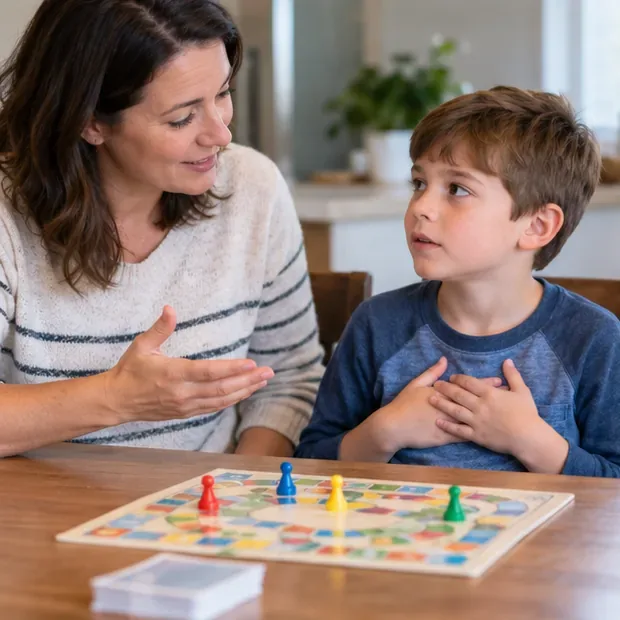
Teach children to handle losing without shame or explosive anger by validating feelings, setting behavior limits, modeling recovery, and practicing at the right difficulty.
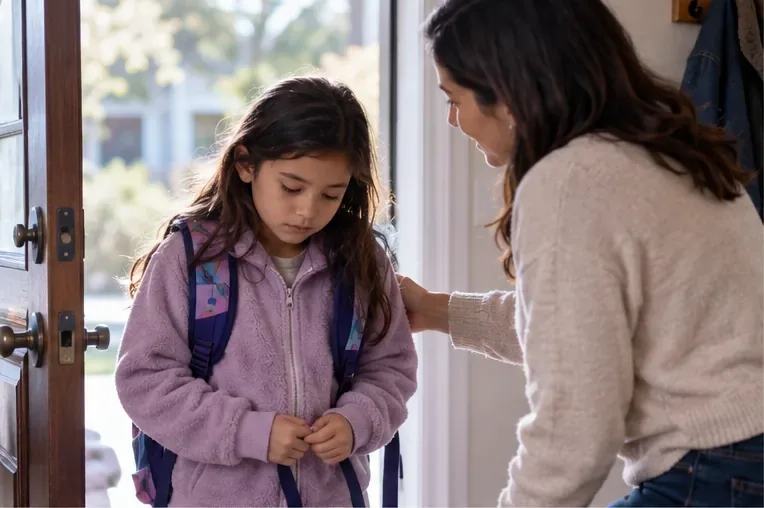
A calm, practical plan for after-school meltdowns: reduce overload, keep limits clear, track patterns, coordinate with school, and know when to seek help.
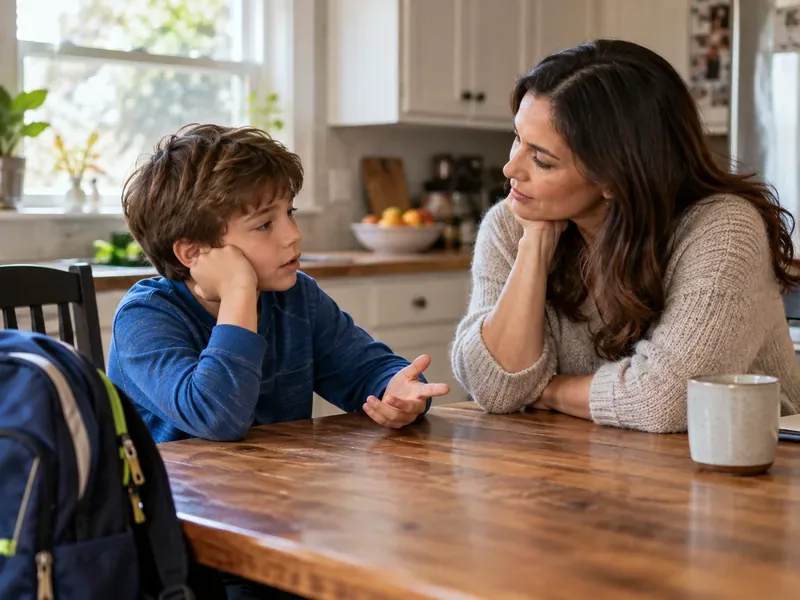
Learn how to respond when a child feels unwanted, ask supportive questions, recognize bullying or ongoing distress, and know when to seek extra help.
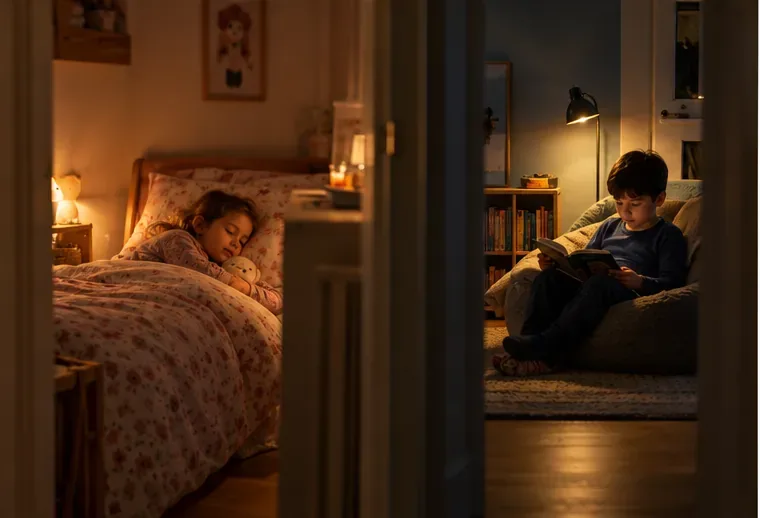
Learn how to set up a shared bedroom for siblings with different bedtimes, from planning around age-based sleep needs to creating separate sleep spaces and quiet routines.
Compare full-day, gradual, and temporary at-home return plans, plus health checks and school supports that can help a child reenter safely.
Learn when a child can try to solve a friendship problem, when adults should step in, and how to tell whether support is helping or needs to change.